AHL approves schedule unification plan for 72-game season
The AHL locked every club into 72 games, a move built to smooth travel and keep division races on the same footing.

AHL Communications said the Board of Governors approved a schedule unification plan that put every team on a 72-game slate beginning in 2022-23, turning a calendar decision into a league-wide reset. For clubs juggling NHL recalls, practice time and bus miles, the change mattered as much as the standings.
The league had come out of a 2021-22 season with uneven game totals, and the move to one format gave every organization the same baseline. That kind of shift changes more than the number on the schedule. It shapes how road trips are built, how often teams face back-to-backs, and how coaches manage rest when affiliate moves force lineups to change overnight.
For development clubs, the cleaner template can be the real edge. A fixed 72-game season gives front offices a more predictable runway for promotions and paper moves, while coaching staffs can map out prospect usage against a schedule that is easier to read from October through spring. In the AHL, where a rookie defenseman or a recalled goaltender can swing a week, that rhythm is not cosmetic. It is operational.
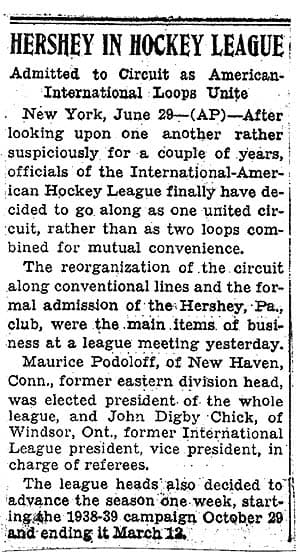
Charlotte’s example showed how the unification effort also tied into division structure. The Charlotte Checkers said the league announced changes to the schedule format and division realignment, and that the Checkers stayed in the Atlantic Division with the same seven teams as in 2019-20, the most recent normal season. A stable divisional map can trim travel and create a more familiar set of opponents, and over 72 games those small edges add up.
The same calendar logic was still visible when the AHL opened its 90th anniversary season on Friday, October 10, and carried into 2026-27 schedule planning. The board’s approval was administrative on paper, but its practical effect was to make the regular season easier to manage for players, coaches and affiliates that have to survive it.
This article was produced by Prism’s automated news system from verified source data, official records, and press releases, then run through automated quality and moderation checks before publishing. The system is built and supervised by the people who set the standards it runs under. Read our full AI policy.
Did this article answer your question?