AHL business meetings in Grand Rapids spotlight league growth and innovation
More than 250 AHL and club officials met in Grand Rapids to hammer on ticket sales, sponsorship, and NHL development alignment.
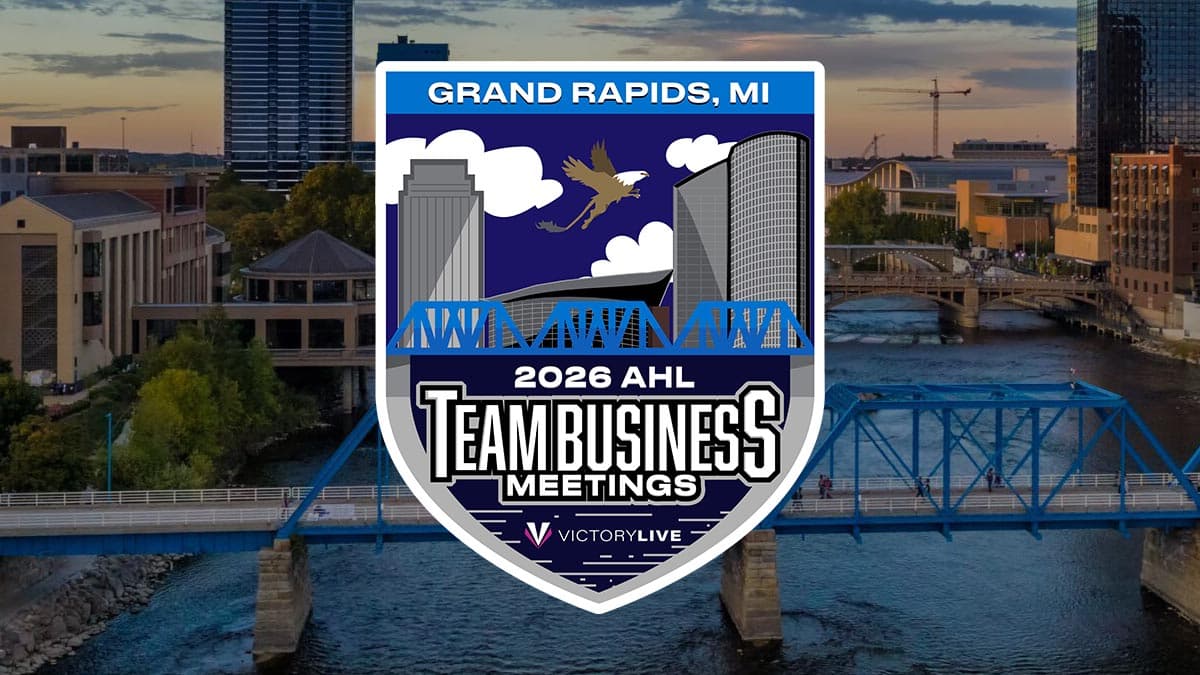
More than 250 league and club representatives gathered at DeVos Place Convention Center in Grand Rapids for the AHL Team Business Meetings, and the point was bigger than a routine off-ice gathering. The league used the week to push the issues that shape what fans see and what affiliates build: ticket sales, corporate sales, marketing, and the business tools that help teams turn a night at the rink into repeat business.
The annual Vendor Showcase put that focus into practical terms, with roughly 40 merchandise, promotional, ticketing and technology companies on site. For AHL clubs, that meant a chance to compare the systems and partnerships that can change how quickly seats sell, how sponsors are packaged, and how game nights are presented. For ticket buyers, the payoff is usually felt in the details, from smoother purchases to sharper promotions and a more polished arena experience.

The speaker lineup showed how wide the league’s business conversation had become. AHL president and CEO Scott Howson was among the headliners, joined by Kalamazoo Wings general manager Toni Will, Hustle Inc. growth and development leader Dennis Fryer, Gainor Sports founder Brian Gainor, Ohio University strategy and events director Annie Valeant, Ilitch Sports and Entertainment sales executive Amanda Dennis, AXS chief strategy officer Marc Ruxin and You Can Play Project executive director Kurt Weaver. The league also planned to recognize team staffs in its annual TBS Awards Presentation, underscoring how much of the modern AHL product is built on sponsorship, branding, ticketing and community outreach as much as on wins and losses.
The timing gave the meetings extra weight. The AHL said its 2025-26 season was its 90th year of operation, with all 32 clubs playing 72 games apiece from Oct. 10, 2025, through April 19, 2026, for a total of 1,152 regular-season games. The league also said 87.0 percent of NHL players in 2024-25 were AHL graduates, a number that explains why business alignment matters far beyond the box office. If the AHL is the pipeline to the NHL, then the clubs that sell better, market smarter and build stronger partnerships are the ones most likely to keep that pipeline healthy.
Grand Rapids made sense as the host city. The Griffins ranked fifth in AHL attendance in 2025-26 at 7,949 fans per game, and the franchise had already produced one of the league’s best starts in history earlier in the season. That local success fit the larger message from Grand Rapids: the AHL’s next competitive edge may come as much from the business side as from the ice surface, and what clubs learned here will shape how they sell the 2026-27 season before a puck drops.
This article was produced by Prism’s automated news system from verified source data, official records, and press releases, then run through automated quality and moderation checks before publishing. The system is built and supervised by the people who set the standards it runs under. Read our full AI policy.
Did this article answer your question?