Colorado Eagles face Chicago Wolves’ speed test in conference final
Colorado’s shut-down identity meets Chicago’s speed and pressure in a series where pace control will decide everything. Trent Miner and Cayden Primeau could swing the Western Conference Final.

Colorado’s structure is about to meet a team that does not care about structure
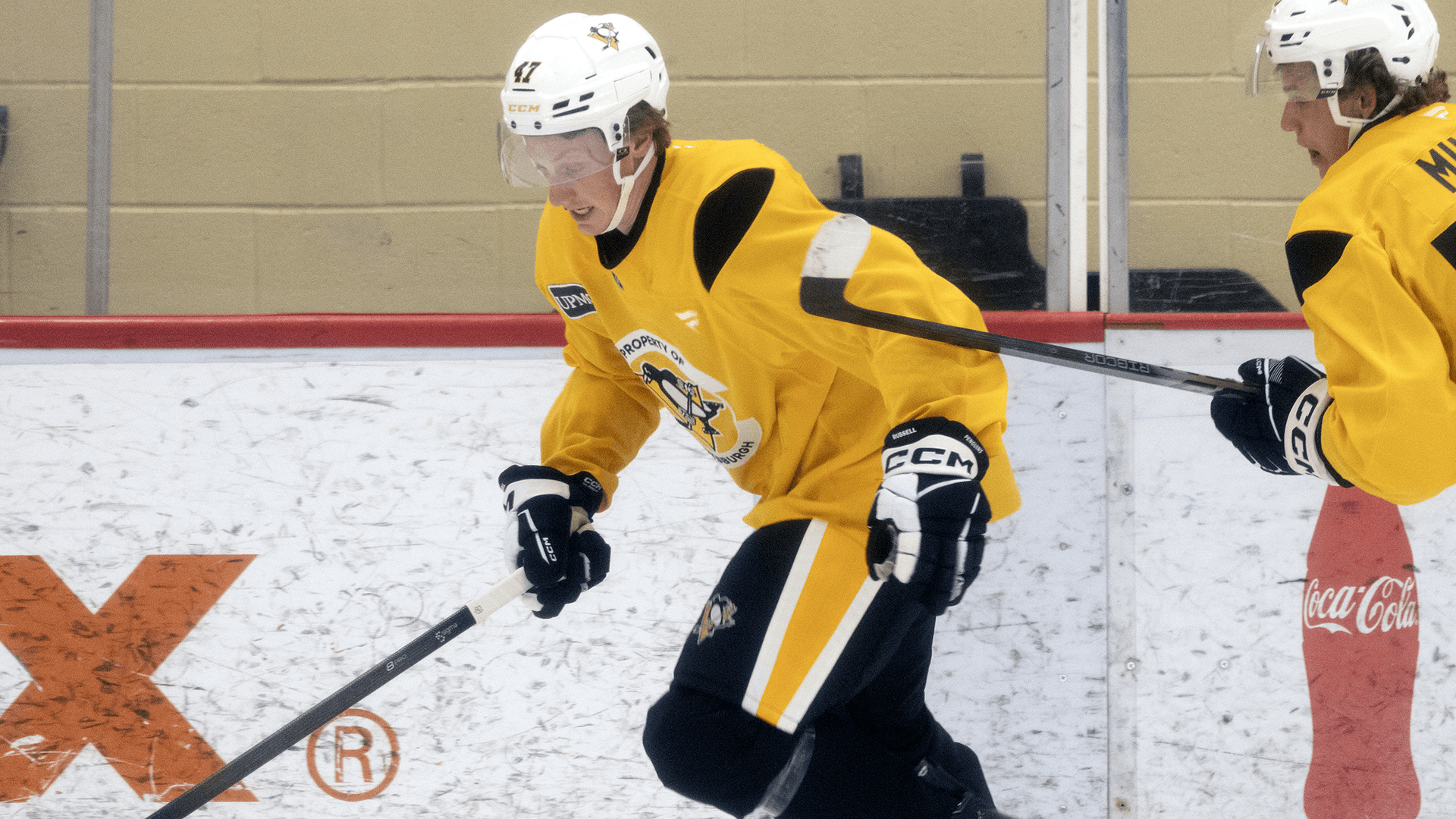
This Western Conference Final is a collision of identities. Colorado has won the first three rounds by squeezing games into its preferred shape, while Chicago has survived by making opponents play fast, think late, and defend under stress. That is the real edge in this best-of-seven: not reputation, not history, but which club can force its style on the other before the series settles in.
The Eagles enter their first-ever conference final with a playoff resume built on restraint and efficiency. They lost only two games through the opening three rounds, swept San Diego, then beat Henderson and Coachella Valley by leaning into a system that has made them one of the league’s stingiest postseason teams. Chicago, meanwhile, arrived here after handling Grand Rapids in four games and surviving several tight, draining nights that sharpened its edge rather than dulling it.
Why Colorado has been so hard to beat
Colorado’s postseason identity starts with shot suppression and ends with confidence in the crease. The Eagles have used their structure to keep games out of scramble mode, and that has allowed skaters to take more chances in the right places instead of chasing everything backward. In a playoff bracket where momentum swings can become avalanche effects, Colorado has mostly denied opponents the oxygen they need.
Trent Miner is the reason that structure has held. The 2019 seventh-round pick, who made his NHL debut with the Avalanche in 2024-25, entered the series with four shutouts in the 2026 playoffs and a .947 save percentage through 10 games. His Game 1 shutout over Coachella Valley on May 13 was Colorado’s fourth shutout of the postseason, and it was the kind of performance that changes how a bench plays every shift after it.
That matters because the Eagles’ defense is not just blocking lanes, it is creating exits. Alex Gagne, Keaton Middleton, and Wyatt Aamodt have been important for the way they disrupt entries and turn recoveries into counterattacks. Gagne has been especially valuable because he gives Colorado size and skill at the same time: the 6-foot-5 rookie from Bedford, New Hampshire, had 13 points in 58 regular-season games and added two goals in 10 playoff games before the conference final.
There is also real depth behind the top line of defense. Bryan Yoon’s series-clinching goal against Coachella Valley was a reminder that Colorado does not need hero hockey to win a round. T.J. Hughes, Gavin Brindley, and Daniil Gushchin have all become more important because the Avalanche’s NHL recall pressure has forced Mark Letestu to keep adjusting his lineup and spreading trust across the roster.

Chicago’s challenge is different, and that is the point
Letestu has been clear about the matchup shape. Chicago does not play like Colorado’s previous opponents. The Wolves pressure the puck harder, play more man-on-man, and use speed and younger skill to create rushed decisions. That is the kind of game that can expose a team that has spent two months perfecting calm.
Chicago’s route here says plenty about its comfort in chaos. The Wolves went to Grand Rapids, won the first two games there, and closed the Griffins out in four. They also brought a road edge into the series, going 3-1 away from home in the playoffs with two overtime wins. Those are not the numbers of a team waiting to be impressed by the building or the moment.
There is also pedigree behind the push. Chicago entered the series 5-1 all-time in Western Conference Finals series, with trips to the Calder Cup Finals in 2002, 2005, 2008, 2019, and 2022. The Wolves have won three Calder Cup championships, and that kind of history matters when a series turns ugly in the third period and someone has to make the next shift look routine.
The midseason coaching change adds another layer. Chicago replaced Cam Abbott with Spiros Anastas on Dec. 12, 2025, when the club was 11-7-3-1. Since then, the Wolves have looked like a team that understood its identity more clearly than its record suggested in December.
The goalie duel may define the whole thing
This series is not just Colorado versus Chicago. It is Miner versus Cayden Primeau, and both goalies bring different forms of pressure. Miner has been the backbone of Colorado’s confidence, the reason its defense can stand a little taller and its forecheck can take a little more risk. Primeau, by contrast, has carried Chicago through close games that demanded patience and nerve.

Primeau entered the conference final at 6-3 with a 2.31 goals-against average and a .924 save percentage. Those numbers tell the story of a goalie who has done more than survive. He has held the line in a postseason where Chicago has already shown it can win the kind of one-goal, overtime-heavy games that usually decide a playoff run.
For Colorado, the task is to make Primeau see the puck late and often through traffic. For Chicago, the mission is to pull Miner out of his comfort zone by forcing cross-ice movement, rebounds, and broken plays. If either goalie gets to look square and set too often, that side probably controls the night.
The first two games are the tone-setters
Game 1 was set for Thursday, May 28, 2026, at Blue Federal Credit Union Arena in Loveland, Colorado, with Game 2 on Saturday, May 30. Every Calder Cup playoff game is streaming live on AHLTV on FloHockey, which means the series opens with all of the pressure visible and none of the hiding places.
Colorado also carries the weight of unfinished business from last season. The Eagles went 43-12-0-8 in the 2024-25 regular season, reached the Pacific Division Final, and lost to Abbotsford, the eventual Calder Cup champion. This run is already a step beyond that near-miss, but that does not make it safer. It makes the next layer of expectation heavier.
Letestu, in his first season behind Colorado’s bench after four years as an assistant with Cleveland, has been here enough to know what travels in the playoffs. His Monsters went 136-117-23-16 from 2021-22 through 2024-25 and reached the conference finals in 2023-24, so he has recent evidence that disciplined teams can survive long enough to matter.
That is why this matchup keeps circling back to the same answer. Colorado wants a series played in lanes, under control, with clean exits and low event hockey. Chicago wants the opposite: speed, pressure, broken rhythm, and enough stress on the puck to make structure crack. The team that imposes its pace first will not just win Game 1, it will start writing the whole conference final in its own language.
This article was produced by Prism’s automated news system from verified source data, official records, and press releases, then run through automated quality and moderation checks before publishing. The system is built and supervised by the people who set the standards it runs under. Read our full AI policy.
Did this article answer your question?