Early recalls show AHL remains a proving ground for prospects
Early recalls are now a sign a prospect has already earned trust, with AHL performances like Sergei Murashov’s turning into real NHL auditions.
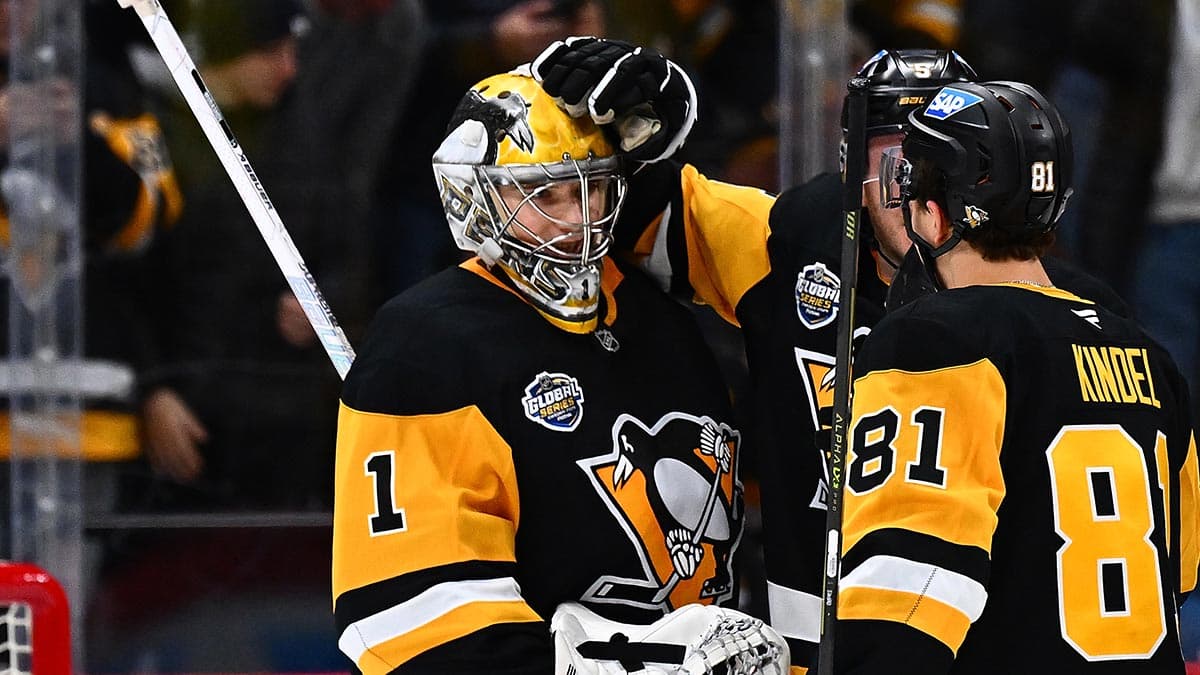
Early recalls are landing as proof of progress, not punishment. For prospects who begin the year in the AHL, a quick return to the NHL usually means the organization thinks the player has already banked something real, whether that is extra reps, a heavier workload or cleaner execution in one part of the game. Patrick Williams captures that shift with Sergei Murashov in the lead image, a reminder that the AHL is increasingly where NHL readiness gets built in public.
The call-up is the checkpoint, not the end point
An assignment to the AHL out of training camp no longer reads like a final verdict on a prospect’s ceiling. It often means the club wants more ice time, more responsibility or more targeted development before asking for NHL minutes. When the recall comes early, the organization is effectively saying the player has already shown enough to deserve a bigger stage, and now the question is whether that growth survives NHL pace and pressure.
That is why these moves carry more weight than a routine transaction. A young player who gets called up early is not just filling a seat; he is being tested against NHL speed, decision-making and matchup detail. If he holds his own, the recall validates the development path. If he needs more time, the AHL still serves its original purpose as the place where the next layer of progress is supposed to happen.
Murashov shows what an AHL breakthrough looks like
Sergei Murashov is the clearest example in the current conversation. The Penguins goalie was later named AHL Goaltender of the Month for October after six starts, a 5-1-0 record, a 1.68 goals-against average, a .935 save percentage and one shutout. Those are not just strong numbers for a prospect, they are the kind of run that forces an NHL organization to start thinking about the next opening in its crease.
The context matters as much as the line. Murashov’s work helped the Wilkes-Barre/Scranton Penguins get off to their best start in 15 years, which tells you the AHL impact went beyond individual stats and into team shape. For a young goalie, that kind of month is exactly how the AHL becomes an audition stage for NHL backup duty, emergency depth or a longer-term push up the depth chart.
The rules make the AHL part of the NHL plan
The development structure around the AHL is built to keep that pipeline active. AHL materials cited in other hockey outlets say teams must dress at least 13 development players among 18 skaters, and 12 of those 13 must have 260 or fewer professional games, including games in the AHL, NHL, ECHL and other pro leagues. That rule keeps younger players in the center of the league’s identity and helps explain why so many prospects rotate through the same environments on the way up.
The NHL side is just as structured. League hockey operations guidelines allow a club to carry a maximum of 23 players on the playing roster from the start of the regular season through the trade deadline. That cap creates constant pressure on management to balance depth, injuries and development, which is why the AHL is never just a holding pattern. It is part of the roster architecture.
Why recalls happen when they do
Timing is often dictated by more than one factor. Teams need players who are ready to step in quickly, and the AHL is where those players get the minutes and game situations that make an emergency promotion possible. The Carolina Hurricanes’ transaction primer lays out how clubs use injured reserve and long-term injured reserve, and it also explains the difference between a regular recall and an emergency recall when a team is short because of injury or other roster constraints.
That flexibility is one reason early recalls happen before anyone outside the room expects them. A player can start in the AHL because the NHL roster is full, then move up as soon as the club needs a body or sees enough improvement to trust him with a role. In that sense, the minor league is not a detour. It is where teams build call-up-ready options before the opening appears.
Camp cutdowns show how many prospects still start there
The Montreal Canadiens’ recent training-camp cutdown underlines how common that path remains. Montreal assigned 24 players to the Laval Rocket, including Jacob Fowler, Joshua Roy, Filip Mesar and Luke Tuch. That is a substantial block of talent headed to the AHL before the NHL season even settles in, and it shows how quickly a prospect can move from camp competition to a real-season development assignment.
For Laval, that kind of influx changes the entire roster picture. The affiliate gains high-end youth, but it also has to manage ice time, special-teams roles and lineup balance around players who may be gone as soon as the NHL needs them. For Montreal, the move is a public blueprint for how the organization expects to use its pipeline, with Laval serving as the first proving ground for players who might help in Montreal later in the season.
What the early recall trend says about the league
The modern AHL is built for movement. Players arrive with unfinished business, get more minutes, and are then judged on whether they can translate that progress into NHL games. That is why an early recall should be read as a milestone. It usually means a prospect has already done enough in the AHL to force the next conversation, and the club now wants to see whether the performance travels.
The lesson is simple across Wilkes-Barre/Scranton, Laval and the rest of the league: the AHL is not a place a prospect gets stuck. It is where an organization decides whether the player is ready for the next job, and the earliest recalls are often the clearest sign that the answer is getting closer to yes.
This article was produced by Prism’s automated news system from verified source data, official records, and press releases, then run through automated quality and moderation checks before publishing. The system is built and supervised by the people who set the standards it runs under. Read our full AI policy.
Did this article answer your question?