How AHL affiliations shape rosters, recalls and player development
An AHL roster is never static. One NHL affiliation can dictate call-ups, ice time and development priorities, turning a week on the calendar into a completely different team.
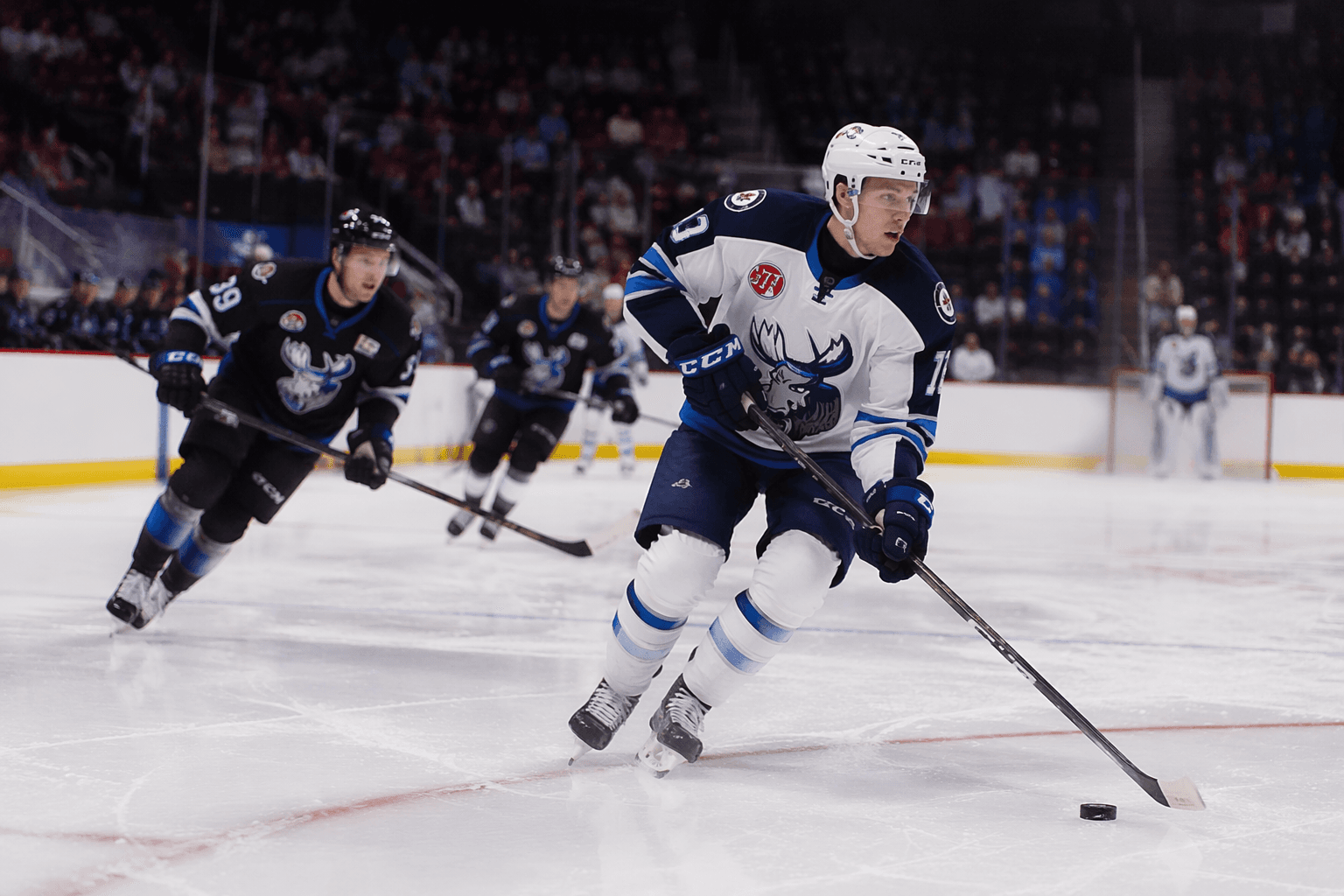
A lineup in October can look almost nothing like the same team in January. The parent club controls who arrives, who leaves and how much runway each prospect gets, so AHL hockey is the NHL’s living roster pipeline.
The affiliation is the engine behind the roster
The American Hockey League is the NHL’s primary development league. Its official FAQ, team directory and NHL affiliations page lay out a 32-club circuit across the United States and Canada, with most teams operating inside a parent-club relationship. In that structure, line combinations, goalie rotations and special teams usage are organizational decisions.
The practical effect is immediate. An NHL club generally decides whether a prospect stays in the AHL, gets a look on the big stage or moves back and forth as injuries, form and depth charts change. That means the AHL coach is often balancing two goals at once: put out the best team tonight and keep each player on the development path the parent club wants.
Why a recall can change everything by Tuesday
An assignment to the league coming out of training camp is often temporary; "nothing needs to be permanent" about it. Early recalls are part of the standard path for top prospects trying to win NHL jobs. A player can arrive in October as a camp cut, turn into a hot start in November and be wearing an NHL sweater by the time the schedule tightens.
The churn is not limited to spectacular prospect promotions. Injury recalls, conditioning assignments, emergency goalie moves, deadline deals and trade-deadline reinforcements all flow through the same affiliation structure, which is why some AHL rosters feel settled for weeks while others swing wildly from game to game. July 1 matters too, because the AHL marks that date as the start of free agency in both leagues, and that is when the depth charts begin to turn over before camp even opens.
What the parent club controls on the ice
Affiliation is not only about who gets called up. It shapes who gets the puck, who kills penalties, who runs the first power-play unit and who faces the hardest defensive matchups on a given night. If the NHL club believes a young center needs more reps in the middle, the AHL staff builds around that. If a defenseman needs to learn heavier minutes or a goalie needs a larger workload, the affiliate becomes the lab where that test happens.
AHL hockey often looks different from a typical minor league. The coaching staff is often teaching the same systems used by the parent club, because the point is not just to win at the AHL level but to make the next call-up usable on the first shift in the NHL. For a prospect, surviving back-to-backs, handling different travel and learning how to score against veteran defenders are part of the job description.
The Buffalo-Rochester example shows how durable a strong affiliation can be
Some affiliations are so stable that they become part of a team’s identity. The Rochester Americans list the 2025-26 season as the 44th season of affiliation between the Buffalo Sabres and the Amerks, one of the longest-running relationships in the league. That continuity shapes how prospects are used and what kind of hockey the affiliate is supposed to play.
Rochester supporters watch the Amerks chase points and Buffalo’s next wave learn how to handle professional pressure. When the Sabres need depth, they pull from Rochester.
Why some teams are built to win now and others to develop
Every affiliate has to live inside that tension, but not every organization balances it the same way. Some NHL clubs push their AHL partner to be more competitive, especially when they want young players learning in a playoff environment. Others emphasize ice time, role experimentation and system teaching, even if that means a more volatile nightly lineup or a little less emphasis on the standings.
The team schedules page lists the 2024-25 slate as a full league schedule with all times local, stretching across time zones and across the border, with 32 clubs in the United States and Canada. The roster behind it can look different each time the puck drops.
How to read an AHL roster like a pro
A few markers tell you immediately what kind of week an affiliate is having:
- If an NHL team is dealing with injuries, the AHL roster is likely to lose top-line minutes to recalls.
- If a prospect is getting heavy power-play and penalty-kill work, the parent club is probably prioritizing development in game situations.
- If the lineup changes after deadline deals, the affiliate is absorbing the ripple effect of a bigger organizational move.
- If an AHL club keeps the same core for a long stretch, the parent club may be letting the roster settle so it can chase wins and build cohesion.
One AHL team can feel like a prospect showcase in October, a playoff contender in December and an emergency depth chart in March. The league’s history traces back to Oct. 6, 1936, when the International Hockey League and the Canadian-American Hockey League formed the International-American Hockey League.
This article was produced by Prism’s automated news system from verified source data, official records, and press releases, then run through automated quality and moderation checks before publishing. The system is built and supervised by the people who set the standards it runs under. Read our full AI policy.
Did this article answer your question?