How pickleball began on Bainbridge Island, and why it fits amateurs
Pickleball was born on Bainbridge Island in 1965 as a family fix, and its low-cost, mixed-age design still explains why 19.8 million Americans played in 2024.
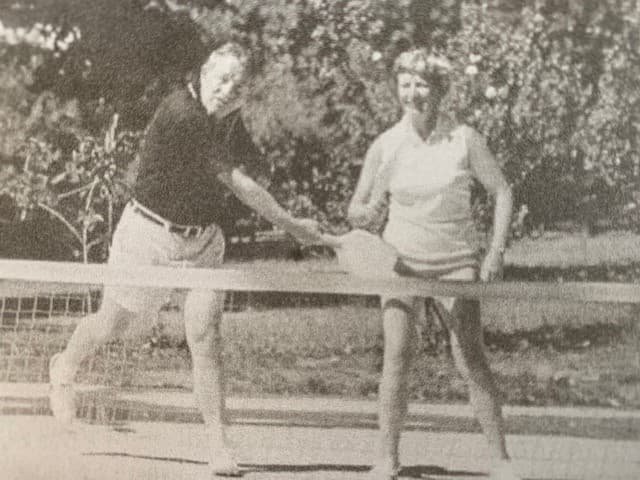
Pickleball started on Bainbridge Island in the summer of 1965 as a solution to a familiar summer problem: bored kids and adults who wanted something fun to play together. Joel Pritchard, Bill Bell and Barney McCallum improvised the game for their families, and the sport’s core features still trace back to that backyard need.
Bainbridge Island gave pickleball its shape
The invention is tied to Pleasant Beach on the south end of Bainbridge Island, where the families spent summers together. Washington State Magazine and the Bainbridge History Museum both place the game’s earliest days there, not in a lab or a governing body’s workshop, but in a place where people needed a game that could work immediately. That origin still explains why pickleball feels so easy to pick up and so hard to overcomplicate.
The court was compact because the first version borrowed space from a badminton court. The equipment was simple because the creators used table tennis paddles and a plastic ball similar to a Wiffle ball. Those choices were not decorative, they were the whole point: the game had to be playable with what was already nearby.
A backyard fix became a template for amateur play
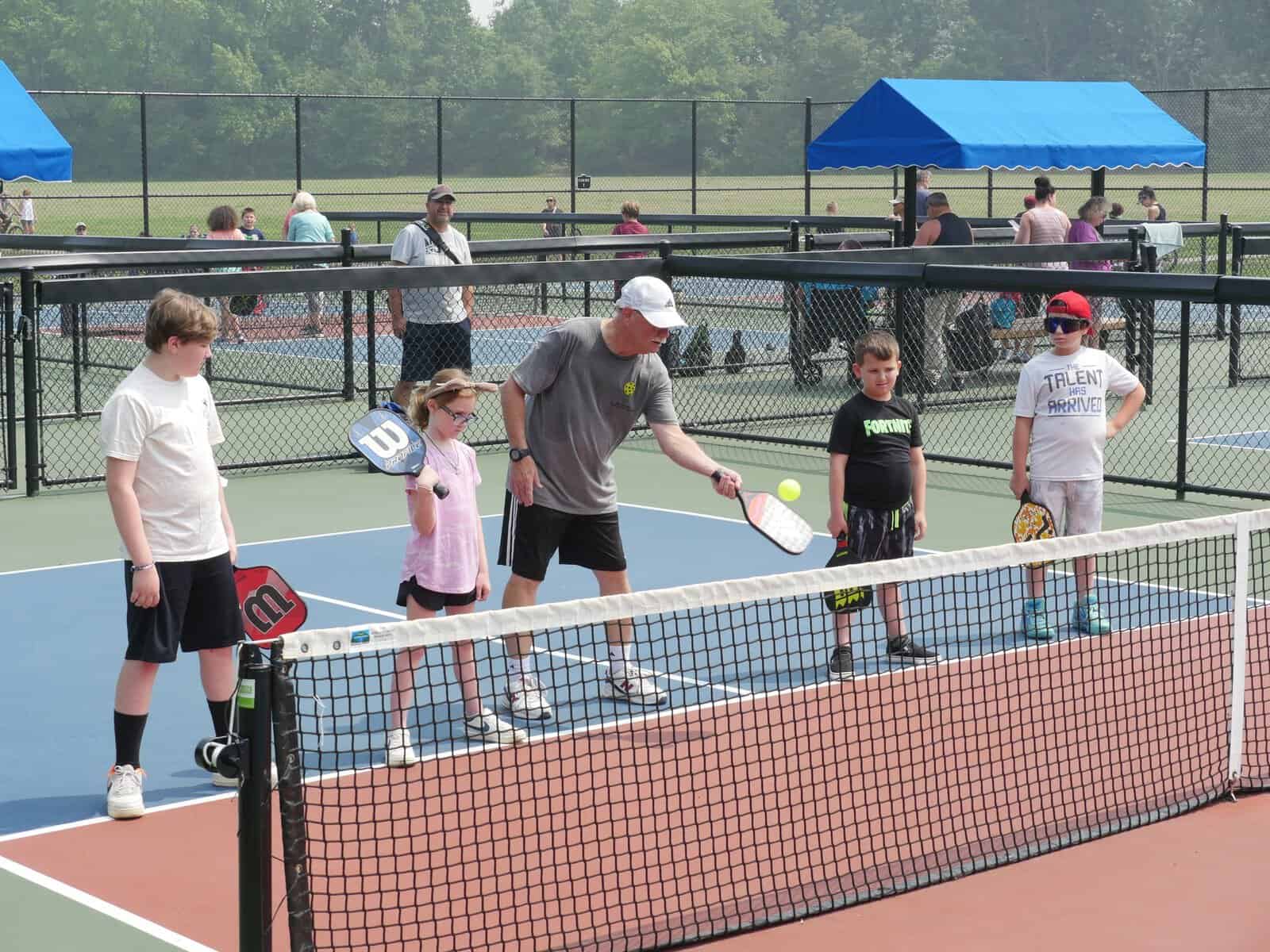
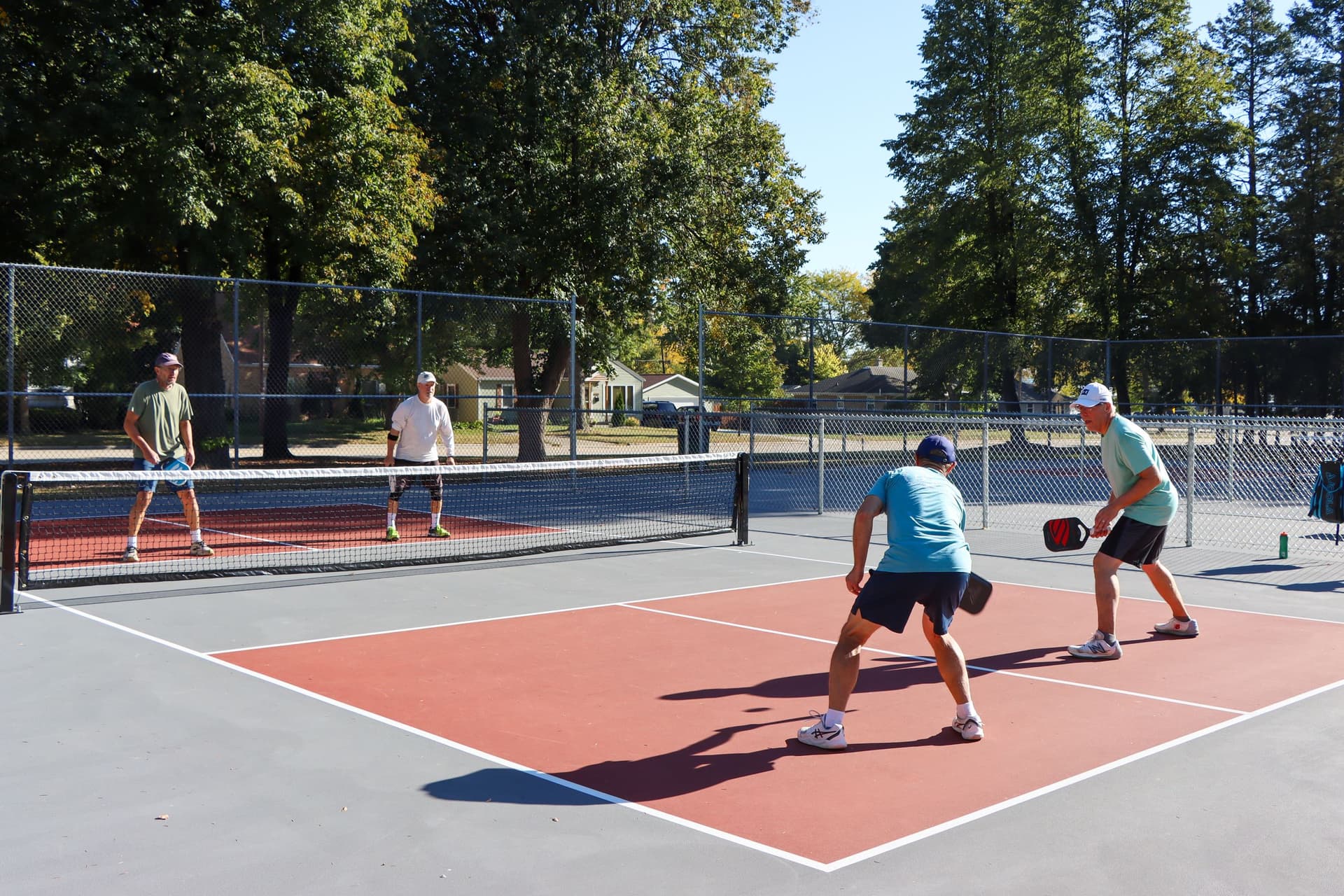
That improvised setup is why pickleball fits parks, recreation centers and neighborhood courts so naturally today. A smaller court lowers the running load, the perforated ball slows the action, and paddles are easier to control than strung rackets. The result is a sport that lets different ages stay in the same rally without the game immediately tilting toward the strongest athlete.
That matters for amateur play because accessibility is built into the rules of the physical space itself. You do not need a major facility buildout to start a game, and you do not need a steep technical background to make a decent return. The sport’s original design still rewards casual drop-in play, which is exactly why it has spread so quickly through neighborhoods and rec centers.
The name is part of the lore
The name “pickleball” has its own split personality, and that confusion is part of the sport’s charm. USA Pickleball traces the name to Joan Pritchard’s reference to a “pickle boat,” the rowing term for a crew made up of leftover oarsmen. The more popular version says the family dog Pickles inspired the name because he chased the ball.
That naming split matters because it shows how the sport grew through storytelling as much as through structure. “Pickleball” sounds playful, a little odd and easy to remember, which is useful for a game that spreads person to person. A sport that began as a practical family fix ended up with a name that people can repeat after hearing it once.
Why the modern boom makes sense
The modern numbers line up with the origin story. The Sports & Fitness Industry Association reported 19.8 million U.S. pickleball players in 2024, a scale that makes sense for a game built to be low-cost, social and easy to learn. The sport was never designed as an elite-only ladder, and that is why it keeps pulling in new players across ages and skill levels.
The original equipment and court setup also explain why the game travels so well. A badminton court, a few paddles and a lightweight ball were enough in 1965, and today that same low barrier still powers pickup games, league nights and casual open play. In a sports landscape crowded with expensive entry points, pickleball remains unusually simple to start.
Bainbridge Island still owns the story
Bainbridge Island has turned its history into something visible. The Bainbridge Island Parks & Trails Foundation honors the game at the Founders Courts, and those courts at Battle Point Park were completed in 2020. That gives the birthplace a real destination, not just a story people repeat at the fence line.
Washington State went further in 2022, making pickleball its official state sport. That recognition gives the game a civic stamp that matches its reach, from a south-end summer cabin setting to a statewide identity. The path from Pleasant Beach to Founders Courts to state-sport status is exactly why pickleball fits amateurs so well: it was built from ordinary materials, for ordinary people, and it still works that way when the crowds show up.
This article was produced by Prism’s automated news system from verified source data, official records, and press releases, then run through automated quality and moderation checks before publishing. The system is built and supervised by the people who set the standards it runs under. Read our full AI policy.
Did this article answer your question?