Pickleball’s two-bounce rule keeps rallies open for beginners
The two-bounce rule gives beginners room to breathe and turns the serve, return and third shot into pickleball’s first real chess match.
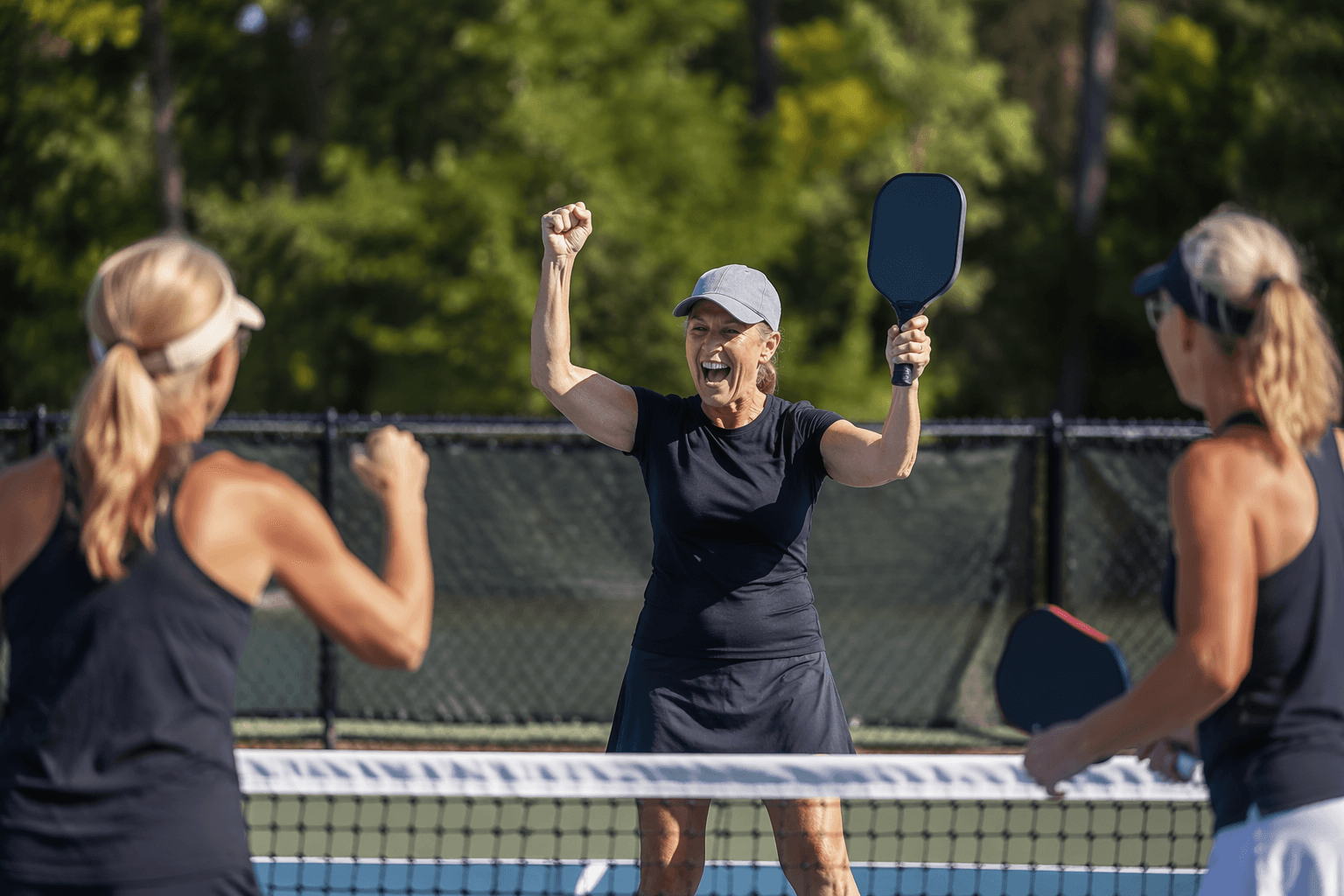
The two-bounce rule, also called the double-bounce rule in some instructional materials, requires the receiving team to let the serve bounce once and the serving team to let the return bounce once before anyone can volley.
Why the first two bounces matter
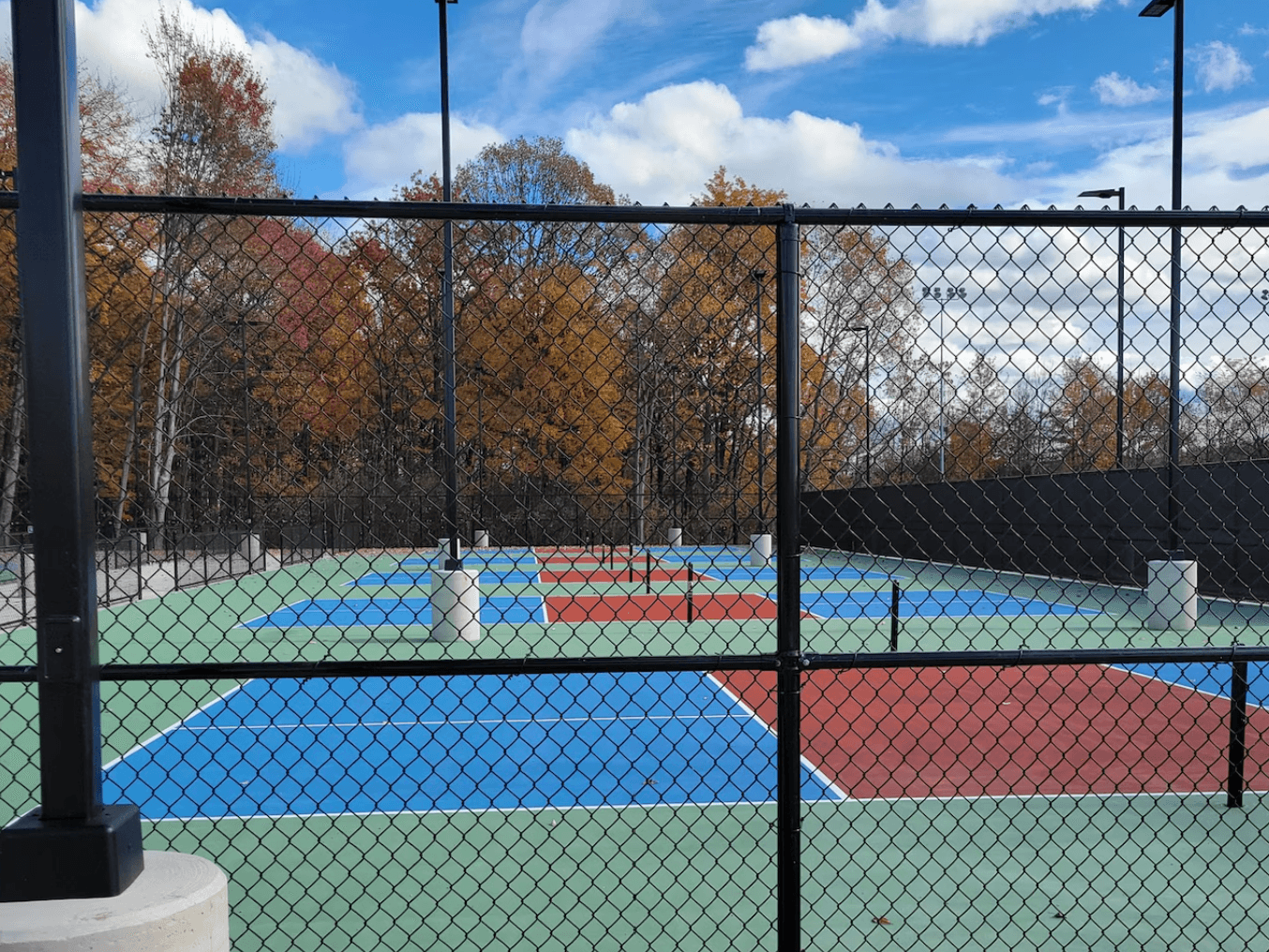
Pickleball is played as doubles or singles, doubles is most common, and the same size playing area and rules are used for both formats. The court includes the non-volley zone, or kitchen, which extends 7 feet from the net on each side.
Without the two-bounce rule, pickleball would tilt much closer to a pure serve-and-volley contest. The server could attack the return right away, the receiving team would be forced into defensive reflexes from the first ball, and beginners would spend far more points reacting than learning how to build one. The rule slows that first exchange just enough to make the sport open to new players while still leaving room for sharp placement, touch and timing.
How the rule shapes the first three shots
The opening rally in pickleball usually runs through a familiar script. The serve starts the point, the returner sends back a deep, controlled reply, and the serving team must let that ball bounce before hitting the third shot. After that, the game opens into the real tactical question: do you drop it soft, drive it hard, or reset the point with a safer ball?
That sequence matters because it rewards the shots amateur players actually need to master first. A strong return buys time, a disciplined third shot creates space, and a controlled reset can keep a point alive long enough to get both teams to the kitchen line. The two-bounce rule creates that transition phase.
If you are learning the game, the rule also punishes impatience in a very specific way. You cannot rush forward after serving and you cannot poach a volley on the second hit, because volleying too early is a fault.
What good players do with the window it creates
The rule does not just slow the game down. It gives both teams time to move from the baseline toward the kitchen, which is the most important piece of court real estate in pickleball. Since the kitchen stretches 7 feet from the net, the sport encourages softer hands, better angles and more controlled shot-making than nonstop overhead power.
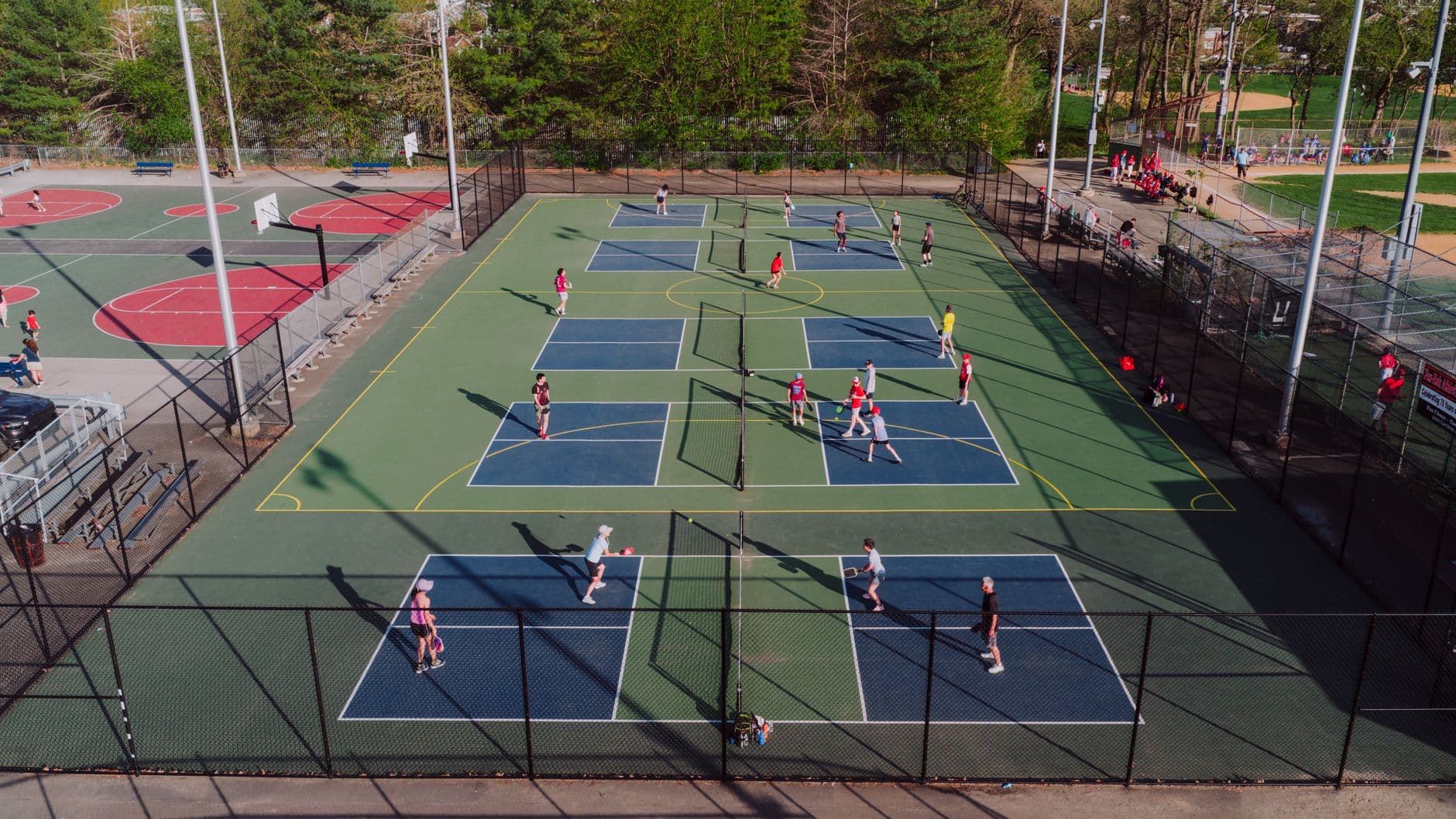
That is why the standard answers on the third ball are so revealing. A skilled player can drop the ball soft into the kitchen, drive it through the court or play a more conservative reset if the return forced a weak position. The rule gives amateur players a fairer runway into that decision, because both sides have had to survive the first two bounces before the hands battle at the net begins.
For your own first three shots, the practical takeaway is simple:
- Serve with enough depth to keep the returner back.
- Return with purpose, usually deep and controlled, so you have time to get organized.
- On the third shot, choose the swing that matches your court position, not just the one that feels biggest.
Why USA Pickleball keeps the rule central
USA Pickleball published the sport’s first official rulebook in March 1984, a reminder that the game’s formal structure is still relatively young. In its own materials, the organization formulates and interprets the rules to preserve the traditional nature and character of the sport and the skills traditionally required to play it.
The 2026 USA Pickleball Rulebook Change Document is dated December 17, 2025 and edited January 30, 2026.
How the rule changes the way amateurs should think
For casual players, the easiest mistake is to treat the opening rally like tennis or table tennis and try to end the point too soon. Pickleball asks for something different. The serve and return are not just ways to start play; they are the first half of a controlled move toward the kitchen, and the two-bounce rule makes that transition unavoidable.
Even in rec play where nobody is thinking about tournament brackets, it keeps rallies open long enough for beginners to see the court, learn spacing and understand why the kitchen is such a contested zone. It also explains why so many points are won not by the first swing, but by the player who uses the serve, return and third shot to gain the best position before the real fight at the net begins.
This article was produced by Prism’s automated news system from verified source data, official records, and press releases, then run through automated quality and moderation checks before publishing. The system is built and supervised by the people who set the standards it runs under. Read our full AI policy.
Did this article answer your question?