ChocCity Cornhole builds Washington, D.C. safe space for QTIBIPOC players
ChocCity Cornhole turns weekly play into a QTIBIPOC-safe entry point in D.C. Jess Davis built it from park tosses into a lasting pipeline for new players.
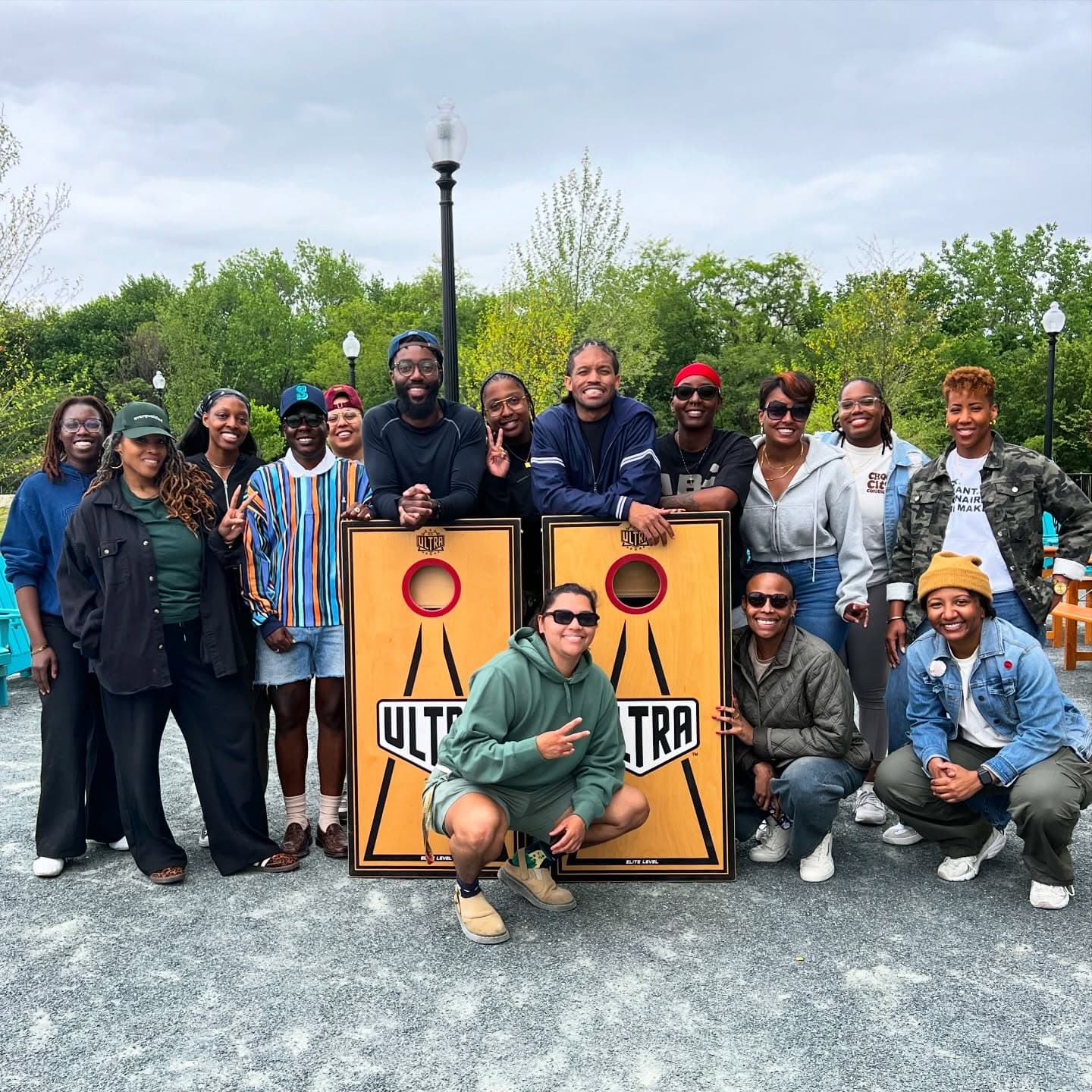
ChocCity Cornhole gives Washington, D.C. players a place where the game is only part of the draw. The league centers women of color, queer POC, and allies, and it frames cornhole as a way to build community, decompress, and create a safer welcome for QTIBIPOC players who may not see themselves in traditional backyard or bar-league spaces. Registration and tournament play run through Scoreholio, which keeps the league connected to a wider competitive cornhole ecosystem even as its social mission stays front and center.
The league also makes its structure easy to enter. Each week offers two paths, Competitive and Social Throws, so newer players do not have to start in the deepest bracket to take part. ChocCity says its broader vision is to introduce as many people in the D.C. area as possible to cornhole and help grow the future of the game, which turns every weekly turnout into more than a single night of recreation.
Jess Davis built the league from curiosity into a home base
Jess Davis did not come into cornhole as a lifelong player. Before 2017, Davis says, they knew nothing about the sport. A workplace event introduced them to the game, then a later night at a bar, where people were already playing, pushed the idea further. Davis joined in, got interested, and started researching the sport seriously before buying boards and bags and taking the game into parks such as Anacostia Park and the National Mall.
That early phase matters because it shows how ChocCity was built from the same on-ramp it now offers other players: casual access first, deeper commitment second. Davis has said they did not initially know the regulations, which makes the league’s origin feel less like a polished brand launch and more like a real player pathway. After learning the game more seriously, Davis joined a local league, sharpened their skill, and then created ChocCity so the learning and the community could be shared.
The name itself carries intention. Davis chose ChocCity to pay homage to D.C. and connect the league to Black history in the city. That gives the organization an identity that reaches beyond sport branding, tying the league to local memory and a broader cultural claim on public space.
A weekly league built for people who need a different kind of cornhole scene
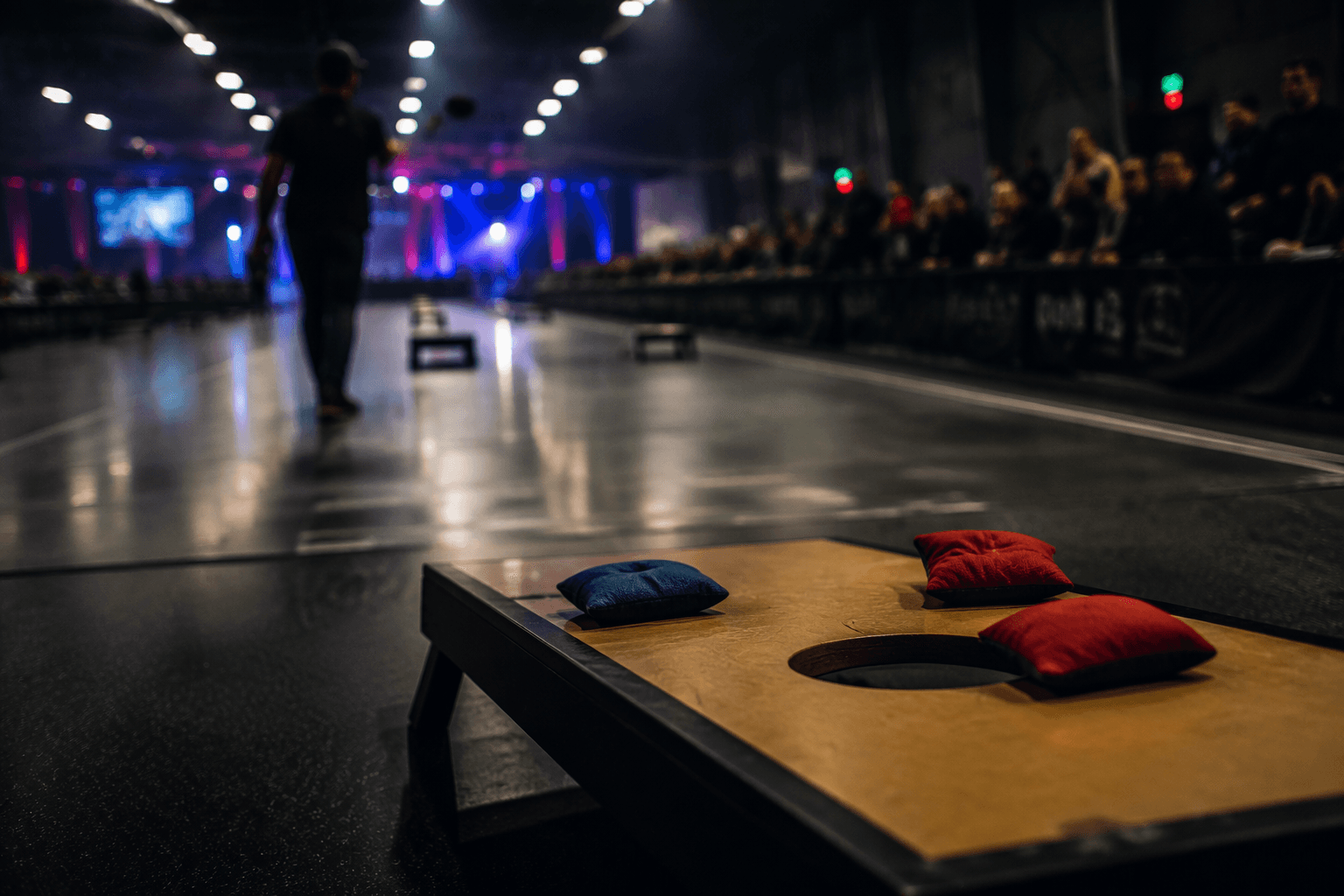
ChocCity says it hosts weekly indoor tournaments at Hook Hall, 3400 Georgia Ave NW, Washington, DC 20010. When Hook Hall is unavailable, events move to Kraken Kourts and Skates at 840 E St NW, Washington, DC 20004. That indoor setup matters in practical terms, because it gives players a predictable place to show up, compete, and return week after week instead of relying on weather, private backyards, or one-off social gatherings.
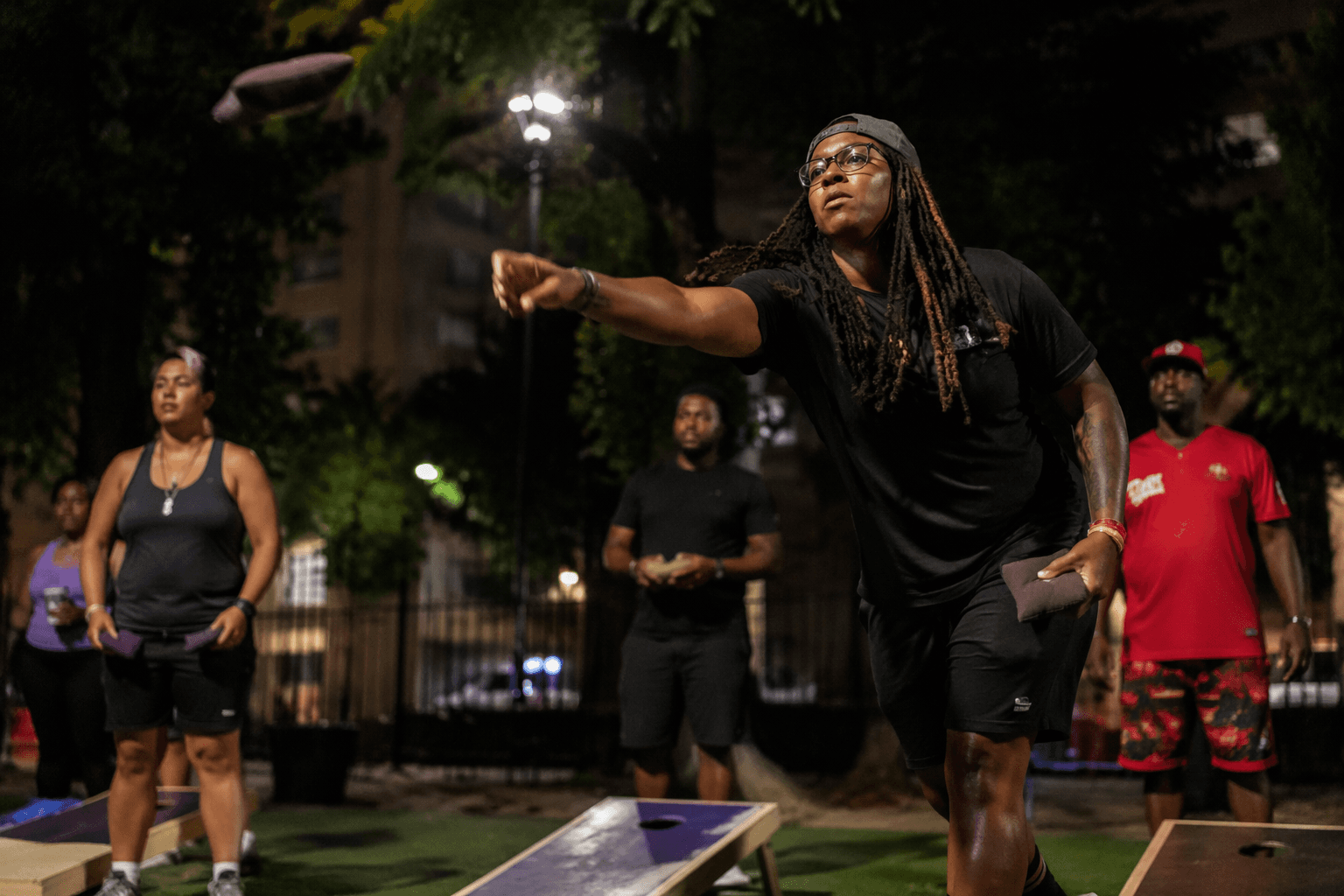
The league’s competition format is straightforward and newcomer-friendly. ChocCity’s FAQ says the goal in cornhole is to be the first team to reach or surpass 21 points, using cancellation scoring. For players who are just learning the sport, that structure keeps the action legible: each bag matters, every round changes the math, and scoring stays transparent enough for social players to follow while they learn.
The season has also shown steady activity rather than a single showcase moment. ChocCity posted that its Fall Season began on September 5, 2024, a concrete marker that the league’s calendar keeps moving and that this is an ongoing community with recurring play, not a pop-up concept. That continuity is part of the story’s competitive weight, because a league only becomes a pipeline when players can come back.
Why the space matters in a city where queer venues keep shrinking
ChocCity is also arriving at a moment when the traditional social infrastructure for queer community has weakened. Davis said the project began as a way of hanging out with friends and has since brought them into contact with many new people they otherwise would never have met. That change captures the league’s broader social role: it is not just a game night, but a place where Black queer and allied players can meet outside the narrow format of nightlife.
The local context makes that especially clear. Queer bars, particularly lesbian bars, have declined sharply. The Lesbian Bar Project estimated there were 15 lesbian bars in 2019 and 32 by 2024, a reminder that the places where queer communities gather in public are limited and often unstable. At the same time, Rainbow History Project archives document more than 200 gay bars in Washington, D.C. since the 1920s, which places ChocCity in a long, changing history of queer social spaces in the city.
That history is why ChocCity’s model matters beyond cornhole participation alone. It gives QTIBIPOC players a place to learn the sport, stay in the sport, and bring others with them. The league’s mix of social play, competitive play, and consistent weekly structure helps cornhole expand where it is seen, who feels entitled to enter, and who gets to imagine a future in the game.
This article was produced by Prism’s automated news system from verified source data, official records, and press releases, then run through automated quality and moderation checks before publishing. The system is built and supervised by the people who set the standards it runs under. Read our full AI policy.
Did this article answer your question?