Cornhole strategy map explains target zones, blocks and lane shots
The ACA’s seven-board map turns cornhole into a sequence of lane reads, blocker decisions and safe scoring choices. Tournament geometry and pro rules make each throw repeatable, not random.

The American Cornhole Association’s board guide names seven zones: No Man’s Land, Path Shot, Parking, High Push, Bully, Danger Zone, and Backboard. Knowing which zone you are attacking, which lane you are trying to kill, and which miss you can live with gives players a faster way to decide between a blocker, a push shot, or a safe bag that stays on the board.
Why the board map matters
The ACA was established in 2003 in Cincinnati, Ohio, and calls itself the first organized corn toss organization in the United States.
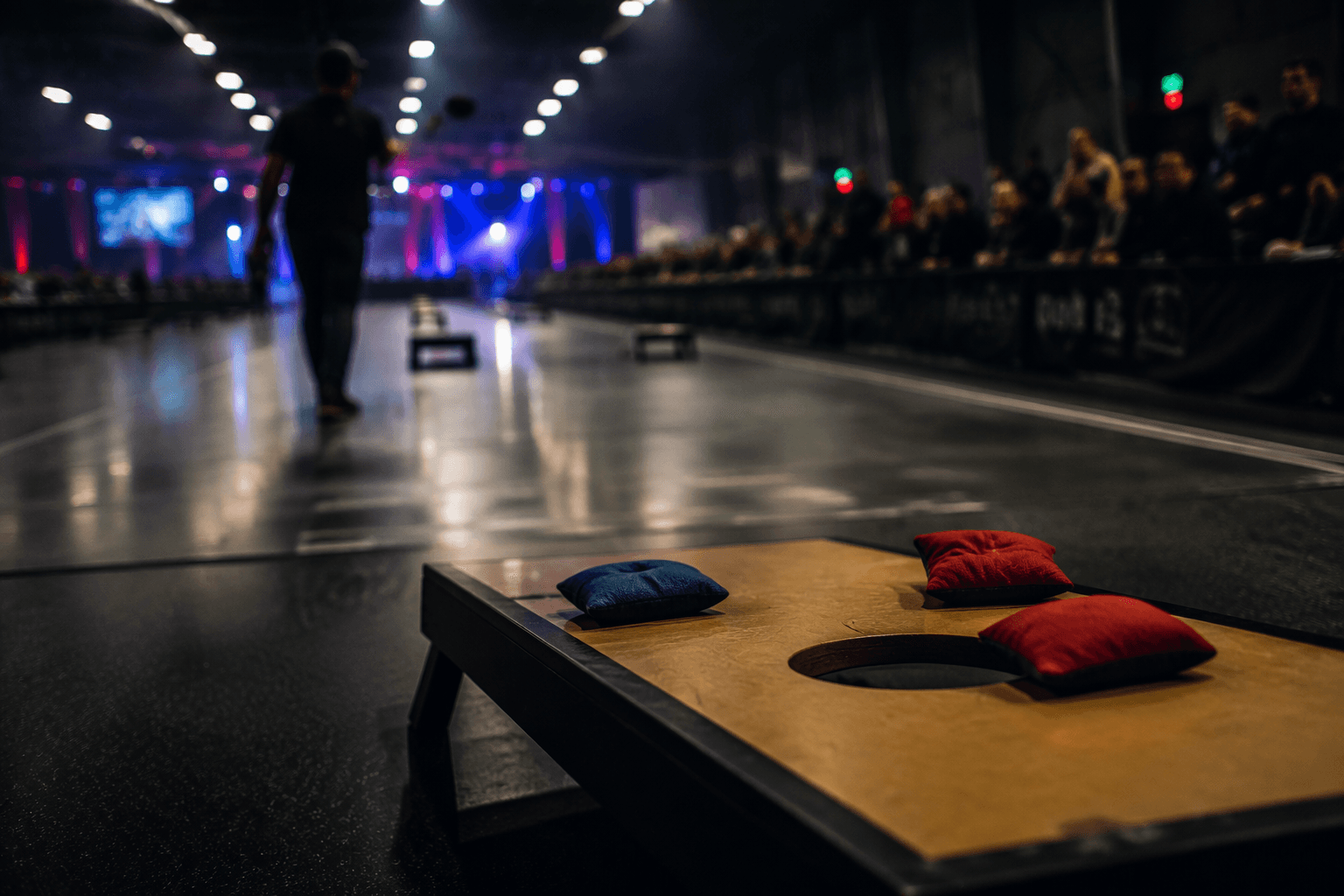
Those labels are useful because cornhole is not one shot repeated eight times. It is a series of board states. A bag in Path Shot lane invites aggression; a bag in Parking tells you to take the score and remove risk; a ball rolling into the Danger Zone forces a sharper choice because the hole is close enough to tempt a push, but not so close that a hard miss is harmless.
Read the board from the middle out
No Man’s Land is the place you want to escape, not camp in. When a bag lands in the dead middle with no immediate lane to the hole, the right answer is usually not force. It is often a controlling throw that either creates a future lane or sets up a blocker so the other side cannot turn the board into a free runway.
Path Shot is the open seam. When a lane is clear, you attack it directly, because the board is giving you a straight route to score without dragging your bag through traffic. That is the moment for a clean push through the lane or a direct path shot, not a defensive toss that leaves the frame alive for your opponent.
Parking is the safest scoring choice on the board. When you already own the frame, or when a risky push would expose you to a counter, the best play is to park a bag on the surface and collect the point. That is the right answer when the board is quick, the hole is crowded, or you need a score that does not hand back momentum.
High Push is the aggressive version of that same decision tree. If an opposing bag is sitting in the way, and the lane is half open but not clean, the high push gives you a chance to go over or through the traffic and keep the frame moving. It is the throw for players who see a score and a removal in the same motion.
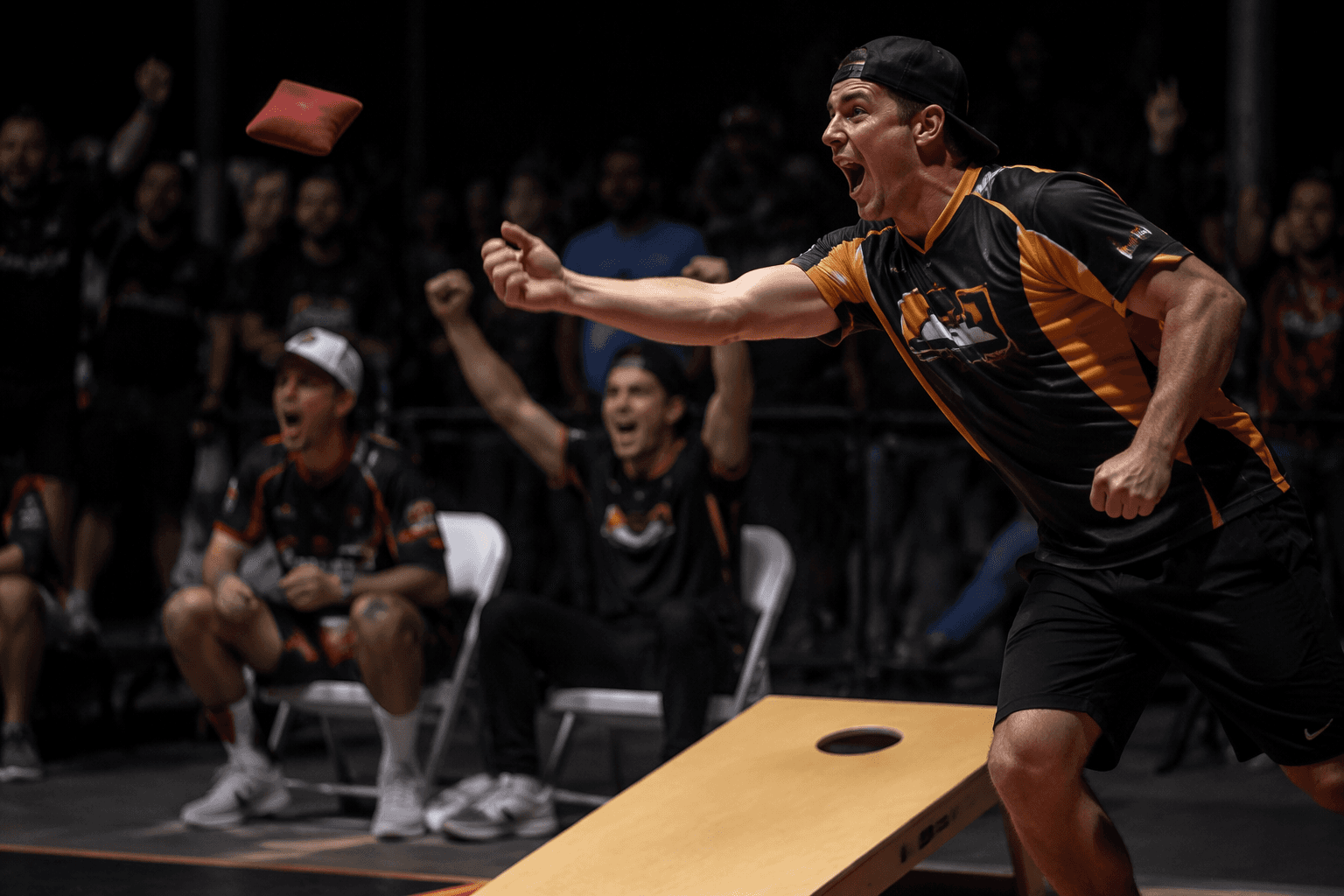
Bully is where the board gets physical. When bags are clustered near the hole, this is the zone where you try to move someone else’s bag, pin it, or turn a near-score into a better one for yourself. The best bully shot is controlled, not wild: enough force to change the board, not enough to blow your own bag off the scoring surface.
Danger Zone is the pressure ring around the hole. This is where a bag can help you or bury you. A soft touch can fall in, but a heavy hand can create a rebound, slide past, or open the door for a reply. When your opponent leaves a bag here, you decide whether to push, protect, or simply take the collectable miss and keep the frame from becoming a giveaway.
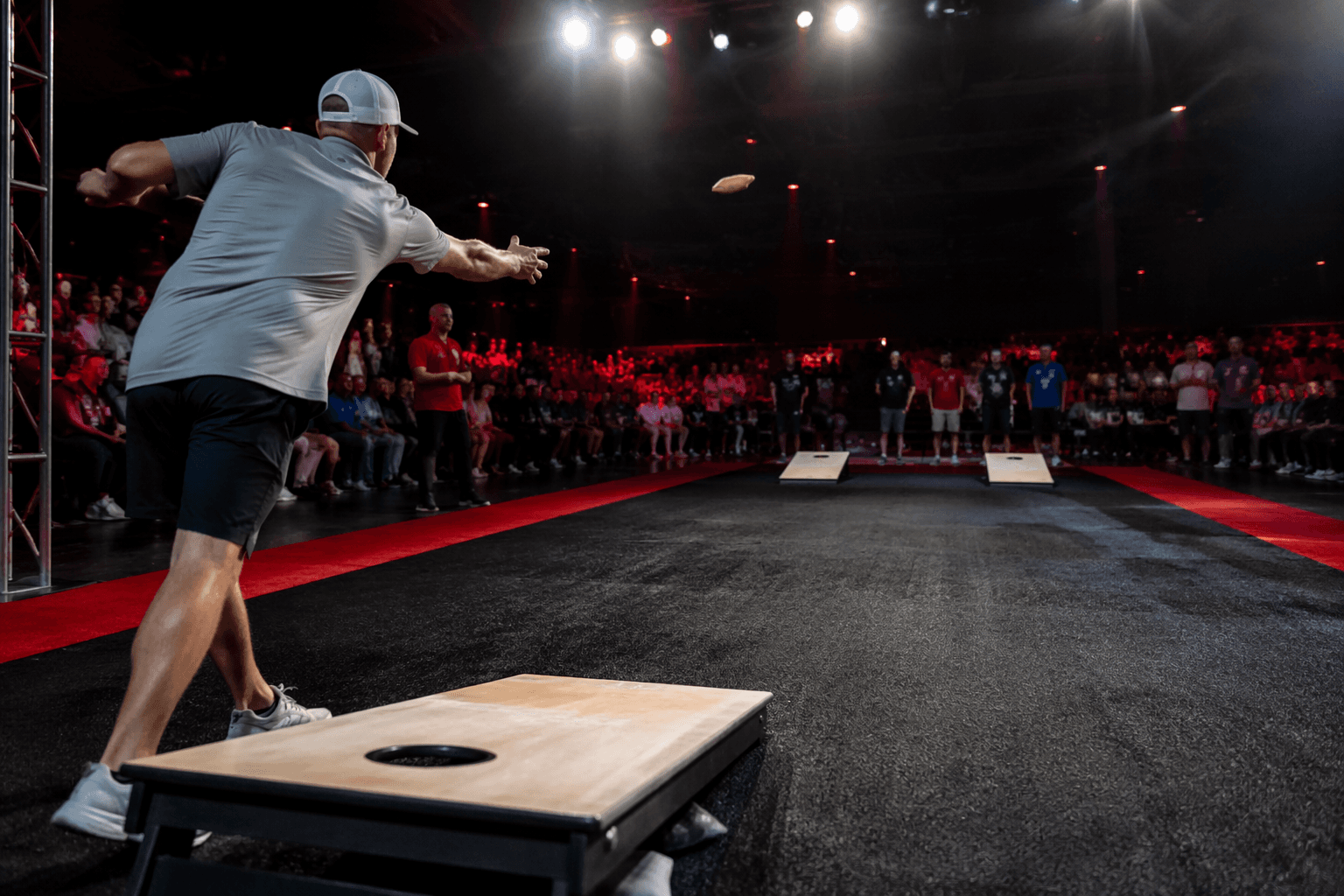
Backboard is the safety valve. When the lane is clogged or the board speed is working against you, using the backboard lets you aim for a more controlled landing instead of forcing a low-percentage line. It is the zone that rewards patience, especially when you can score without inviting a counteroffensive.
The geometry behind the shot choices
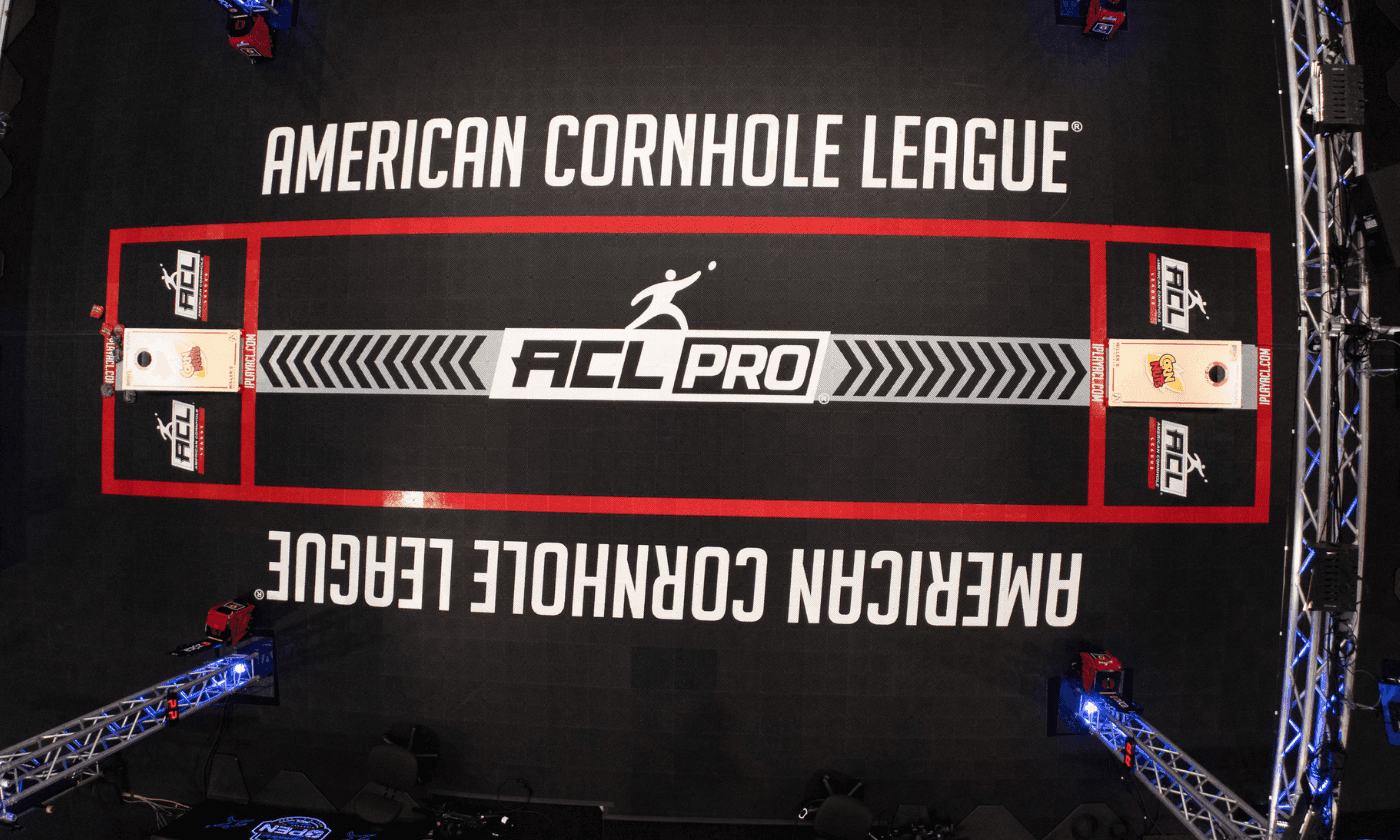
Those decisions make more sense because the ACA’s official rules standardize the playing surface. Tournament boards are 47.5 to 48 inches long and 23.5 to 24 inches wide, with a 6-inch hole and a rear standing height of about 12 inches. The playing area should be 40 to 45 feet long, with 4-by-3-foot pitcher’s boxes.
The bag matters too. ACA rules call for two 6.25-inch fabric squares, weighing about 14 to 16 ounces, filled with corn or plastic pellets. Sanctioned play should use wooden boards because different surfaces play differently, which is exactly why the same shot can look perfect on one set and drift on another. A flat grip, a smooth frisbee-like release, a shoulder-width stance, an opposite-foot step for balance, and a fixed aim point all become more valuable when the board and bag stay consistent.
What the playbook wants you to repeat
Repeatability drives the mechanics. A steady motion matters, and the airmail advice is simple: aim just beyond the hole, keep the arc clean, and repeat the same release until it holds up under pressure. The official rules, board selection, bag break-in, and the basic shot types turn cornhole into a game of decisions instead of guesswork.
In live frames, the choices stay simple. If the lane is open, take it. If the opponent has stacked the front of the hole, use a High Push or a Bully shot. If the board is running fast and the miss is dangerous, park it. If the front is clogged and the only clean route is over the top, throw the airmail and trust the motion you have repeated in practice.
Why the pro game keeps sharpening the margins
Cornhole’s top level keeps tightening around those same choices. The American Cornhole League’s 2025/2026 rules prohibit practice throws during non-player-related technical delays. That is a small rule change with a real effect: it removes a timing edge and keeps stoppages from becoming hidden warm-up windows.
The ACL’s 2026 World Championships will feature more than 50 events and over $800,000 in total payouts, with funded pro division payouts of $104,000 per ACL Pro Signature event and $280,000 at the World Championships. The American Cornhole Organization, founded in 2005, has made its World Championships free for spectators and set its 2026 event for July 20 to 25 in Owensboro, Kentucky. The ACL’s 2026 World Championships are scheduled for July 27 to August 1 in Rock Hill, South Carolina.
This article was produced by Prism’s automated news system from verified source data, official records, and press releases, then run through automated quality and moderation checks before publishing. The system is built and supervised by the people who set the standards it runs under. Read our full AI policy.
Did this article answer your question?