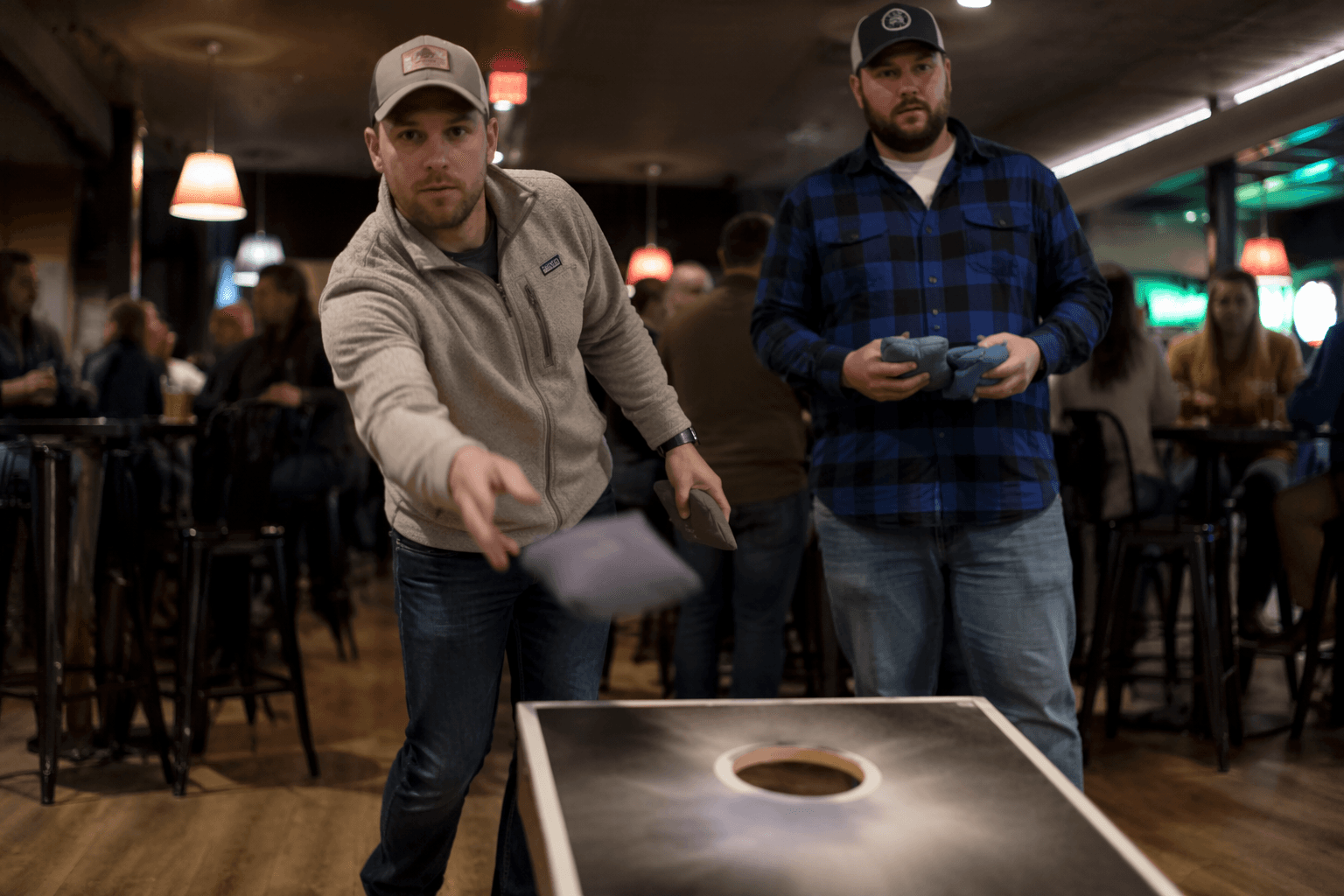
Cornhole’s origin myths clash with the rise of pro competition
Cornhole’s founding stories run from a 14th-century German cabinetmaker to Midwestern folklore, but the real pivot is its shift into governed pro play.

Cornhole looks like the kind of game that should have one clean origin story: a board, a hole, a bag, and a simple throw. Instead it carries a pile of competing myths, from a 14th-century German cabinetmaker named Matthias Kuepermann to a Midwestern farmer called Jebediah McGillicuddy, plus a disputed link to the Sauk people and the Black Hawk tradition in Illinois. The real story is not which tale wins, but how a backyard toss game became a rule-bound sport with governing bodies, certified equipment, and a professional circuit.
The myths that keep traveling
The Kuepermann story gives cornhole an old-world pedigree, imagining a safer throwing game designed by a German cabinetmaker centuries ago. The McGillicuddy version roots the sport in American farm life, the kind of origin tale that feels built for county fairs, rural porches, and regional pride. The Sauk and Black Hawk connection adds a deeper cultural claim, but historians remain skeptical about drawing a direct Native American lineage from that tradition.
Those stories survive because cornhole is easy to explain and easy to claim. A single bag toss can feel local wherever it lands, which is why the game has attracted folklore that stretches from Europe to the Midwest to Illinois. In that sense, the disputed history says as much about migration, memory, and identity as it does about sports.
When the backyard game became a governed sport
The break from folklore to formal competition is clearest in the American Cornhole Organization. The ACO says it has been the official governing body for cornhole since 2005, and it staged its first Nationals Championship in Northern Kentucky in December 2006. That shift gave the sport a public structure, turning a casual pastime into something with a calendar, sanctioned events, and a defined competitive path.
The institutional turn matters because it changed what players were entering. Once a sport has a governing body, a national championship, and standardized rules, it stops living only in local custom. Cornhole still carries its old stories, but its modern identity is built on tournaments, rankings, and equipment standards that let strangers compete on equal terms.

The rulebook is where the game actually lives
The ACO’s official rules make cornhole far more precise than most backyard versions. Boards are set 27 feet apart, front edge to front edge, and a regulation court is 8 feet wide by 40 feet long. The approved boards measure about 47.5 to 48 inches by 23.5 to 24 inches, with 6-inch holes, and scoring uses cancellation rules on the way to 21 points or more.
That kind of standardization is not cosmetic. It is what allows cornhole to move from a neighborhood game to a sport with consistent conditions, whether the match is played at a local qualifier or on a championship floor. The ACO also says its certified equipment is used at major tournaments and at the World Championships unless otherwise noted, which shows how tightly the game now ties competition to gear.
Why the language of the game matters
Cornhole’s culture is visible in its vocabulary, especially the shot known as an airmail, a bag that flies directly into the hole. That single word tells you how the sport has developed its own rhythm and identity, the way baseball has its own lingo and bowling its own shorthand. Once a game starts naming its best shots, it begins to sound less like a pastime and more like a sport with its own grammar.
The vocabulary also helps explain why cornhole has been able to spread so widely without flattening into generic lawn games. Players can share the same rules and still keep the local flavor that came with the game’s earlier myths. The airmail, like the folk stories, gives cornhole a distinctive voice.

Two governing bodies, one fast-growing sport
The modern sport does not have a single authority. The American Cornhole Organization says it has been the official governing body since 2005, while the American Cornhole League says it is the worldwide governing body for professional, competitive, and recreational cornhole. That overlap is part of the story now, because cornhole’s growth has produced not just a bigger player pool, but competing claims over who gets to define the game.
The ACL has also built the kind of infrastructure that signals a serious sports ecosystem. Its ACL HQ in Rock Hill, South Carolina, includes permanent courts, a bar, LED monitors, and a broadcast studio. That kind of setup tells you cornhole is no longer operating only through folding tables and church basements; it now has a venue and media footprint built for spectators as well as competitors.
The sport’s growth has room for more players
The rulebook and the institutions have expanded cornhole beyond its original casual image. The ACO’s official rules now include adaptive cornhole divisions, a sign that the sport has moved quickly to formalize different competitive pathways. That matters because access is part of legitimacy: a sport earns staying power when more people can enter it under clear rules and recognized divisions.
That combination of standard boards, fixed court dimensions, sanctioned tournaments, adaptive categories, and broadcast-ready venues is what gives cornhole its present shape. The origin myths may never settle on one inventor, and that may be the least important question left. What matters now is that the game has a rulebook, a governing structure, and a pro pathway that can carry it far beyond the backyard.
This article was produced by Prism’s automated news system from verified source data, official records, and press releases, then run through automated quality and moderation checks before publishing. The system is built and supervised by the people who set the standards it runs under. Read our full AI policy.
Did this article answer your question?