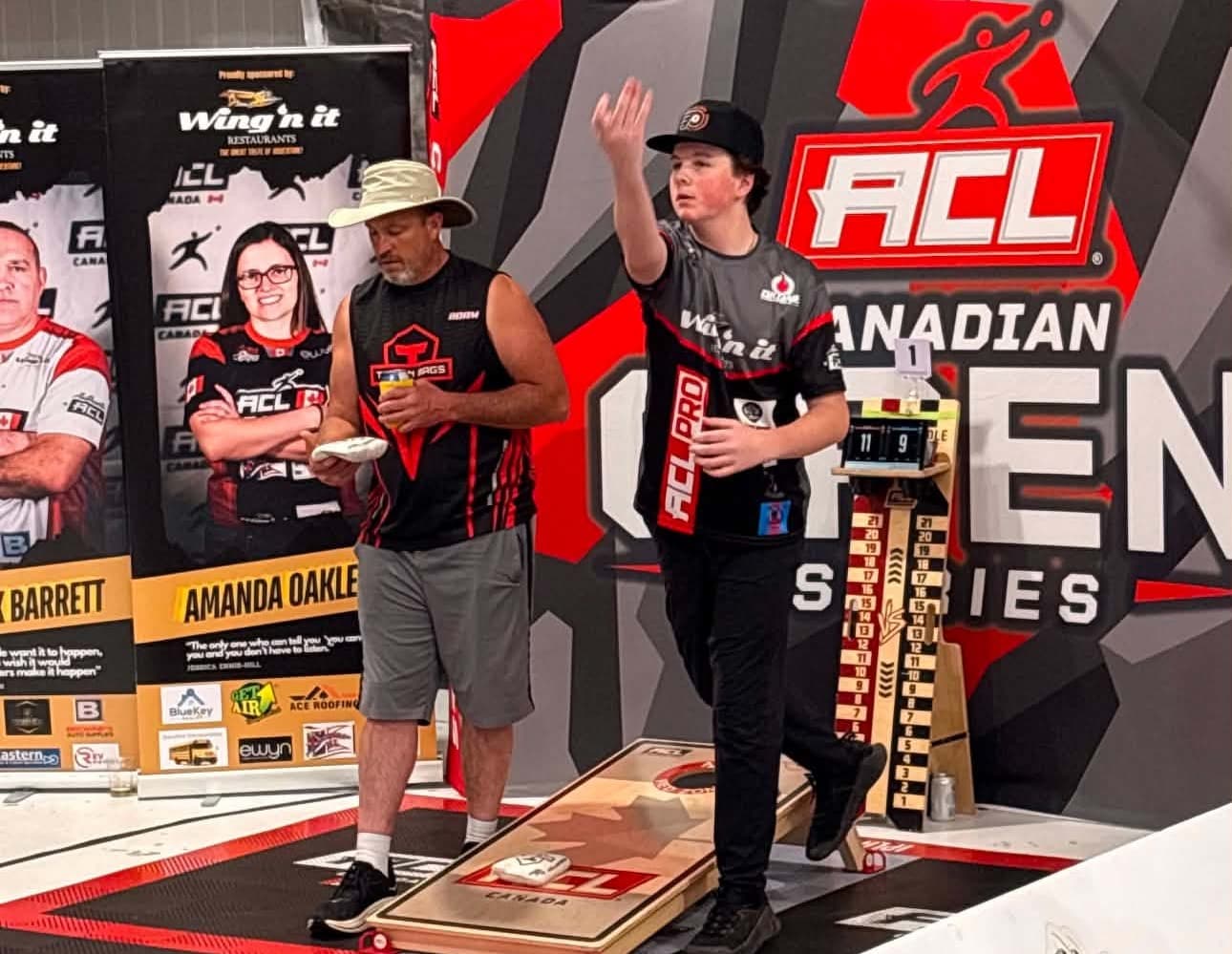
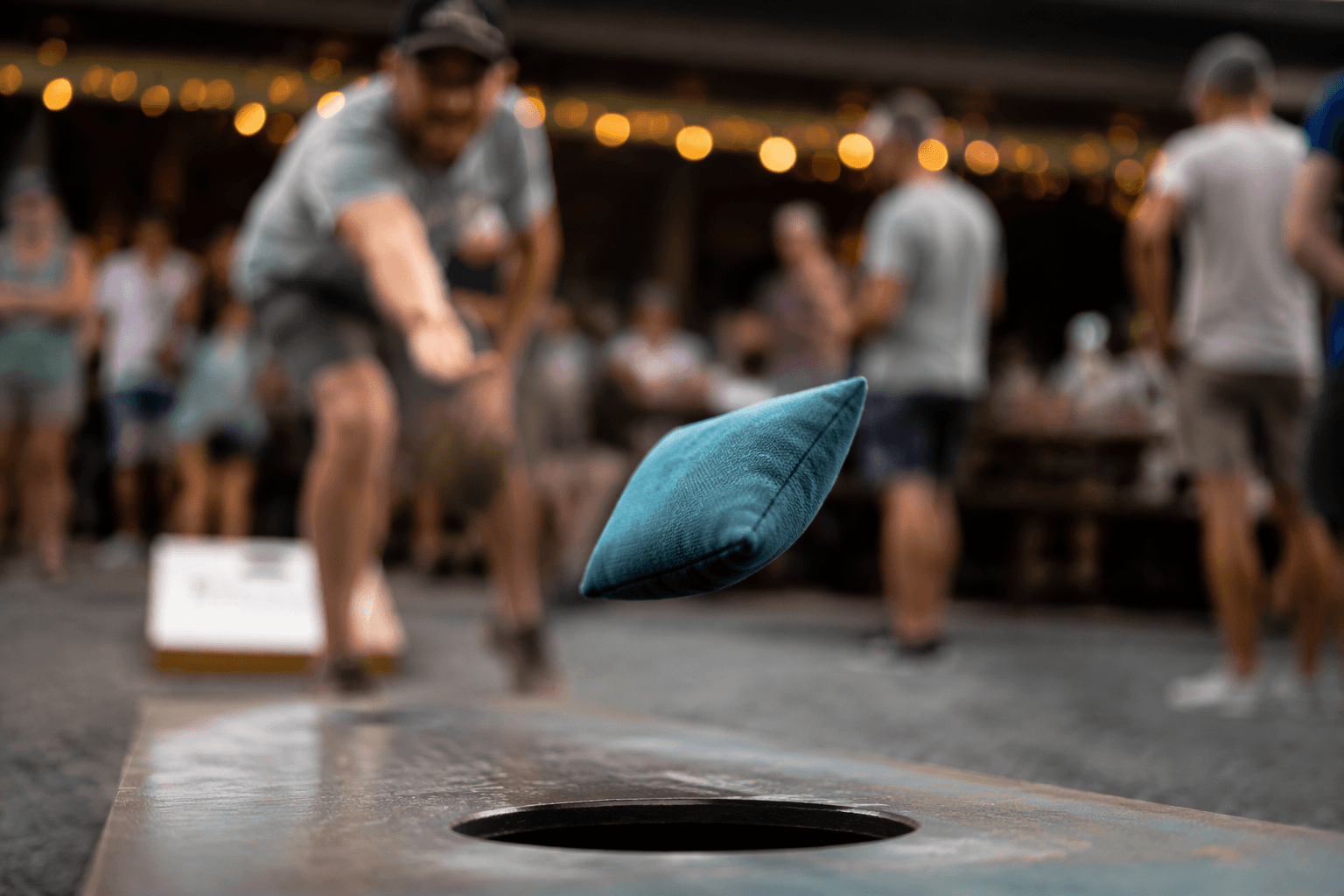
How cornhole players win with blocking, sliding and airmail shots
Blocking, sliding and airmails are how cornhole players steal points, control the board and force mistakes on a 27-foot court played to 21.
On a 27-foot cornhole court, the better player is usually stealing the next frame by placing a bag where it matters most, then forcing the opponent into a worse answer. Blocking, sliding and airmail shots decide so many competitive games.
Why board control beats pure accuracy
The American Cornhole Organization, established in 2005 and headquartered in Camp Dennison, Ohio, built the sport around a simple scoring frame with very specific pressure points. Games go to 21 or more points with no bust, a bag that stays on the board is a woody worth 1 point, and a bag that falls through the hole is a cornhole worth 3. In that setup, every throw is less about showing off and more about choosing whether to attack, protect or disrupt.
A player is not just trying to land one good bag, but to shape the board for the next throw, the next frame and sometimes the entire match.
Situation 1: block when the lane is too valuable to give up
A blocker is the safest way to steal points when the hole is open and your opponent is one clean throw away from doing damage. Instead of chasing the hole, you place a bag in front of it or on the lane line so the next throw has to go over, around or through traffic. On a no-bust board, that single defensive bag can be worth more than a rushed attack because it can turn an easy 3-point reply into a messy 1-point fight.
This is the move that punishes one of the most common amateur mistakes: over-aiming for the hole when the better play is to deny access. If you are up late in a game to 21, a blocker protects the lead by making the opponent earn every point, and the ACO rules make that pressure real because a missed challenge can still leave a woody or a dead lane behind.
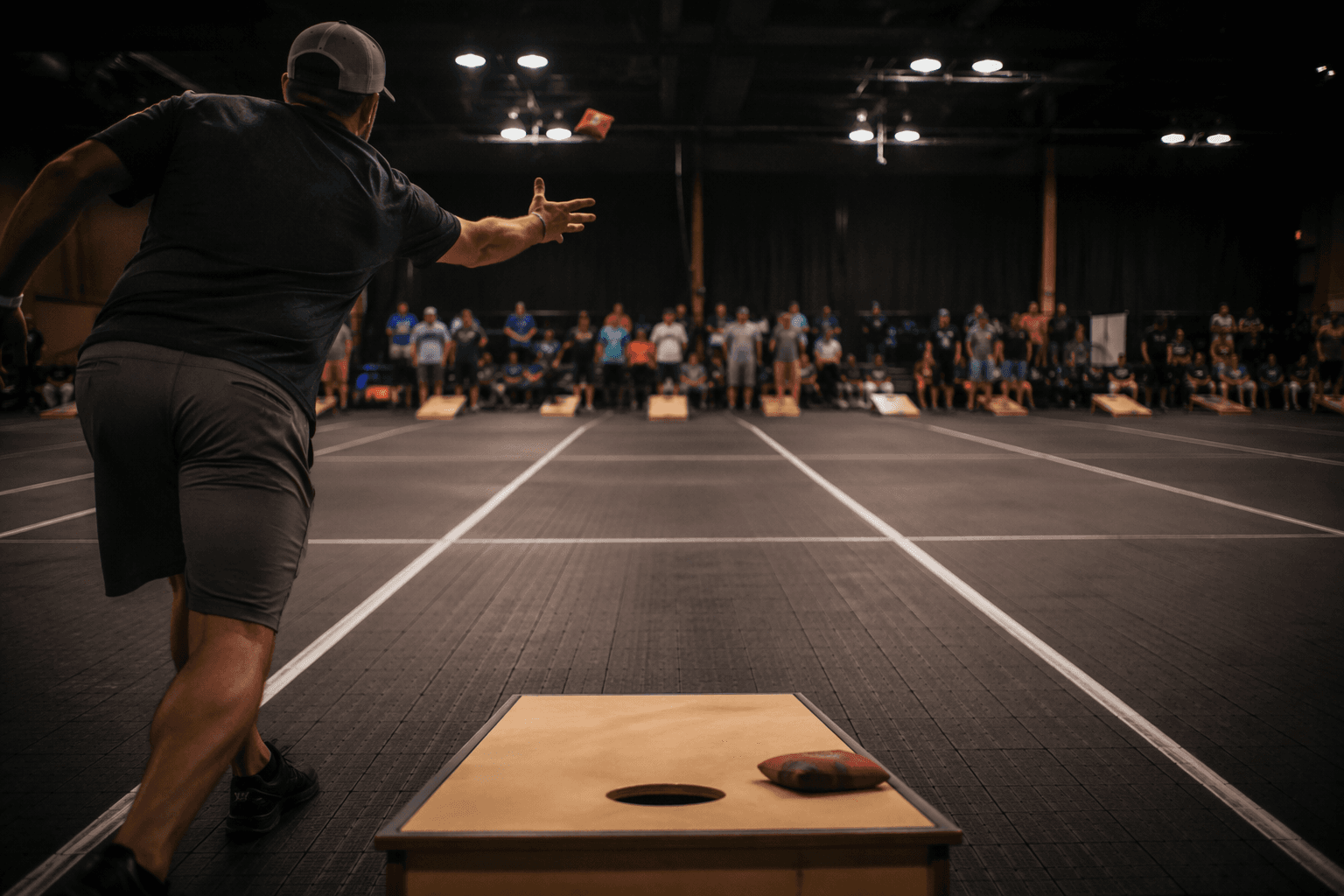
Situation 2: slide when the board gives you a runway
Sliding is the offensive answer to a board that still has room to work with. The goal is a low, smooth path that rides the surface and either drops into the hole or settles into a high-value position near it. Because a woody is only worth 1 point, the slide matters when you need more than a safe board hit and the surface is giving you enough speed to carry the bag forward.
This shot punishes the amateur habit of throwing too high or too softly. A bag that floats often dies short, while a bag that comes in with the right speed can turn a near miss into a scoring bag or a setup for the next toss. Under ACO rules, the 27-foot distance matters here because the throw is long enough that control, angle and bag texture all affect whether the bag glides, sticks or dumps into the hole.
Situation 3: go airmail when the blocker closes the lane
An airmail is the highest-risk, highest-reward answer to a crowded board. Instead of rolling the bag across the surface, you fly it directly into the hole over the blocker, using a clean line that ignores the clutter in front. It is the shot for when the lane is gone and the only path to 3 points is to beat the obstruction in the air.
This is the tactic that punishes the amateur urge to force a low shot through traffic. If a blocker is sitting in the line, a timid throw often caroms off the defense and leaves little behind, while airmail gives you a straight scoring path if your release and angle are right. Miss wide or long, and you hand the frame back, but in a tight race to 21, the bold shot is sometimes the only one that actually wins the board.
The rules explain why these choices matter
The ACO’s rules make shot selection a geometry problem as much as a throwing contest. Boards sit 27 feet from front edge to front edge, games are played to 21 or more points with no bust, and the scoring gap between a woody and a cornhole is wide enough to reward both patience and aggression.
The same rules also show how small details can swing outcomes. No foreign substance such as Pledge, talc powder, baby powder or silicone sprays may be applied to the playing surface or bags before or during play, and players can request an official to inspect an opponent’s bags before a game.
Why the pro game keeps sharpening the lesson
Cornhole’s growth has pushed those tactical choices into the spotlight. On July 30, 2025, the American Cornhole League hosted its championship tournament in South Carolina, where chief strategy officer Trey Ryder discussed the sport’s growing popularity. The ACL’s International division creates and manages events, advises on expansion, develops equipment and educates others on positioning the sport for growth and success.
The ACL’s 2025 Pro Singles World Championship final video put the field at nearly 5,000 players. In that same event, Jamie Graham was the No. 1 player in the world chasing his third singles world title, while Logan Chamberlain, the breakout star and 2022 College Cornhole National Champion, was chasing his first singles world crown. A Cornhole Network video posted on November 18, 2024 identified Mark Richards as the 2022 season singles world champion, which he won as a rookie.
This article was produced by Prism’s automated news system from verified source data, official records, and press releases, then run through automated quality and moderation checks before publishing. The system is built and supervised by the people who set the standards it runs under. Read our full AI policy.
Did this article answer your question?