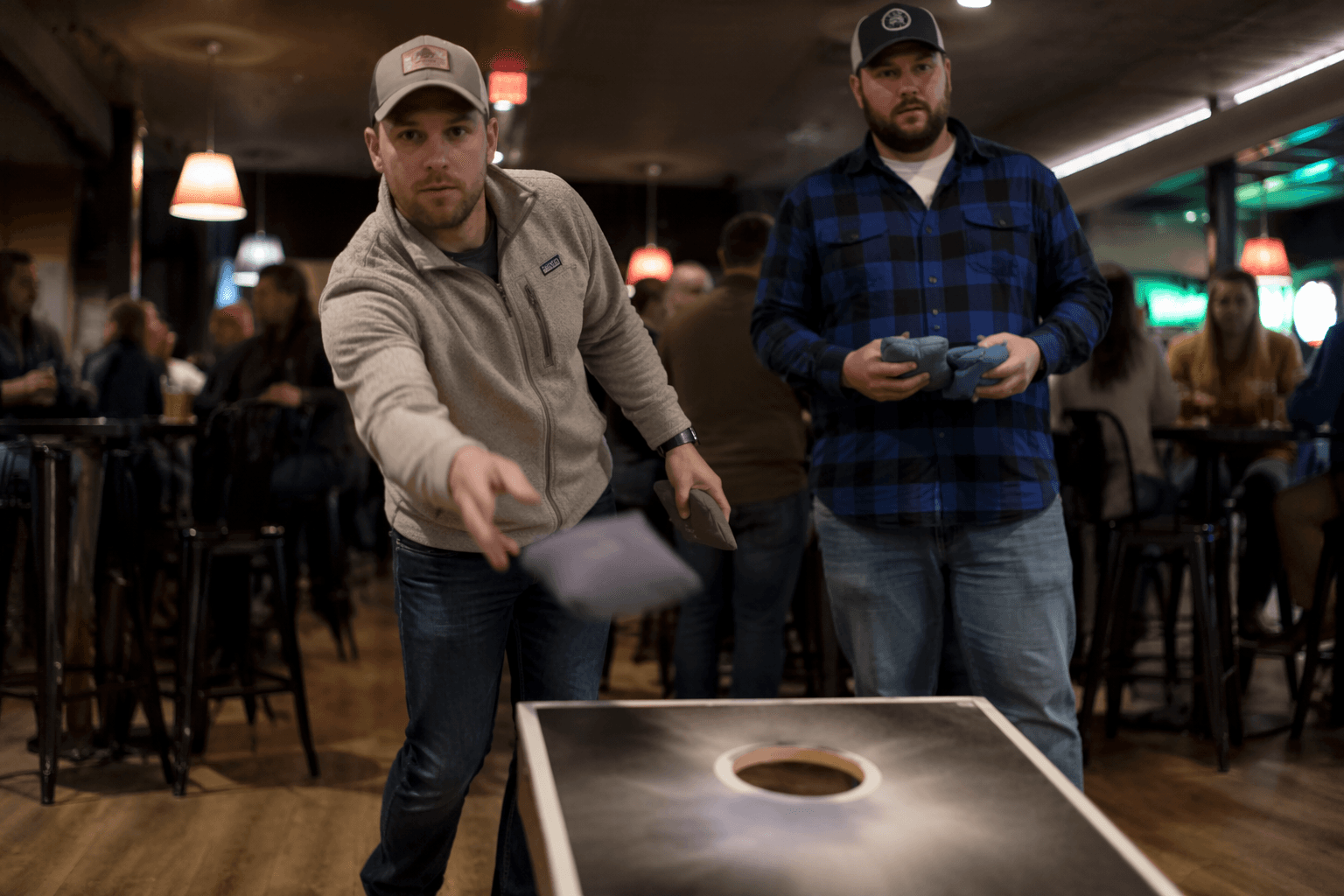
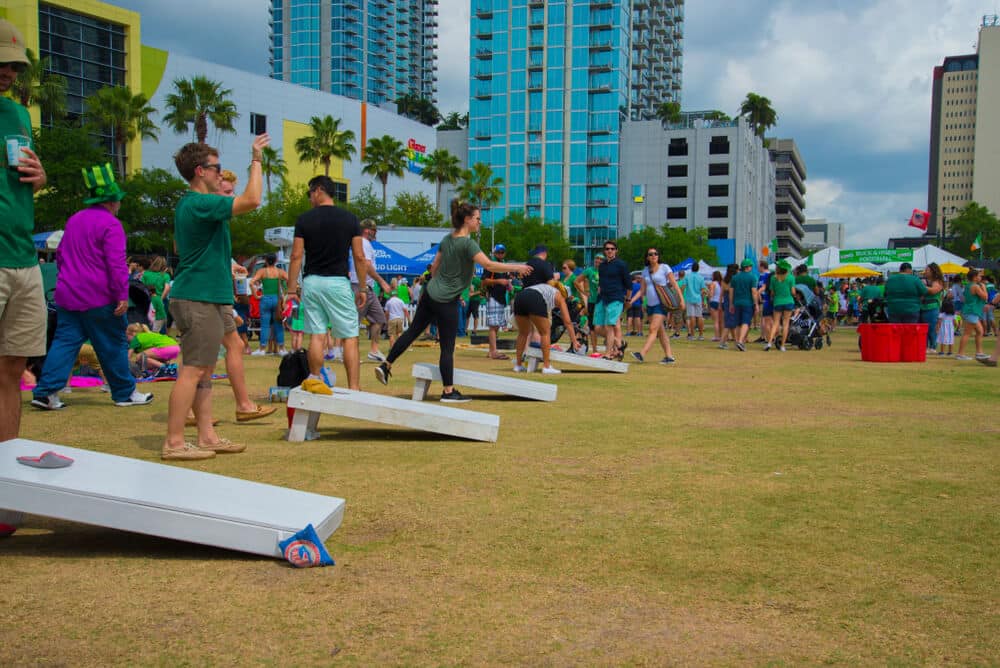
Special Olympics USA Games spotlight cornhole's national stage appeal
Cornhole’s USA Games debut gives the sport a bigger stage, with 3,000 athletes, Unified doubles and adjustable rules turning a backyard game into a national pathway.
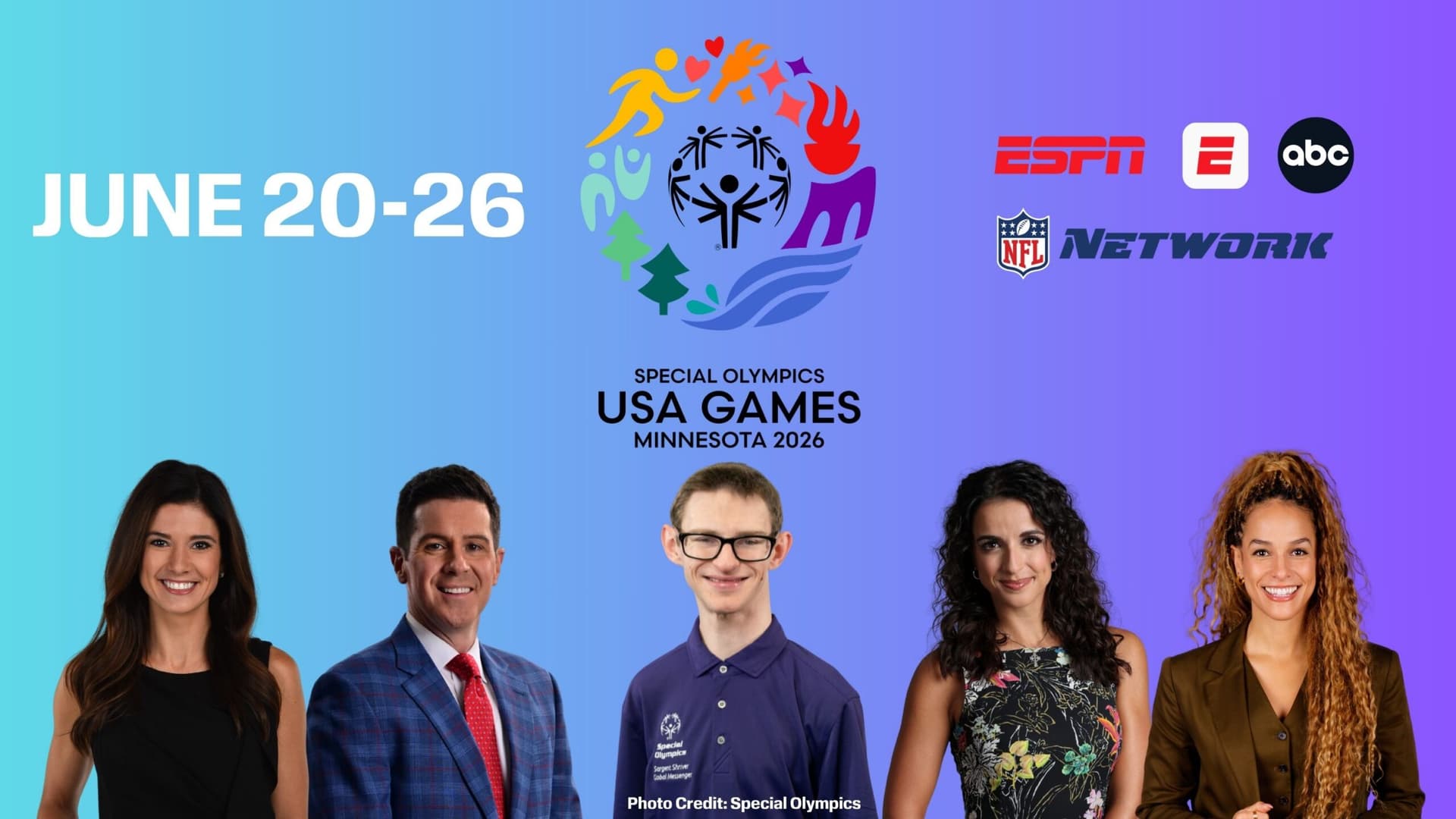
Cornhole’s arrival at the Special Olympics USA Games is the kind of debut that changes how a sport is seen. What used to read as a backyard staple now has a place on a national stage with 3,000 athletes, 1,500 coaches, 10,000 volunteers and 75,000 fans in Minnesota, and that scale gives the game a legitimacy it has never had before.
A debut that moves cornhole up the sports ladder
The 2026 Special Olympics USA Games ran June 20-26 across Minnesota, and cornhole was part of a 16-sport program that stretched across the Twin Cities region. Its competition window ran June 22-25 at the University of Minnesota Field House, with singles, doubles and Unified doubles on the schedule. That placement matters because cornhole did not show up as an exhibition tucked off to the side. It entered the same event structure as the rest of the Games, with medals on the line and the full machinery of a national competition behind it.
This is also cornhole’s first turn as an official Special Olympics USA Games sport after serving as a demo sport at the 2022 USA Games in Orlando. That jump from demonstration to medal sport is the clearest sign yet that the game has crossed from novelty into institution. Once a sport reaches that point, it stops being something people just try and starts becoming something athletes can prepare for, train in and build toward.
Why the fit is bigger than the boards
Joshua Brown and Logan Bronkema of the American Cornhole Association have been central to explaining why the sport belongs here. Brown says cornhole became official in 2003, and Special Olympics first reached out in 2021 to explore a partnership around rules and participation. That timeline shows the sport did not land in Minnesota by accident. It came after years of formalization, rule-setting and coordination between Special Olympics and the group that describes itself as cornhole’s original and official governing body.
The appeal is obvious once you look past the casual image of bean bags and folding boards. Brown’s point is that cornhole works because it can be played in a backyard, at a local event or on a national stage without losing its identity. He also notes that three or four generations can compete together, which is rare in organized sport and one reason cornhole travels so well inside Special Olympics. Few games can match that combination of accessibility, family reach and competitive structure.
How Special Olympics makes the game work
The rules show why cornhole adapts so cleanly to Special Olympics competition. Official Special Olympics rules say the first player or team to reach 21 points wins. Courts are a minimum of 40 to 45 feet long and 10 to 12 feet wide, and the foul-line distance can be set at 15 feet or 21 feet based on an athlete’s skill assessment.
That flexibility is not a shortcut around competition. It is the mechanism that lets the sport keep its precision while widening the field of who can play it seriously. Brown’s comparison is instructive here: the American Cornhole Association plays at 27 feet, while Special Olympics can shorten the throw as close as 15 feet. That adjustment changes the physical demand, but it does not erase the decision-making that makes cornhole a sport in the first place. Angle, pace and consistency still decide who controls the board.
Special Olympics says more than 4,800 athletes and Unified partners train and compete in cornhole each year, and that number explains why the USA Games debut carries real weight. A sport with that many participants already has a base; putting it on the Games stage gives that base a visible destination. Athletes can now point to the USA Games as a target, not just a local tournament or a one-off exhibition.
The competition format rewards preparation
The Minnesota schedule also showed that this was not a casual showcase. Singles, doubles and Unified doubles all had their own place in the bracket, and each format asks for a different kind of composure. Singles strip the game down to individual rhythm and shot-making. Doubles add teamwork and sequence management. Unified doubles bring athletes and Unified partners into the same competition structure, which broadens the sport’s reach without softening the competitive edge.
Joseph Schwabe’s team gives a sense of what the build-up demanded. His athletes lived 2.5 hours apart, yet they still spent 11 months preparing for the biggest stage in the event. That is the part that changes the story from inclusion symbolism to real athletic development. People do not spend nearly a year training across that kind of distance unless the stage matters and the sport has become worth investing in.
What the expansion means beyond Minnesota
The American Cornhole Association’s partnership with Special Olympics North America is built around more than one Games appearance. The ACA says the alliance is designed to develop and promote cornhole and to provide official equipment and starter kits for programs that want to launch participation. That is how a sport grows in practice: not just through medals and television shots, but through boards, bags, rules and coaches in more places.
Brown’s view of the sport helps explain why that model works. Cornhole already lives in ordinary spaces, which means the pathway from first throw to serious competition is short and intuitive. The Minnesota debut gives that pathway a finish line that did not exist before, and it does so in front of a crowd large enough to matter. In a sport built on repeatable skill and easy entry, the Special Olympics USA Games is not a novelty stop. It is a legitimacy marker, and for cornhole, that is the real win.
This article was produced by Prism’s automated news system from verified source data, official records, and press releases, then run through automated quality and moderation checks before publishing. The system is built and supervised by the people who set the standards it runs under. Read our full AI policy.
Did this article answer your question?