Army officer leads U.S. military CrossFit team in South Africa
Marie Docken’s fifth-place finish in Johannesburg left the U.S. Army Warrior Fitness Team four spots short of the Games, but the mission behind it is bigger than the podium.
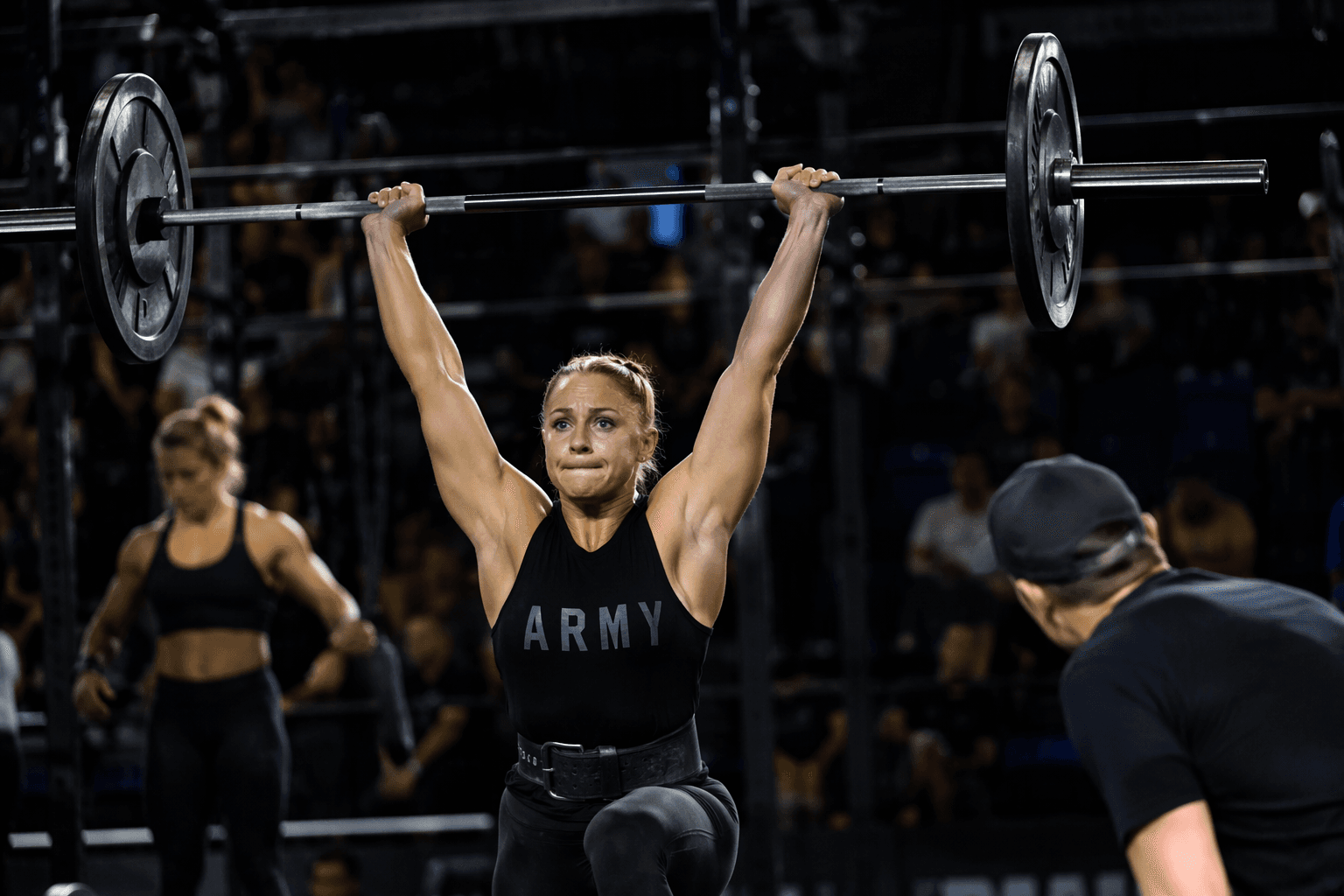
Army Capt. Marie Docken did not just show up in Johannesburg to chase a leaderboard line. The 27-year-old on the U.S. Army Warrior Fitness Team stepped into a four-day, nine-event CrossFit semifinal knowing the result would say as much about military readiness as it would about sport, and the finish did exactly that.
The Army team placed fifth at the Rebel Renegade Games CrossFit Semifinal in South Africa, four spots short of earning a berth in the 2026 CrossFit Games. That sounds like a near miss, and it is, but it also shows how far the Army’s functional-fitness project has come since the service first built the team as both a competition unit and a recruiting tool.
Why fifth place matters more than it looks
CrossFit’s semifinal round is not some side tournament. It is the final qualifying stage for the 2026 CrossFit Games, and the field is trimmed hard before teams ever get there. Athletes and teams have to come through the Open first, then survive the qualifying cutline, and in-person semifinal events only hand out limited Games spots, with some events giving just one team ticket.
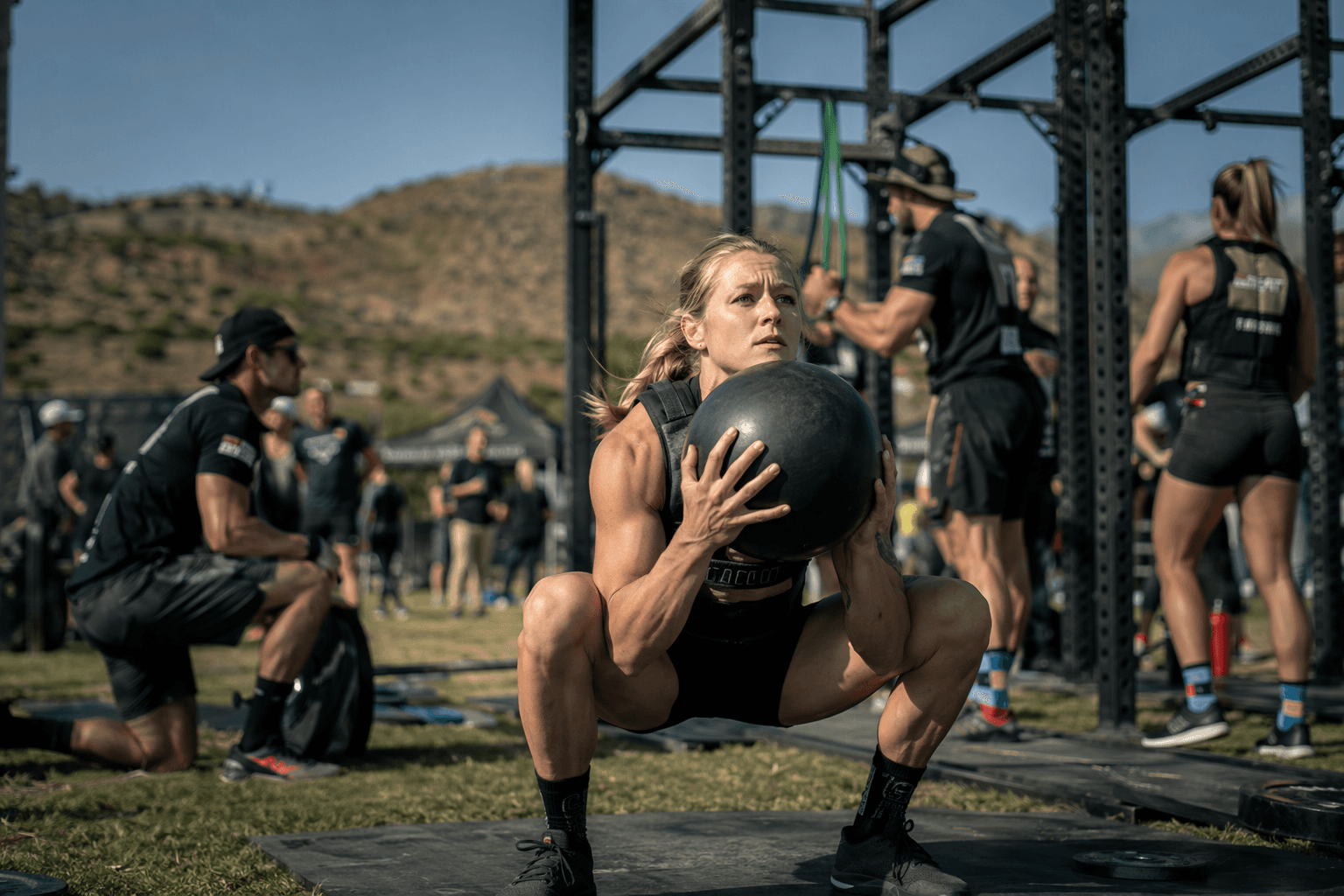
That makes the Army’s fifth-place finish significant in a very specific way: it was close enough to sting, but strong enough to prove the program belongs in the same conversation as established civilian teams. In Johannesburg, Docken and her teammates had to manage nine events over four days, a test of pacing, recovery, and consistency that mirrors the kind of repeated physical demands military athletes are built to absorb.
For a sport that rewards repeatability as much as raw power, fifth place is not noise. It is a signal.
Docken’s numbers show a real CrossFit profile, not a one-off appearance
Docken’s CrossFit athlete profile fills in the rest of the picture. She is listed as an affiliate of CrossFit Noble Defender, ranked 777th worldwide among women in the 2026 Open and 303rd in the United States. Her 2025 Team Semifinal result was 32nd, which tells you she has been moving through CrossFit’s competitive ladder, not dropping in for a single military showcase.
Those numbers matter because they show the Army captain is not operating outside the normal CrossFit ecosystem. She is inside it, with the same Open-to-Semifinal progression every serious team has to navigate. That makes her path different from a casual fitness story: the uniform is part of the identity, but the scoreboard is still earned the same way, through training volume, execution, and the ability to hold form when fatigue starts stripping athletes down.
That is where military service and CrossFit reinforce each other. The Army wants function, not decoration. CrossFit rewards function, not just aesthetics. Docken’s profile sits right at that intersection.
The Army built this team for more than medals
The U.S. Army Warrior Fitness Team was created in 2018, and the Army originally selected 15 Soldiers in November of that year. From the beginning, the team was described as a way to compete in functional fitness events around the world while also promoting Army career opportunities, which is a lot more strategic than simply sending athletes to chase podiums.
Early Army coverage made that intent obvious. In 2019, the team showed up at the Arnold Sports Festival and six of its athletes earned first place in the CrossFit Endeavor event. That was not just a good weekend on the floor. It was proof of concept for a broader outreach model, one that used performance to connect with young men and women who might never sit through a conventional recruiting pitch.
That is the part civilian CrossFit fans sometimes miss. A military CrossFit team is not just a branding exercise or a novelty roster. It is a public-facing extension of service culture, built to show that strength, discipline, and resilience are not abstract virtues inside the Army. They are measurable, and sometimes they are visible in a scoreboard finish.
What the Army is really teaching through functional fitness
The Army’s emphasis on functional fitness fits the sport better than a lot of people realize. CrossFit already values transferable capacity: the ability to sprint, lift, grind, and recover across multiple tests with little time to reset. Military life demands the same kind of versatility, only with higher stakes and less room for error.
That is why Docken’s semifinal run is more interesting than a standard athlete profile. Her competition routine is happening inside a service culture that prizes readiness, adaptability, and discipline, and the Army is smart enough to showcase that connection publicly. When an officer can step into an international field, work through nine events across four days, and help a military team finish fifth in a semifinal, that is not an accident. It is a reflection of how the Army wants to train, recruit, and present itself.
It also explains why the pathway is different from civilian CrossFit. Civilian athletes can build a season around their own gyms, sponsors, and individual ceilings. Military athletes like Docken are carrying a second identity: they compete for a team that is expected to represent the service as much as the sport. That makes every rep part performance, part signal.
The bigger lesson from Johannesburg
The Army’s fifth-place finish did not get the team to the 2026 CrossFit Games, but it did confirm something more durable. The military is no longer treating functional fitness as a fringe hobby on the edge of readiness culture. It is building programs around it, sending officers like Docken into elite competition, and using those results to show what disciplined training can look like when service and sport pull in the same direction.
That is the real story coming out of South Africa: not just that an Army captain competed, but that the Army now has a believable CrossFit pipeline. And in a sport where the margins are brutal, that kind of institutional buy-in can turn a near miss into the start of something larger.
This article was produced by Prism’s automated news system from verified source data, official records, and press releases, then run through automated quality and moderation checks before publishing. The system is built and supervised by the people who set the standards it runs under. Read our full AI policy.
Know something we missed? Have a correction or additional information?
Submit a Tip