CrossFit explains how exercise can reprogram gene expression
CrossFit’s epigenetics feature argues that training can leave marks far deeper than fitness, with repeated exercise shaping recovery, aging, and adaptation.
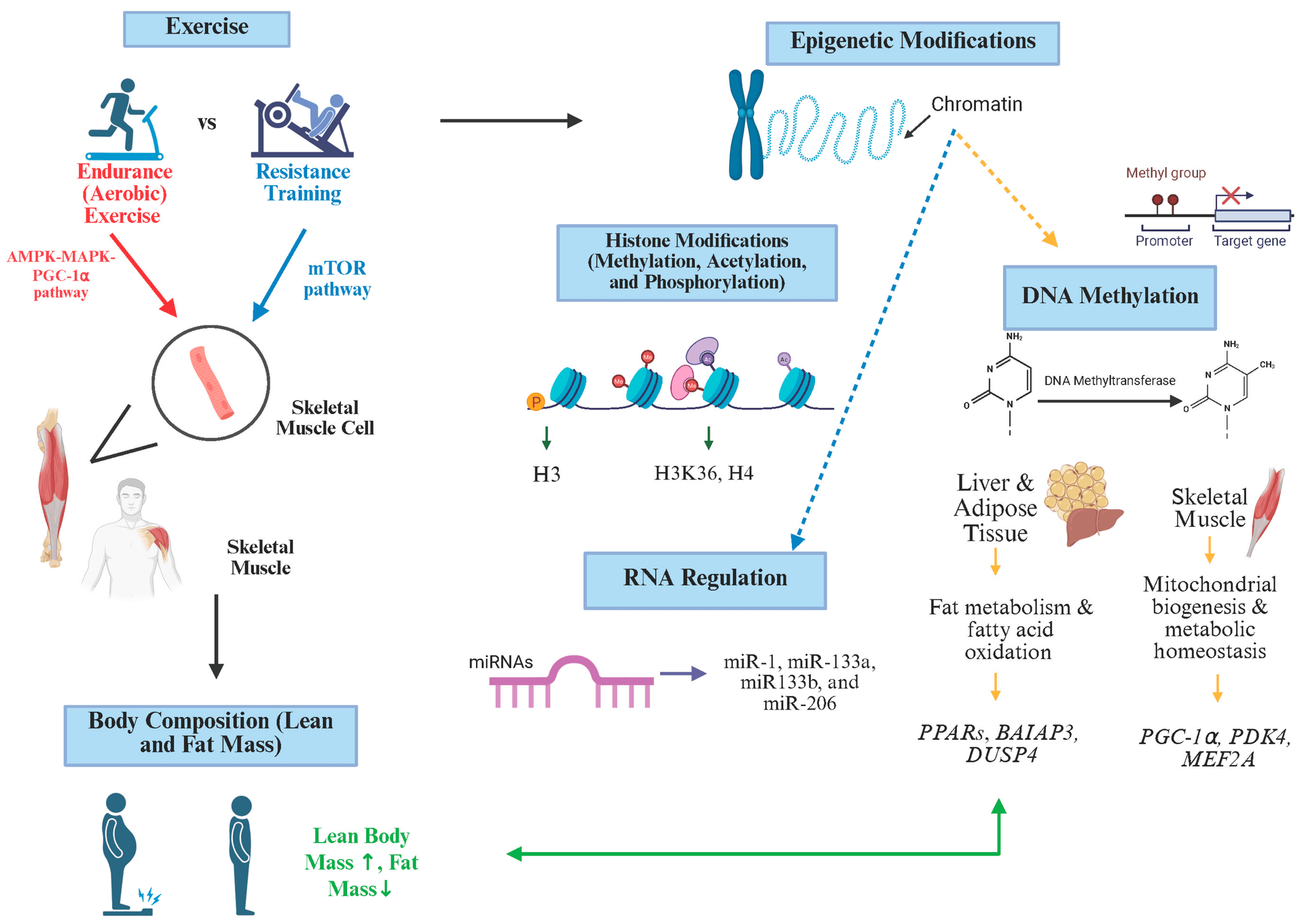
CrossFit is making a bigger claim than “work harder, get fitter.” The new epigenetics frame says exercise can influence how genes behave without changing DNA itself, and that matters because the body may remember training long after the session ends. For CrossFit athletes, that turns every workout into more than a test of output: it becomes a signal that can shape future adaptation, recovery, and resilience.
What epigenetics means in training terms
Epigenetics is the layer of control that tells genes when to turn up, turn down, or stay quiet. In practical terms, it is how eating, sleeping, stress, and movement can change gene expression without rewriting the genetic code itself. CrossFit’s argument is straightforward and powerful: exercise is one of the strongest signals the body receives, so the way you train can influence how your biology responds over time.
That matters because CrossFit is not built around a single repeated demand. Its official method is “constantly varied functional movements” executed at high intensity, and that blend of strength work, metabolic conditioning, and movement diversity creates repeated stress from different angles. Instead of teaching the body one narrow skill, it keeps asking for new adaptations.
Why one workout can matter more than it looks
The clearest evidence comes from Barrès and colleagues in 2012. In skeletal muscle biopsies taken from healthy sedentary men and women after acute exercise, whole-genome methylation fell, which is a sign that gene regulation shifted quickly. The study also found dose-dependent expression, along with promoter hypomethylation, of PGC-1, PDK4, and PPAR-, genes tied to energy metabolism and muscle adaptation.
That is the key practical point for competitive CrossFit athletes: the benefit is not only in the calories burned or the watts produced during the session. A hard effort can start a molecular response that helps the body manage fuel, stress, and recovery after the workout is over. The science does not say every workout permanently re-writes your biology, but it does show that a single bout of exercise can rapidly change gene regulation in human skeletal muscle.
Why CrossFit’s style may be a particularly strong stimulus
CrossFit’s value in this conversation is not just intensity. The methodology layers varied movement, load, and duration in a way that keeps the body from settling into one predictable pattern. That repeated variety may matter because the epigenetic response appears to be shaped by the kind of stress the body sees, not just by how tired you feel at the end.
Recent reviews extend the picture beyond muscle and into brain and cardiac tissue, suggesting that exercise-related epigenetic effects are not confined to a single organ. That broadens the CrossFit conversation in a useful way. When training is diverse and repeated over months and years, the potential impact is not only better performance in a workout, but also a deeper influence on adaptation systems that govern energy use, cardiovascular health, and even cognition.
What this means for masters athletes
This is where the story gets especially interesting for masters competitors. Aging changes the body’s ability to recover, adapt, and maintain muscle, but exercise appears to push back on some of those changes at the molecular level. In animal research, late-life exercise reduced skeletal muscle epigenetic age by about eight weeks, roughly 8% of the expected murine lifespan.
That does not mean a 45-year-old athlete can turn back the clock in a simple, direct way. It does mean the direction of travel is encouraging: training may help preserve biological responsiveness even later in life. For masters athletes, the lesson is not to chase chaos for its own sake, but to keep enough load, intensity, and variety in the week to give the body a reason to keep adapting.
Why heavy-volume competitors should pay attention
High-volume competitors live at the edge of the recovery curve, so the epigenetics angle matters for them too. If repeated exercise acts like a stream of instructions, then the quality of those instructions becomes critical. Good programming may help reinforce favorable adaptation signals, while poor recovery, chronic fatigue, and one-dimensional training may blunt them.
A few takeaways stand out:
- Repeated training appears to build long-term responsiveness, not just short-term fitness.
- Variety may matter because different stressors can activate different adaptation pathways.
- Recovery still counts, because sleep, food, and stress management are also part of the signal the body receives.
- The goal is not to “hack” genes, but to create the right training environment for sustained adaptation.
What is proven, and what is still emerging
The proven part is solid: acute exercise can change gene regulation in human skeletal muscle, and the 2012 Barrès study showed reduced whole-genome methylation after a workout, with specific genes involved in energy metabolism responding in a dose-dependent way. It is also well established that regular physical activity improves health outcomes, which is why the World Health Organization recommends adults do 150 to 300 minutes of moderate-intensity aerobic activity weekly, or 75 to 150 minutes of vigorous-intensity activity, plus muscle-strengthening work on two or more days each week.
The World Health Organization also reports that regular physical activity can reduce the risk of heart disease and stroke by 19%, diabetes by 17%, and depression and dementia by 28% to 32%. That public-health backdrop gives the CrossFit argument extra weight: the value of training is not limited to podium outcomes.
The more speculative part is the exact size and durability of “epigenetic memory” in humans. Reviews suggest that exercise-induced epigenetic remodeling may contribute to memory and long-term adaptation, and some skeletal muscle studies show effects that persist after detraining. But the field is still mapping how much of that persistence is real in day-to-day athletic life, how long it lasts, and how it differs across muscle, brain, and heart.
Why this matters for the sport
CrossFit was founded by Greg Glassman and Lauren Jenai in 2000, and the first CrossFit Journal article appeared on April 1, 2002. The epigenetics framing fits the original spirit of the sport: not just performance for a single workout, but broad adaptation that carries over into life. If exercise teaches the body how to respond better, then CrossFit’s mix of load, conditioning, and variation may be one of the most relevant real-world settings for that lesson.
The biggest takeaway is not mystical at all. Training does not merely reveal fitness, it helps build the biological machinery behind it. For masters athletes trying to age well and for heavy-volume competitors trying to recover fast enough to keep improving, that is not a side note. It is the point.
This article was produced by Prism’s automated news system from verified source data, official records, and press releases, then run through automated quality and moderation checks before publishing. The system is built and supervised by the people who set the standards it runs under. Read our full AI policy.
Know something we missed? Have a correction or additional information?
Submit a Tip