CrossFit honors Marine Jack Dempsey with Hero WOD Jack’s Triangle
Jack’s Triangle turns Brad Anderson’s tribute request into a 23-minute grinder: deadlifts bookend a 19-minute AMRAP built to punish fatigue and remember Marine Jack Dempsey.
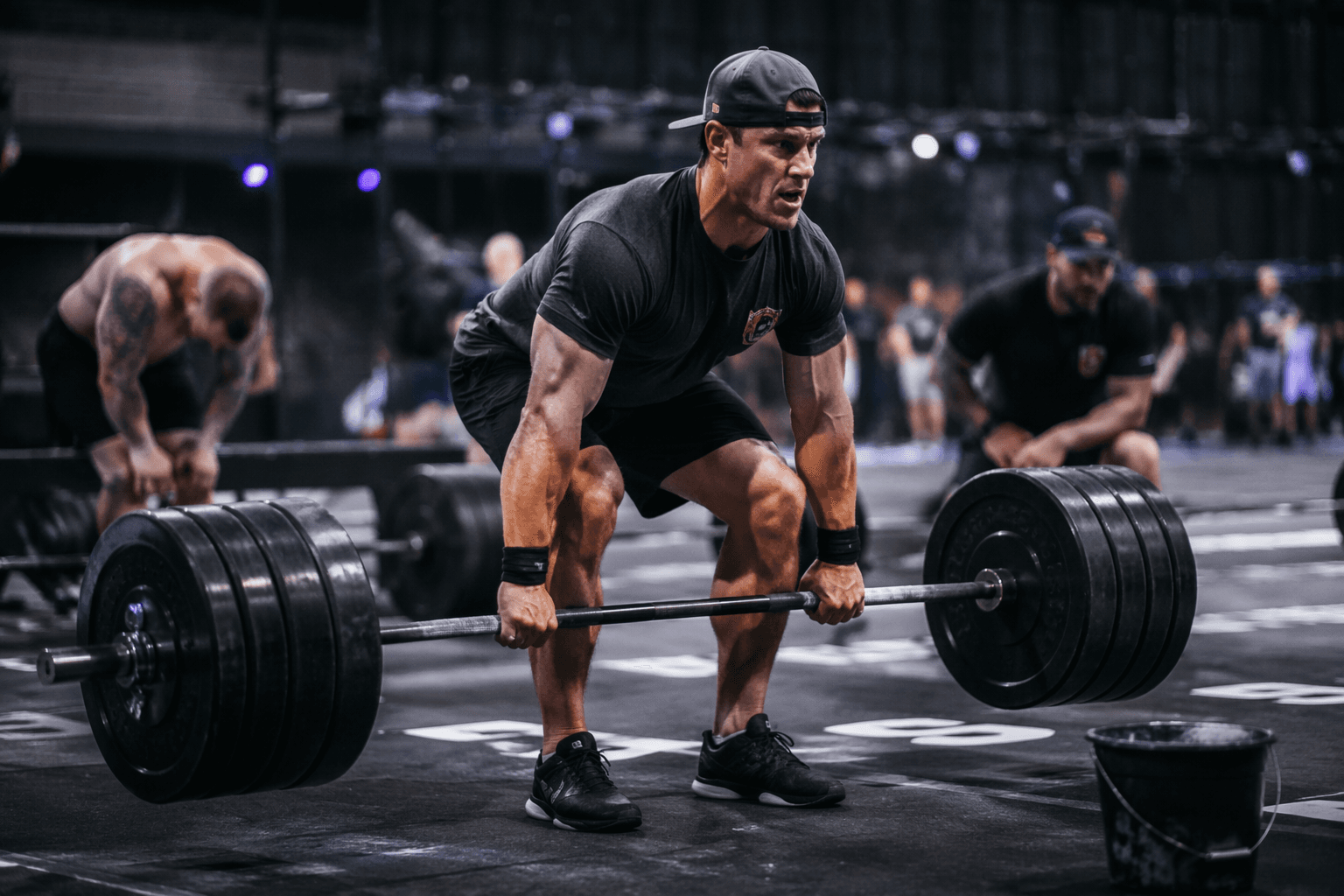
CrossFit posted Jack’s Triangle as the Workout of the Day on July 14, 2026, framing a 19-minute AMRAP between two max-rep deadlift windows. The structure forces you to work through fatigue the same way Hero WODs are meant to carry memory through effort.
A Hero WOD with a job to do
CrossFit has posted Hero workouts since 2005, and it defines them as tributes meant to honor the memories of service members who made the ultimate sacrifice. Jack’s Triangle is both a training piece and a memorial for Marine Cpl. Kevin “Jack” Dempsey, 23, of Monroe, Connecticut.
The category has never been limited to one branch or one kind of loss. CrossFit’s Hero archive now includes fallen military personnel, law enforcement officers, and first responders, and the site still offers a nomination form for new Hero workouts.
Who Jack’s Triangle honors
Dempsey served with the 2nd Reconnaissance Battalion, 2nd Marine Expeditionary Force, based at Camp Lejeune, North Carolina. He had been deployed in Iraq since September 2004 when he died on Nov. 13, 2004, from wounds sustained by an improvised explosive device during a reconnaissance foot patrol in Al Anbar Province, outside Abu Ghraib.
How the workout is built
The prescription is simple on paper but ugly in practice. It starts with two minutes of max-rep deadlifts, rolls straight into a 19-minute AMRAP of four strict pull-ups, 11 box jumps, 13 hand-release push-ups, and 23 calories on the bike, then closes with another two minutes of max-rep deadlifts.
There is no rest between the opening deadlift segment and the AMRAP. The opener is meant to spike posterior-chain fatigue, the middle is built to keep the heart rate high while the shoulders, trunk, and grip keep getting taxed, and the finish forces you to pull again when every rep feels slower than it should.
The prescribed loading is 155 pounds for women and 225 pounds for men, with 24-inch and 30-inch boxes. Those are not light numbers, and they are not supposed to be. The deadlifts anchor the piece in a way that makes the AMRAP more than a conditioning circuit: by the time you reach the second deadlift window, the barbell is exposing whether you conserved enough to keep moving or burned everything trying to stay ahead of the clock.
What the suffering pattern is supposed to feel like
Jack’s Triangle is a workout of bookends and drift. The first two minutes reward aggression. The middle 19 minutes punish anyone who chased the deadlifts too hard or let the bike get away from them. The final two minutes are the real test, because the workout has no technical reset and no built-in recovery.
The work is repetitive enough to be trackable, but the suffering is layered: deadlift to wall, wall to bike, bike back to pull-ups, and then back to the bar with fatigue already in the forearms and midline.
How CrossFit intends athletes to scale it
CrossFit posted an intermediate version that trims the bike to 15 calories and lowers the loading and box height to 135 pounds and a 20-inch box for women, and 185 pounds and a 24-inch box for men. The beginner version goes further: foot-assisted pull-ups, hand-elevated push-ups, and lighter deadlifts.
To preserve the Hero WOD stimulus, the briefing should be plain: keep the deadlifts crisp, keep moving on the AMRAP, and choose a version that lets athletes sustain unbroken intent rather than wrecking mechanics by round six.
- Build the first deadlift segment around repeatable sets, not a panic sprint.
- Preserve the no-rest transition so the workout still feels like one long effort.
- Keep pull-up and push-up standards honest, because sloppy reps erase the point of the middle segment.
- Scale the bike, box, and barbell so the athlete can keep pace for 19 minutes without turning the piece into survival mode too early.
For affiliates, the cleanest coaching cues are practical:
Why Brad Anderson’s story belongs inside the workout
The story starts with Brad Anderson, a Reconnaissance Marine in Iraq in 2003 and one of CrossFit’s earliest practitioners. He was using the methodology to train for combat before most people had ever heard of it, and he later asked CrossFit to create a Hero WOD for his friend Kevin “Jack” Dempsey.
He enlisted before Sept. 11, chose the Marine Corps because he wanted to be the best, went through the Recon pipeline, and then found CrossFit around 2003 to 2004, when military training, in his words, was not smart or periodized. The methodology resonated because it looked like preparation for actual work, not just gym numbers.
This article was produced by Prism’s automated news system from verified source data, official records, and press releases, then run through automated quality and moderation checks before publishing. The system is built and supervised by the people who set the standards it runs under. Read our full AI policy.
Did this article answer your question?