CrossFit podcast links high-intensity training to slower aging
CrossFit’s June 16 podcast argued that epigenetics, not just fitness, may explain slower aging, with Jose Ostaiza citing telomeres, mitochondria and inflammation.
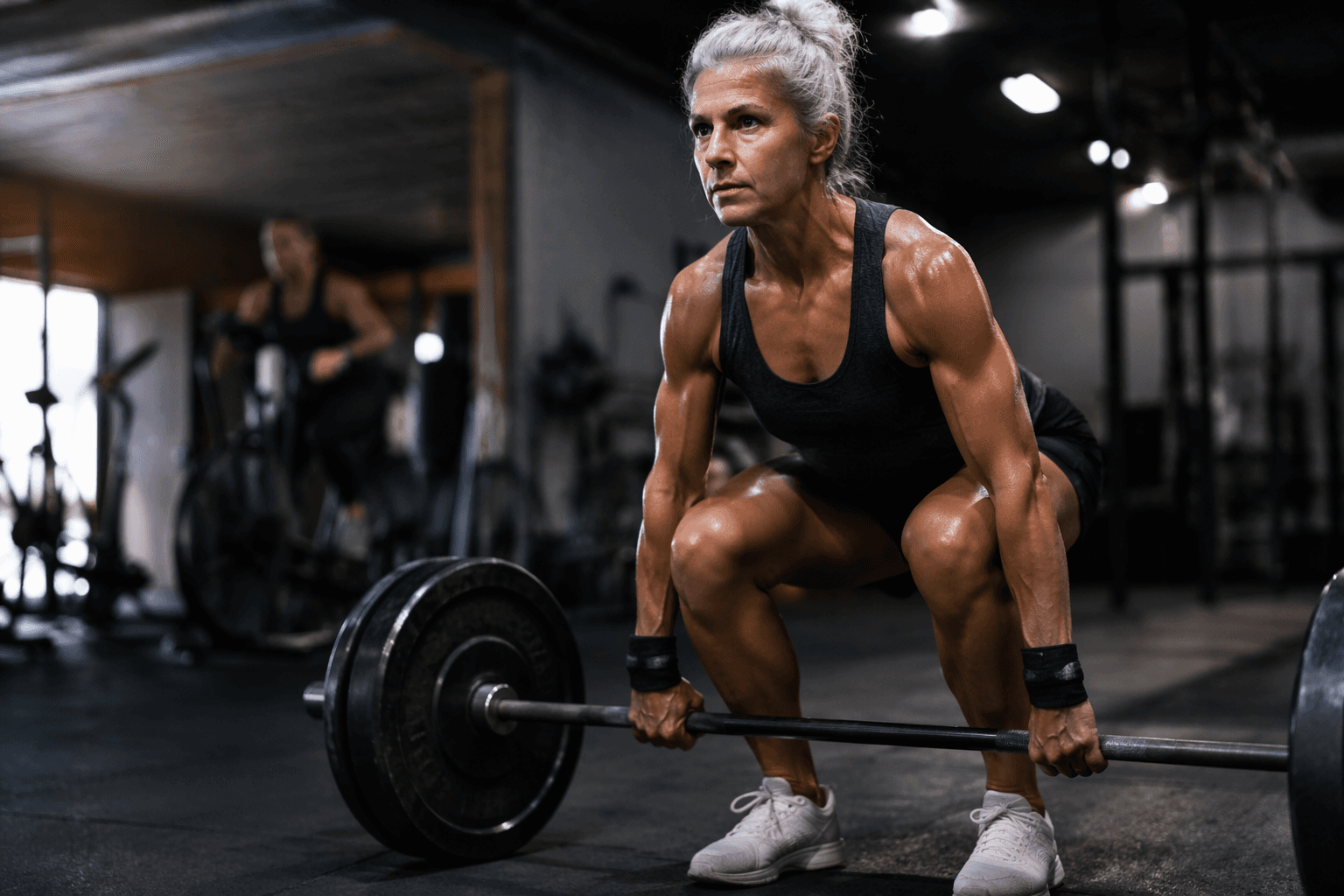
CrossFit made its longevity case as plainly as it could on June 16, putting physician, CrossFit Level 3 trainer and researcher Jose Ostaiza at the center of a podcast built around one question: how does training change aging at the molecular level? The show’s answer was direct. CrossFit said its method can alter the body through epigenetics, the science of how lifestyle influences gene expression, and argued that the payoff is not only better fitness in the affiliate but a different aging process.
That claim rests on mechanisms, and the episode leaned into several of them. Ostaiza pointed to high-intensity work as a way to support telomere repair, improve mitochondrial health, reduce inflammation and slow biological aging. CrossFit’s companion article, “Exercise and Epigenetics: A Molecular Framework for Adaptation, Aging, and Memory,” made the same broader point: repeated exercise exposure can act like instructions that shape energy production, stress response and long-term health. It also cited Barrès et al. (2012) for evidence that acute exercise can rapidly change DNA methylation in human skeletal muscle. That is meaningful support, but it is still a molecular pathway rather than a finished verdict on how long any individual athlete will live.

For masters athletes, the practical takeaway is less about chasing one more brutal workout and more about what CrossFit says its mix does best. The episode stressed that the method combines strength, cardio and high-intensity work in one package, instead of forcing athletes to choose a single adaptation. In training terms, that points toward a durable mix of lifting, conditioning and carefully managed intensity, with recovery doing as much work as the clock. CrossFit also tied health to nutrition, stress, sleep and social connection, a reminder that the aging conversation does not stop at the whiteboard.
The community segment gave the science a human frame. Tony Espejo, a former police officer and Marine veteran in Omaha, started a free soccer league for kids from rival neighborhoods in 2004. Six teams grew to more than 100 participants, and he later opened Kinship CrossFit in 2016 so kids and parents could train together. CrossFit Games lists Kinship CrossFit at 11922 Woolworth Ave. in Omaha, Nebraska, as a grassroots, non-profit fitness program for at-risk youth, and says volunteer police officers help teach and encourage classes.
That pairing of molecular language and neighborhood impact is the real story of the episode. CrossFit is not just selling harder training; it is arguing that consistent, varied work, supported by sleep, nutrition and community, can shape how people age.
This article was produced by Prism’s automated news system from verified source data, official records, and press releases, then run through automated quality and moderation checks before publishing. The system is built and supervised by the people who set the standards it runs under. Read our full AI policy.
Know something we missed? Have a correction or additional information?
Submit a Tip