CrossFit programming is built to make athletes harder to break
CrossFit’s programming is designed to force adaptation, not comfort. Hendel’s case for one-workout days and smart stress now points straight at San Jose.
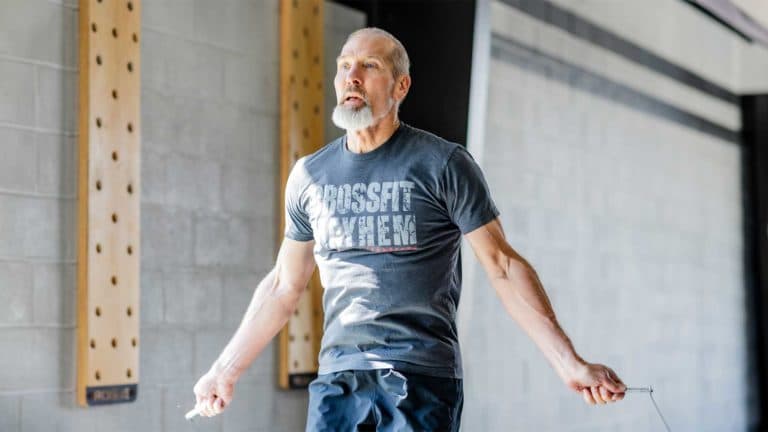
Spencer Hendel has spent nearly 20 years building workouts with a single purpose: make athletes harder to break. That is more than a catchy line in a philosophy essay. It is the logic behind how CrossFit programs, coaches, and ultimately tests fitness, from the affiliate gym floor to the 2026 CrossFit Games stage in San Jose.
What “harder to break” really means
Hendel’s argument starts with a simple correction to how outsiders often read a CrossFit workout. The point is not to scatter random movements together and hope fatigue does the rest. The real design is deliberate: choose movements, time domains, and standards that force adaptation, then put athletes in a moment of decision where they have to choose whether to keep moving, slow down, or stop.
That distinction matters because it shifts the conversation from suffering for its own sake to suffering with a purpose. Hendel frames CrossFit as a system built to expand both physical and psychological tolerance over time. The athlete is not just trying to survive a workout, but learning how to stay effective when the body is noisy, the clock is moving, and the margin for error is shrinking.
Why the 10- to 20-minute range matters
One of Hendel’s clearest claims is that his programming has long lived in the 10- to 20-minute window. That is where he believes meaningful adaptation tends to happen: long enough to hurt, short enough to require everything an athlete has.
That window is also where weaknesses tend to show up fast. A workout that lasts 10 to 20 minutes does not give an athlete the luxury of easing in for long, and it often exposes whether a score comes from real fitness or from a narrow strength. For competitors, that matters because these are the kinds of tests that can turn a heavy engine into a liability, or reveal whether a fast start can hold when the effort stops feeling fresh.
Hendel also emphasizes that the movements themselves are chosen to conflict with one another. In practice, that means the body has to shift, recover, and continue working under fatigue. The workout becomes a test of movement quality and decision-making at the same time, which is exactly why this style of programming carries such weight in a sport that rewards repeatability as much as peak output.

Technique still comes before intensity
Even in a sport famous for hard effort, Hendel’s message is not that intensity is everything. Technique still comes first, and that remains central to CrossFit’s identity. The order matters because good mechanics make intensity usable, while poor mechanics make intensity fragile.
That is where the sport’s competitive consequences become clear. Athletes who can maintain positions, rhythm, and standards under pressure are the ones who can keep scoring when the workout gets ugly. Athletes who chase speed without control often discover that one broken rep can become a cascade of broken movement, extra rest, and lost places on the leaderboard.
Hendel’s philosophy, then, is not simply “work harder.” It is “stay durable while working hard.” That is a different test entirely, and it is one reason CrossFit’s most successful programming often looks less like chaos and more like a carefully built stress test.
Less can be more
Hendel’s essay also lands on a message that runs against the grain of toughness culture: less is often more. He says many people can reach their goals and live better lives by doing one workout a day and respecting the work-to-rest balance. In his view, overuse and overtraining create too many injuries and burnouts.
For a sport that celebrates volume and relentlessness, that is an important corrective. Sustainability is part of performance, not a compromise from it. The athlete who can train well across months and seasons has an edge over the athlete who wins the Tuesday workout and disappears by Thursday.
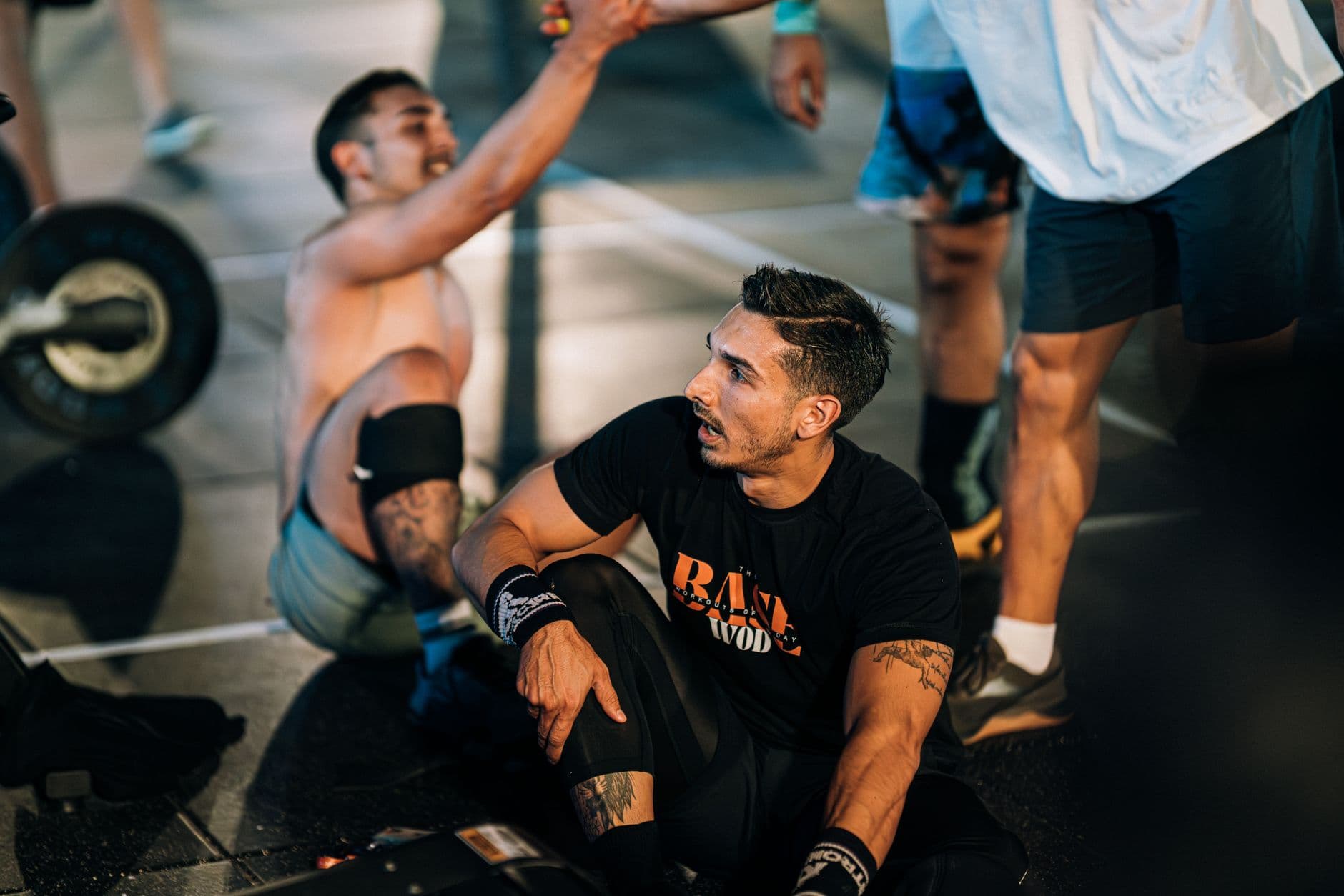
That idea has direct implications for elite preparation. A smarter workload can preserve the athlete’s ability to express power, skill, and intensity when it counts. It also helps explain why CrossFit programming is not just about creating fatigue, but about teaching athletes how to recover from it and come back ready for the next bout of work.
CAP turns the philosophy into a system
Hendel’s essay sits inside a larger CrossFit structure: CrossFit Affiliate Programming, or CAP. CrossFit says CAP is included in the yearly affiliation fee and provides data-driven programming, class plans, daily coaching development tools, and logistical support for affiliates. The support materials also describe programming tracks, lesson plans, workout tracks, supplemental work, and platform integrations.
That matters because it shows this is not just one coach’s theory on hard training. It is a standardized system that shapes what affiliates teach every day. CrossFit’s CAP FAQ says workouts are released every Friday, two weeks in advance, giving coaches a planned runway instead of a scramble to improvise.
The practical effect is bigger than convenience. When programming is organized and repeatable, coaches can better manage load, teach movement, and create the kind of progression that builds athletes instead of merely exhausting them. Hendel’s philosophy works because CAP gives affiliates a way to apply it with structure.
The voices behind the model
The credibility behind CAP also comes from the people who built it. CrossFit said in 2021 that CAP was developed by Austin Malleolo, James Hobart, and Spencer Hendel, and described the trio as having trained more than 20,000 coaches, appeared in 24 CrossFit Games, and led five gyms.
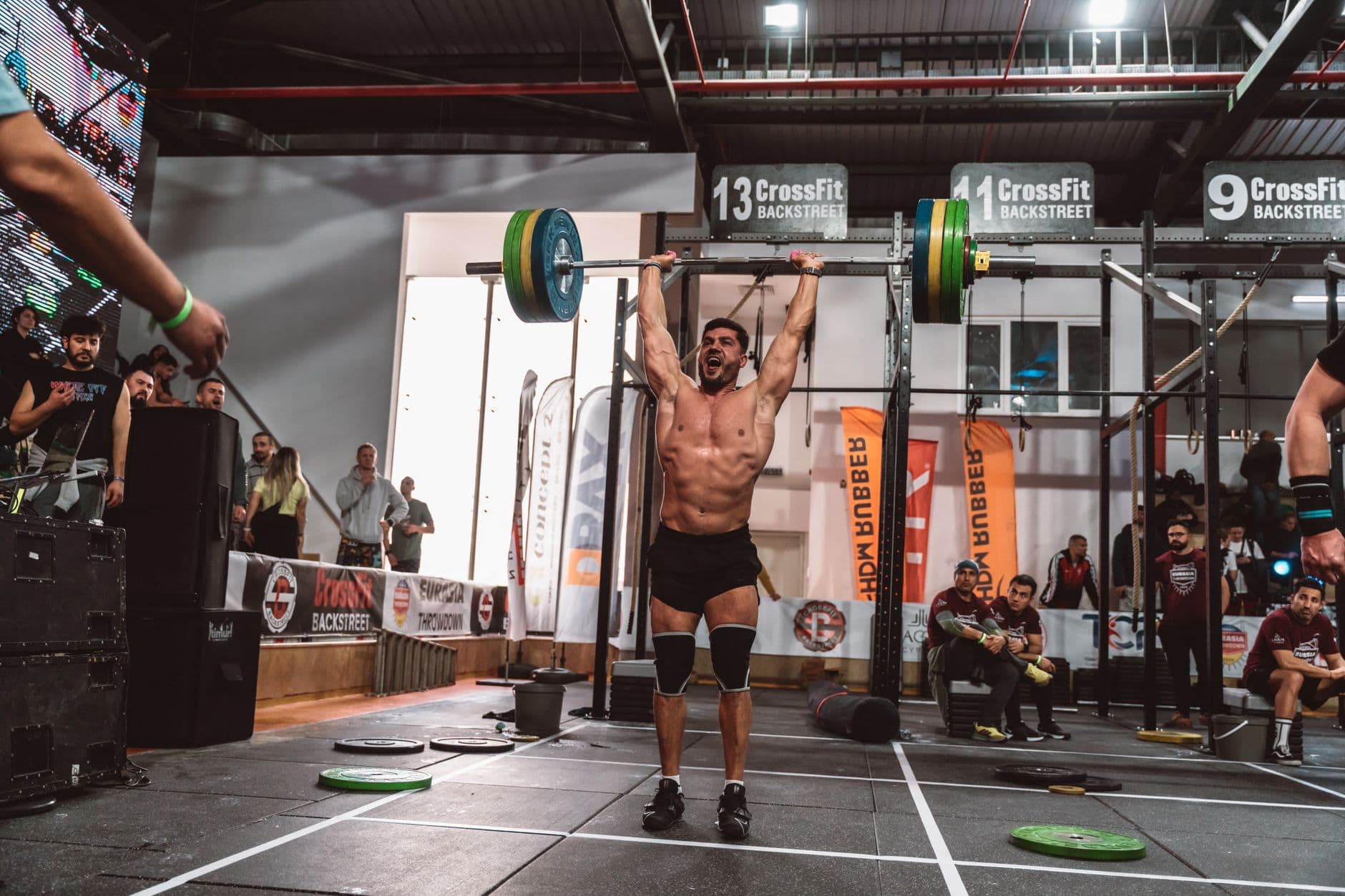
That matters because CrossFit has always valued practitioner credibility. These are not outside consultants translating sport into business language. They are people who have lived the training, the coaching, and the competition side of the system. Hendel, in particular, brings an athlete’s eye to a coach’s platform, which is why his writing reads less like abstraction and more like field-tested doctrine.
His competition record reinforces that. CrossFit lists Hendel as an eight-time individual CrossFit Games veteran, with appearances in 2009 through 2012 and again from 2015 through 2018. CrossFit also notes that he missed qualification by one place in both 2013 and 2014, a reminder of how fine the margins are at the top of this sport.
Why this matters for San Jose
The programming conversation arrives as the sport builds toward a major checkpoint. The 2026 CrossFit Games are scheduled for July 24-26, 2026, at the SAP Center in San Jose, California, and CrossFit says 30 men, 30 women, and 20 teams will compete.
That field size sharpens the stakes. With fewer paths to the floor, every test matters more, and the kind of programming Hendel describes becomes even more consequential. If CrossFit wants athletes who can hold together under repeated stress, then the season has to keep exposing the weaknesses that matter: pacing, durability, movement quality, and the ability to make the right decision when fatigue starts to bargain.
That is why Hendel’s essay lands as more than a defense of hard training. It is a blueprint for how CrossFit thinks about competition itself. The sport is not trying to find who can suffer the loudest for one workout. It is trying to find who can keep moving, keep thinking, and keep performing when the work stops being comfortable, because that is where the best athletes separate from the merely fit.
This article was produced by Prism’s automated news system from verified source data, official records, and press releases, then run through automated quality and moderation checks before publishing. The system is built and supervised by the people who set the standards it runs under. Read our full AI policy.
Know something we missed? Have a correction or additional information?
Submit a Tip