CrossFit reframes fitness as a sickness-to-wellness continuum
CrossFit is pushing athletes to measure fitness as health, not just performance. The sickness-wellness-fitness continuum turns blood work, recovery, and longevity into training targets.
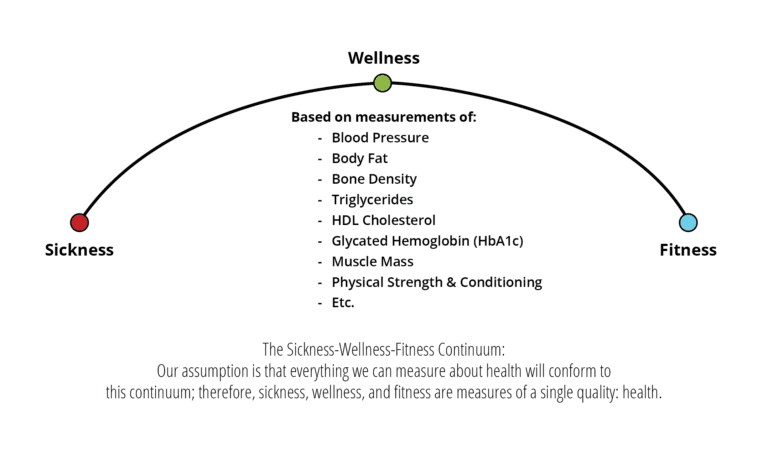
CrossFit’s latest turn back to the sickness-wellness-fitness continuum is not nostalgia. It is a reminder that the best numbers in the gym do not automatically mean the body is moving in the right direction. Seminar Staff Head Trainer Jenn Hunter-Marshall frames fitness as a state of super-wellness, which makes the model far more practical than philosophical for anyone tracking performance, recovery, and durability.
That matters in competitive CrossFit because the sport rewards output, but the continuum asks a harder question: what is that output doing to the rest of the system? CrossFit has kept this model alive since its early educational material, and the point is unchanged. Performance and health are linked, measurable, and worth watching together.
What CrossFit means by the continuum
Hunter-Marshall’s explanation sits inside the fourth part of CrossFit’s six-part What Is Fitness series, and it revisits one of the brand’s foundational ideas. In CrossFit’s language, the sickness-wellness-fitness continuum is not a slogan for general well-being. It is a framework that places health on a sliding scale, with sickness at one end, wellness in the middle, and fitness as a higher expression of wellness.
That framing dates back to the brand’s earliest journal-era work in 2002, when Greg Glassman first defined fitness and described body functions as existing in pathological, normal, and exceptional states. CrossFit’s Level 1 Training Guide keeps that heritage intact. The guide is a collection of CrossFit Journal articles written since 2002, primarily by Glassman, which places the continuum inside the official education system that has shaped generations of coaches and athletes.
For competitive athletes, that history matters because the model was never meant to be a side note. It has long been one of CrossFit’s core ways to think about fitness, alongside physical skills, metabolic pathways, and the hopper model.

The metrics CrossFit wants athletes to track
The real power of the continuum is that CrossFit attaches it to concrete markers. Blood pressure, body-fat percentage, heart rate, glycated hemoglobin, and mental health all show up as examples of metrics that can move toward sickness or toward wellness depending on training and lifestyle. That means the framework reaches well beyond workout scores, leaderboard rank, or Open finishes.
CrossFit’s older foundational writing makes the same point in a broader register. It listed blood pressure, cholesterol, heart rate, body fat, muscle mass, flexibility, and strength as body functions that can exist in pathological, normal, and exceptional states. In other words, CrossFit has spent years arguing that health is not a binary pass-fail judgment. It is a spectrum, and the athlete who can do more in the gym is not automatically healthier everywhere else.
That distinction is especially relevant for serious CrossFit followers who watch training blocks, not just event results. A rise in conditioning can be real progress, but if blood pressure, body composition, recovery, or mental health deteriorate at the same time, the athlete may be moving away from the very fitness CrossFit says it wants to build.
Why this changes how elite athletes should train
The continuum gives competitive athletes a useful filter for programming decisions. It says that training, diet, sleep, and stress management are not separate conversations from performance. They are the machinery behind it. CrossFit’s nutrition training guide spells that out directly, saying that quality foods can push health markers away from sickness and toward wellness on the continuum.
That is more than a nutrition slogan. It is a performance principle. If food choice can shift markers toward better health, then recovery and body composition are not just aesthetic concerns, they are part of the athlete’s competitive base. The same logic applies to the way athletes manage intensity. The goal is not only to look fit on a test day, but to build a body that can sustain capacity over time.
Hunter-Marshall pushes that idea further by saying fitness gives athletes a great margin of protection against the ravages of time and disease. For elite competitors, that is a reminder that the work in the gym should preserve future output, not mortgage it for a short-term score.
Why CrossFit is reasserting the idea now
CrossFit’s June 13 media-library entry sharpens the message even more. It calls fitness “insurance for tomorrow” and urges readers to build a 20-year buffer so one fall or one accident does not end their story. That language is blunt, but it fits the company’s larger shift toward healthspan and resilience, not just output.
The timing also matters. The World Health Organization said in June 2024 that nearly 1.8 billion adults, or 31 percent of adults worldwide, did not meet recommended physical-activity levels in 2022. The Centers for Disease Control and Prevention and County Health Rankings & Roadmaps both continue to link inactivity with chronic disease risk and shortened life expectancy. Against that backdrop, CrossFit’s insistence that someone can be incredibly fit and still unhealthy feels less like branding and more like a warning.
That is why the continuum still has value for serious CrossFit readers. It is not there to replace performance metrics. It is there to prevent them from becoming the only thing that matters.
What it means for competitive CrossFit today
For athletes chasing regional depth, Games-level efficiency, or simply better season-long consistency, the continuum changes the questions worth asking. Did the training cycle improve body composition, heart rate, and glycated hemoglobin, or only the score on the whiteboard? Is the athlete getting fitter in the CrossFit sense, or merely better at tolerating strain for a short window?
CrossFit’s current media push suggests the brand wants that question front and center again. Recent programming and health-focused material in the media library has emphasized scaling, back pain, intensity, and trauma recovery, while the June 14 copy kept circling the same idea: fitness should protect against aging and decline, not just produce a personal record. That is a meaningful signal for competitive athletes, because it redefines progress as something broader than speed and load.
The continuum still matters because it gives CrossFit a way to judge success with more than one scoreboard. If training improves performance but pushes health markers in the wrong direction, the work is incomplete. If it strengthens the body, steadies the mind, and extends the athlete’s competitive lifespan, then the model is doing exactly what CrossFit has claimed since the beginning.
This article was produced by Prism’s automated news system from verified source data, official records, and press releases, then run through automated quality and moderation checks before publishing. The system is built and supervised by the people who set the standards it runs under. Read our full AI policy.
Know something we missed? Have a correction or additional information?
Submit a Tip