CrossFit says stop asking what muscles this works
The better CrossFit question is not what burns. It is what builds, and that shift changes coaching, scaling, and long-term progress.
The fastest way to get a CrossFit workout wrong is to reduce it to a body-part checklist. In CrossFit’s May 6 essentials article, “You’re Asking the Wrong Question at the Gym,” the company pushes back on the habit of asking, “What muscles does this exercise work?” because that line of thinking can steer training away from better movement.
The question that changes the workout
CrossFit’s point is simple but sharp: if you only chase a muscle target, you can miss the real value of the movement. Training is not supposed to be a scavenger hunt for the sorest body part; it is supposed to build the way you move, lift, stabilize, and live. That is why the article’s core line lands so cleanly: “When you train for function, the form takes care of itself.”
That is not a slogan for the wall. It is a coaching principle. Good positions, good range of motion, and good mechanics are not the afterthoughts of good training. They are the thing that makes the stimulus worth chasing in the first place. Once you think that way, the question changes from “What does this hit?” to “What does this improve?”
Think movement pattern, not body part
CrossFit has been making this argument for years through its definition of the methodology: “constantly varied, functional movements executed at high intensity.” That definition matters because it tells you what kind of fitness CrossFit is after. Functional movements are not gym-only tricks built to isolate a single muscle. CrossFit describes them as natural movements found in human behavior, the kinds of patterns people use in real life when they stand, squat, lift, carry, and move objects through space.
That is why the article’s message is so useful for everyday training decisions. A squat is not just for quads. A deadlift is not just for hamstrings. A burpee is not just for the chest or triceps. Each one is a pattern, and each pattern carries a purpose. The best question is not which muscle got touched first. It is whether the movement trains coordination, stability, and output in a way that transfers.
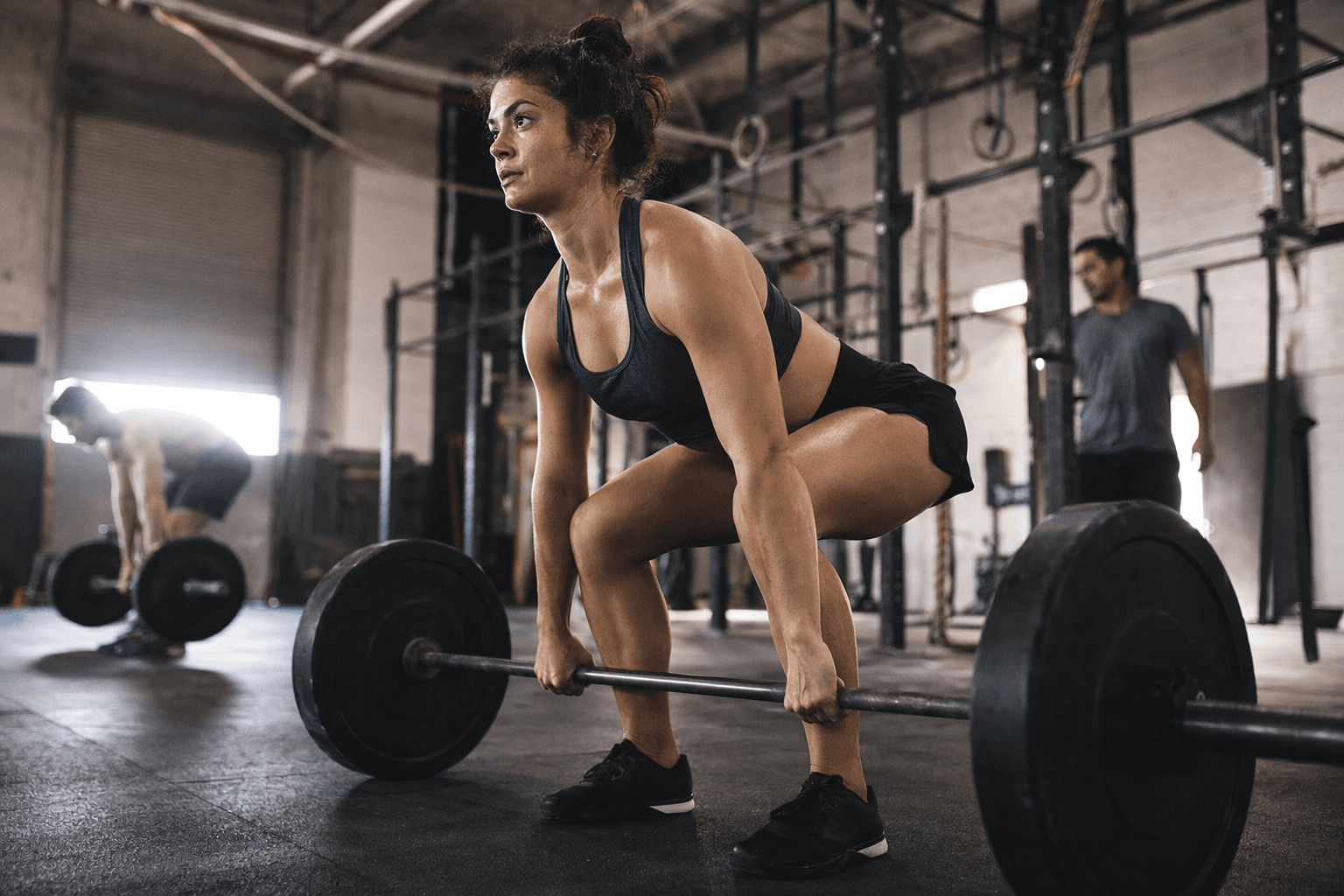
A few familiar examples make that shift obvious:
- An air squat builds the ability to sit into depth, keep the torso organized, and stand under control.
- A deadlift teaches bracing and force transfer from the floor, which is why it shows up so often in CrossFit programming.
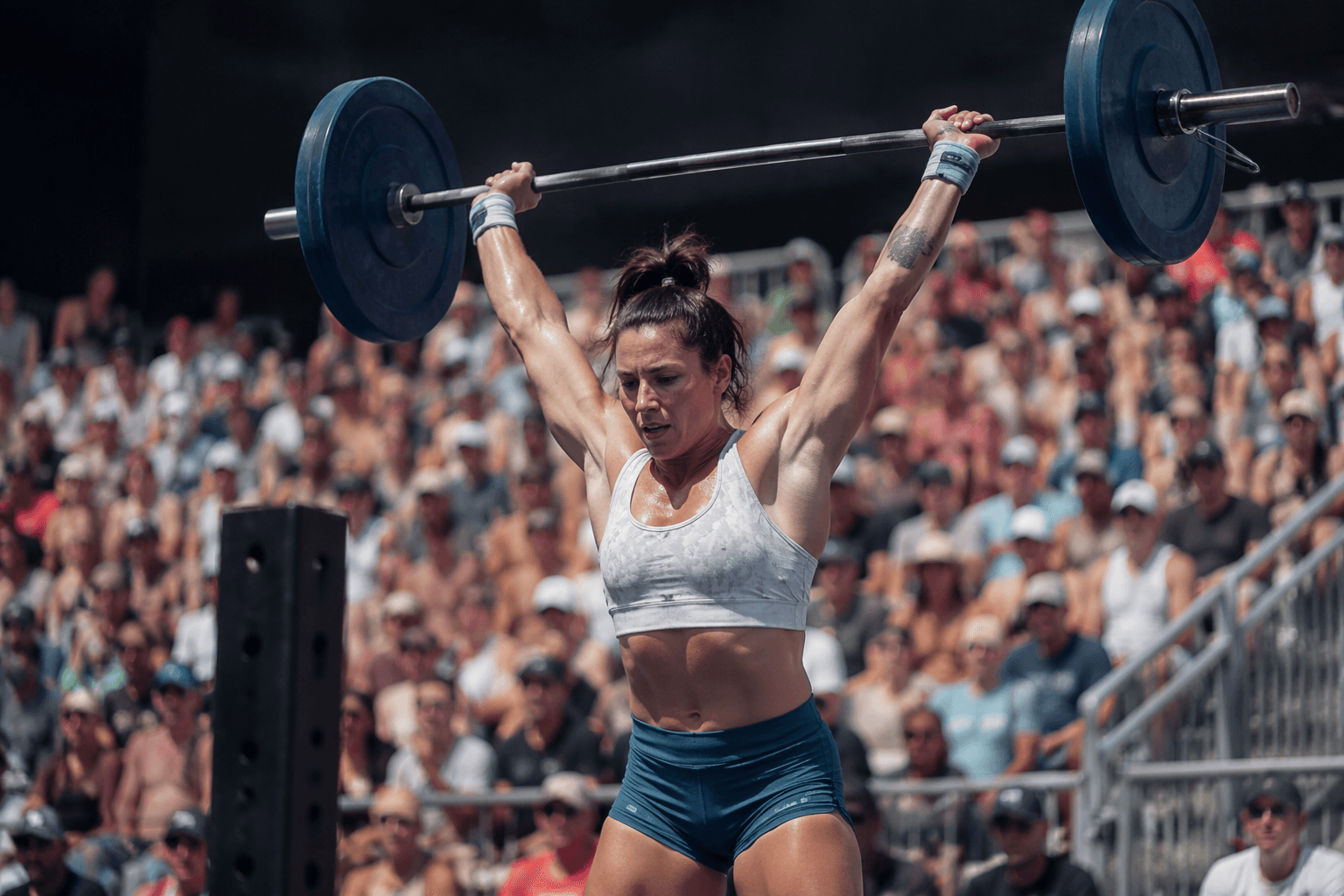
- A thruster connects a squat to an overhead drive, so the target is not one muscle group but the ability to produce work continuously.
- A pull-up is about controlling the body as a unit, not just chasing a lat burn.
Seen that way, the workout becomes more honest. You are not training for a sensation. You are training for a result.
What better coaching cues look like
This mindset changes coaching in the room as much as it changes exercise selection. If the goal is function, then the cue is not “feel this in your arms” or “target your chest.” The cue is usually about position, timing, and quality: stack the ribs, keep the midline tight, hit full depth, drive through the heels, keep the bar close, or finish tall.
That approach matches the way CrossFit says it coaches movement. The idea is to protect the movement pattern first, then let intensity express itself through that pattern. A scalable variation is not a downgrade when it preserves the intended stimulus. It is the right answer when it keeps the athlete moving well enough to train the actual task.
This is where the article’s logic becomes practical for affiliate classes. If a new athlete cannot hold a full-depth squat, the issue is not which muscle is underworked. The issue is whether the pattern is there yet. If a pull-up is not available, the fix is not to wonder which back muscle the athlete needs more of. The fix is to find the progression that keeps the movement honest and the training transferable.
Why functional work pays off
CrossFit also argues that functional movements help people do more work in less time because they recruit as much muscle as possible. That is a big reason the methodology has stayed centered on whole-body tasks instead of isolated-body-part work. The body works as an integrated system, and CrossFit’s framework leans into that reality rather than pretending otherwise.
The company has tied that idea to a larger fitness mission for years. It says its methodology is built to produce broad, general, and inclusive fitness, and it frames the needs of athletes and grandparents as differing “by degree, not kind.” That line gets at the heart of the mindset shift. The scale changes, the load changes, the speed changes, but the underlying need is the same: move well, move often, and build capacity that carries over.
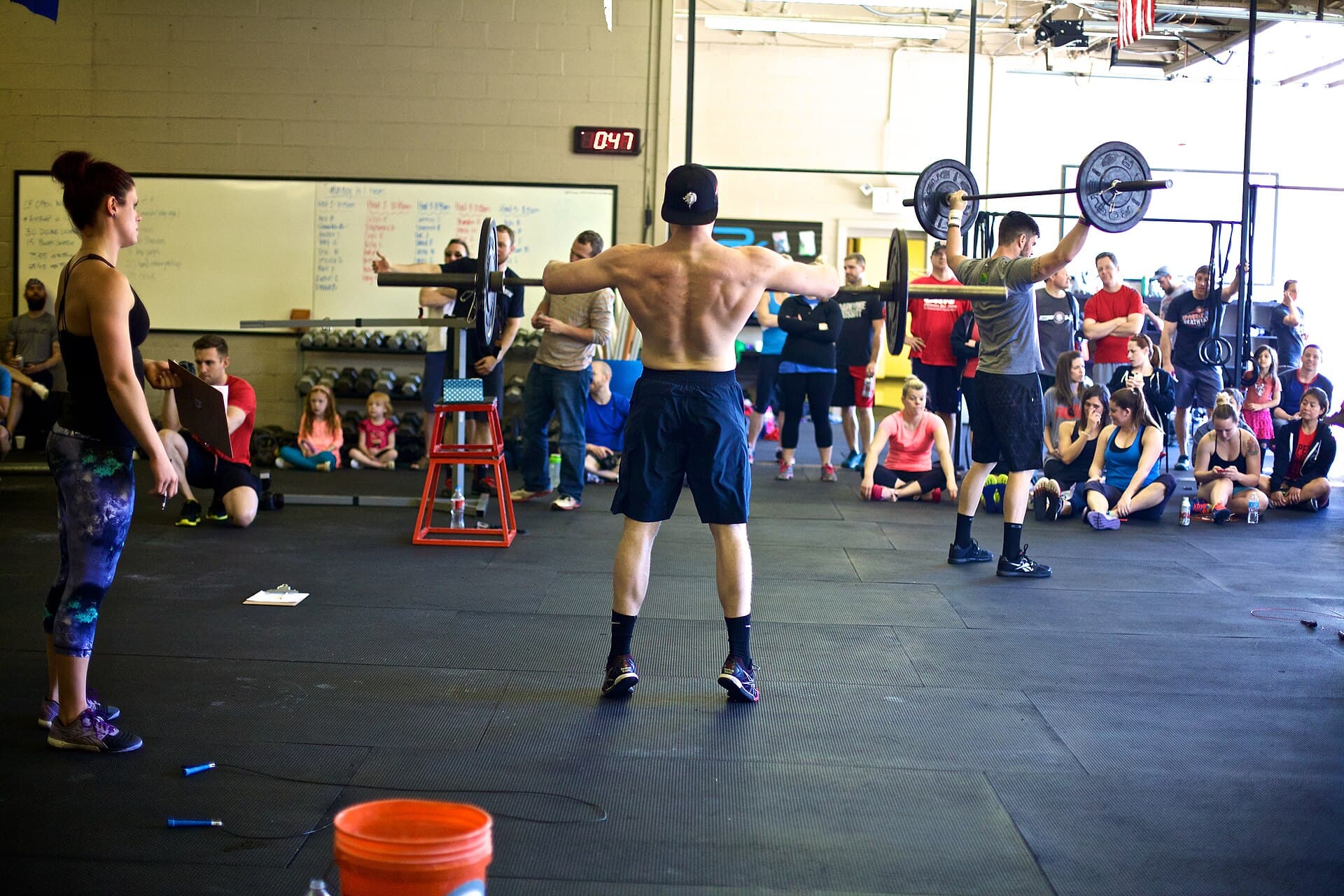
That is also why the article fits CrossFit’s broader coaching ethic so well. The lean, athletic look people associate with the sport is treated as a byproduct of hard, functional work, not the main objective. Chase the wrong target, and you can build a program that looks precise on paper but fails in practice. Chase function, and the outcome tends to take care of itself.
The system behind the philosophy
This is not a one-off opinion piece. It sits inside a system that CrossFit has spent years building and refining. The CrossFit Level 1 Certificate Course is the base requirement for anyone wishing to train others in CrossFit, and CrossFit says more than 300,000 athletes have taken it since 2008. That matters because it shows how deeply the movement-first message runs through the coaching pipeline.
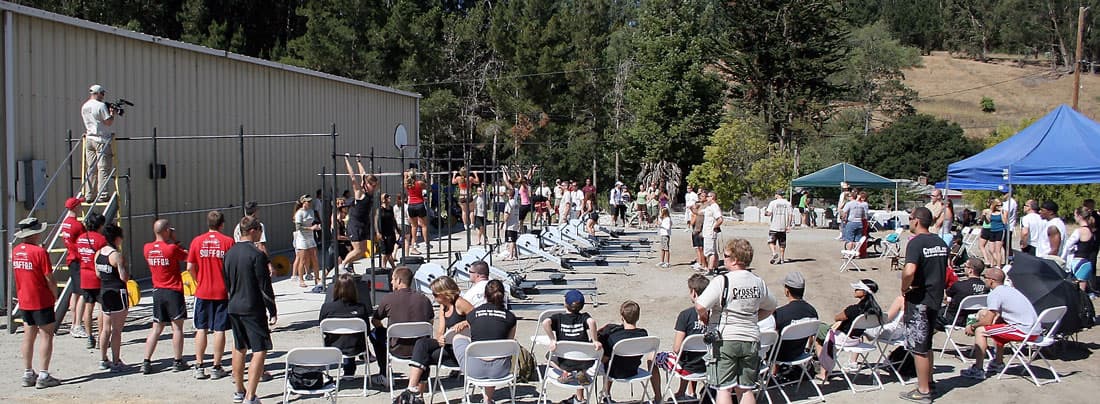
The same philosophy is visible in the sport itself. The CrossFit Games began in 2007 at The Ranch in Aromas, California, and CrossFit says the Games have evolved every year since then to test fitness more comprehensively. That evolution reflects the same idea behind the article: fitness is bigger than one muscle, one lift, or one aesthetic. It is the ability to perform a wide range of tasks under real demands, with measurable and repeatable results.
Greg Glassman helped define the original framework, and Dave Castro’s Games era pushed the testing side of that framework into harder, broader terrain. The throughline has stayed the same. CrossFit is still asking athletes to think in patterns, not parts.
That is why the best answer in the gym is rarely “biceps,” “glutes,” or “shoulders.” The better answer is whether the movement builds useful capacity, preserves quality, and transfers outside the whiteboard. That is the CrossFit mindset shift in its purest form, and it is the one that keeps producing better training decisions, one rep at a time.
This article was produced by Prism’s automated news system from verified source data, official records, and press releases, then run through automated quality and moderation checks before publishing. The system is built and supervised by the people who set the standards it runs under. Read our full AI policy.
Did this article answer your question?