CrossFit’s benchmark workouts turn fitness into measurable progress
CrossFit’s benchmark workouts gave the sport a common scorecard, from the original six Girls to Murph, Cindy and Grace, so progress can be measured, not guessed.
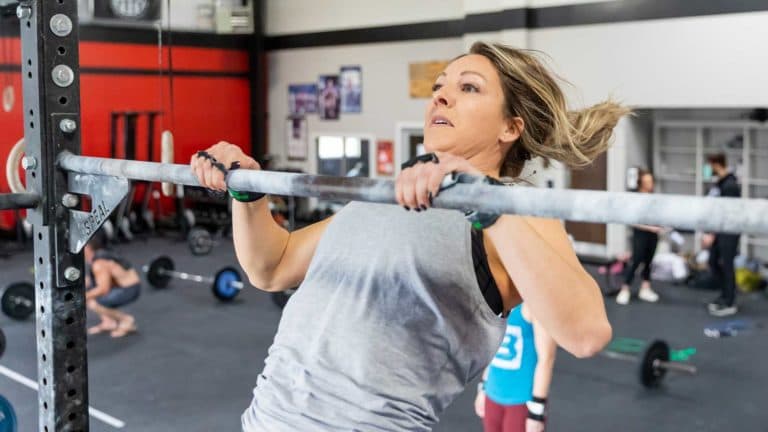
CrossFit introduced benchmark workouts in the September 2003 CrossFit Journal, beginning with Angie, Barbara, Chelsea, Diane, Elizabeth and Fran. From the first Girls in 2003 to Murph and Cindy on the current workout pages, the system gives athletes a repeatable test they can run again and again, then compare without guessing whether they actually improved.
The original CrossFit scorecard
The idea was simple and unusually durable: give hard workouts names, bring them back periodically, and use the results as a common language for progress.
A CrossFit.com Workout of the Day for Chelsea on September 7, 2003, said benchmark workouts would appear in repeated, irregular fashion and be identified by female names. In the following months, CrossFit added two more, Grace and Helen, expanding the roster beyond the original six and cementing the format as more than a one-off experiment.
The point was never just to make athletes suffer on a clock. CrossFit’s benchmark material treated workout design and crafting as a primary concern, and the benchmark format fit the method’s larger goal of broad, general and inclusive fitness. A test that only measures one quality cannot tell the whole story, which is why the benchmark list spans gymnastic stamina, barbell cycling, rowing, running and long mixed-modal work.
What the scores actually tell you
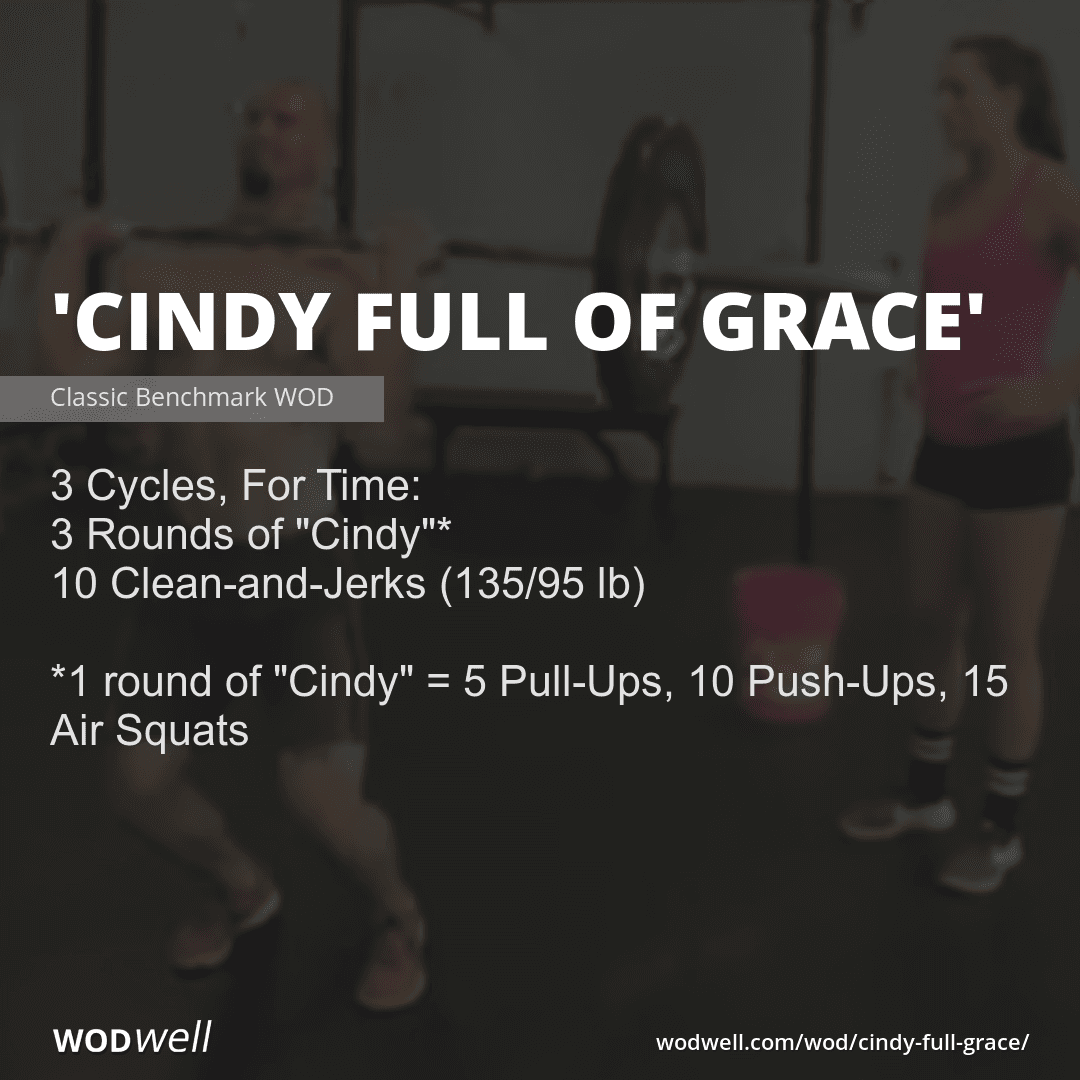
Cindy is 20 minutes of 5 pull-ups, 10 push-ups and 15 squats, scored by rounds and reps completed in that time frame. The score is objective, easy to repeat and easy to compare across months or years.
Different benchmarks expose different strengths and leaks in fitness. A better Fran time can point to improved thruster pacing or pull-up efficiency, while a stronger Jackie can reflect better transitions, rowing rhythm and mid-range engine. Murph, by contrast, stretches the aerobic base and the ability to keep moving under fatigue, while Grace compresses a classic barbell test into a sprint of 30 clean and jerks.
CrossFit’s June 2013 Journal article The Ripple Effect summed up the logic: “When your Fran time drops or your front squat goes up, you’re getting fitter.” Benchmarks translate that idea into repeatable data.
Why Murph became bigger than a workout
Murph carries the strongest mix of performance and ritual in the benchmark catalog. CrossFit introduced it as an official Hero workout on August 18, 2005, in memory of Navy Lieutenant Michael Murphy, 29, of Patchogue, New York, who was killed in Afghanistan on June 28, 2005.
The Memorial Day Murph phenomenon began organically inside the affiliate community before becoming a broader tradition. Athletes still chase a time, a split, or a cleaner rep count, but they do it inside a workout that also carries memory and respect.
Murph includes Rx, scaled and beginner versions, which means the benchmark is not reserved for elite athletes or Games hopefuls. The same structure can challenge a veteran who wants to improve a prior score and a newer athlete who needs a version that can actually be completed with good mechanics.
How CrossFit uses benchmarks year-round
The system is not tied to one season or one leaderboard. Benchmarks are an ongoing way to track development outside the Open, which matches how most athletes actually use them.
Trend-driven sessions can create noise, but benchmarks create continuity. They let a competitor compare this Fran with last season’s Fran, this Cindy with the one from six months ago, and this Murph with the one that exposed a pacing flaw in the past.
This article was produced by Prism’s automated news system from verified source data, official records, and press releases, then run through automated quality and moderation checks before publishing. The system is built and supervised by the people who set the standards it runs under. Read our full AI policy.
Did this article answer your question?