How CrossFit popularized barbell training and group workouts
CrossFit did not just sell hard workouts. It turned barbells, coached classes, and measurable effort into the default language of modern gyms.
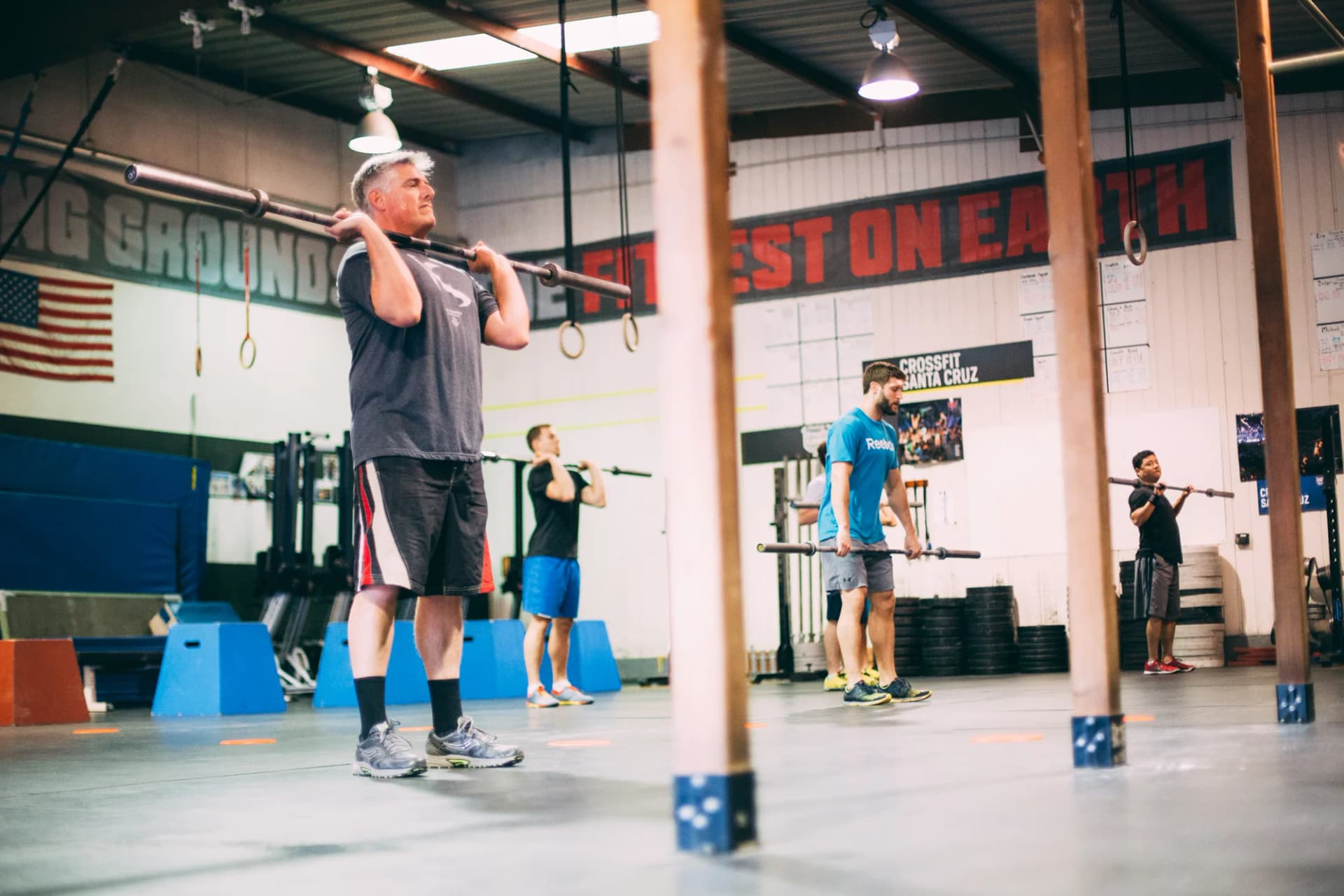
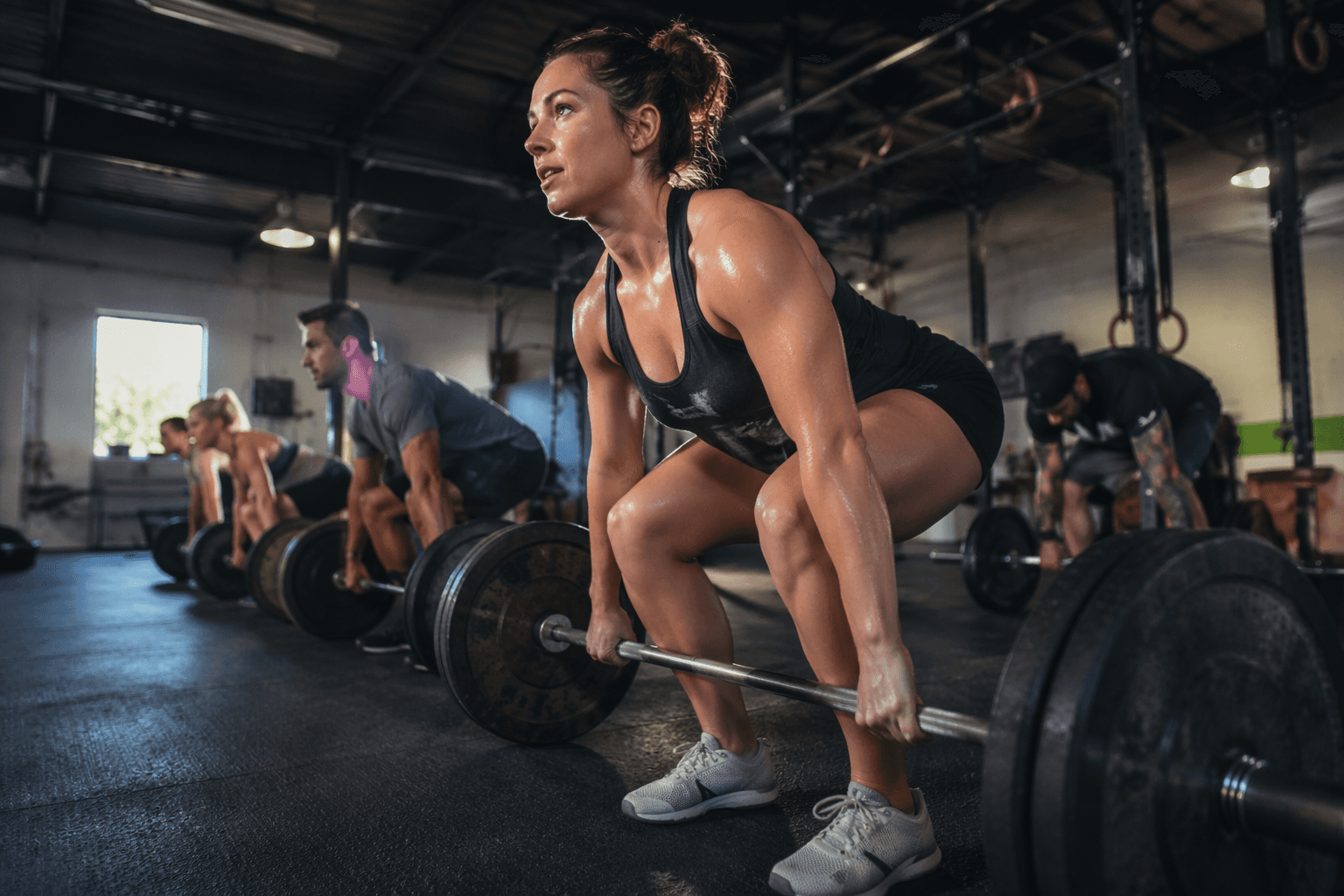
CrossFit’s real legacy is not the spectacle people remember from the boom years. It is the template that many gyms still borrow every day: barbells on the floor, coached classes, and workouts built to be measured, repeated, and argued over. The brand helped make compound lifts and group intensity feel normal outside powerlifting circles, while the sport side gave those habits a public stage that kept getting bigger.
The original CrossFit package was never just about suffering
CrossFit was founded in 2000 by Greg Glassman and Lauren Jenai in Santa Cruz, California, and the company began publishing daily workouts in 2001. That mattered because it gave the method a rhythm: show up, do the work, compare the score, and come back tomorrow. The first affiliate, CrossFit North in Seattle, opened in 2002, and the model spread as a class format rather than as a lone-wolf training plan.
The core idea was plain enough to survive branding wars. CrossFit training centers on constantly varied functional movements, strength, conditioning, and coached group classes, with progress made visible through times, loads, rounds, and reps. That structure is why the system traveled so well. It packaged barbell work, bodyweight movements, and conditioning into one repeatable hour, then wrapped it in a social setting that made people show up again.
The Games turned a training method into a spectator sport
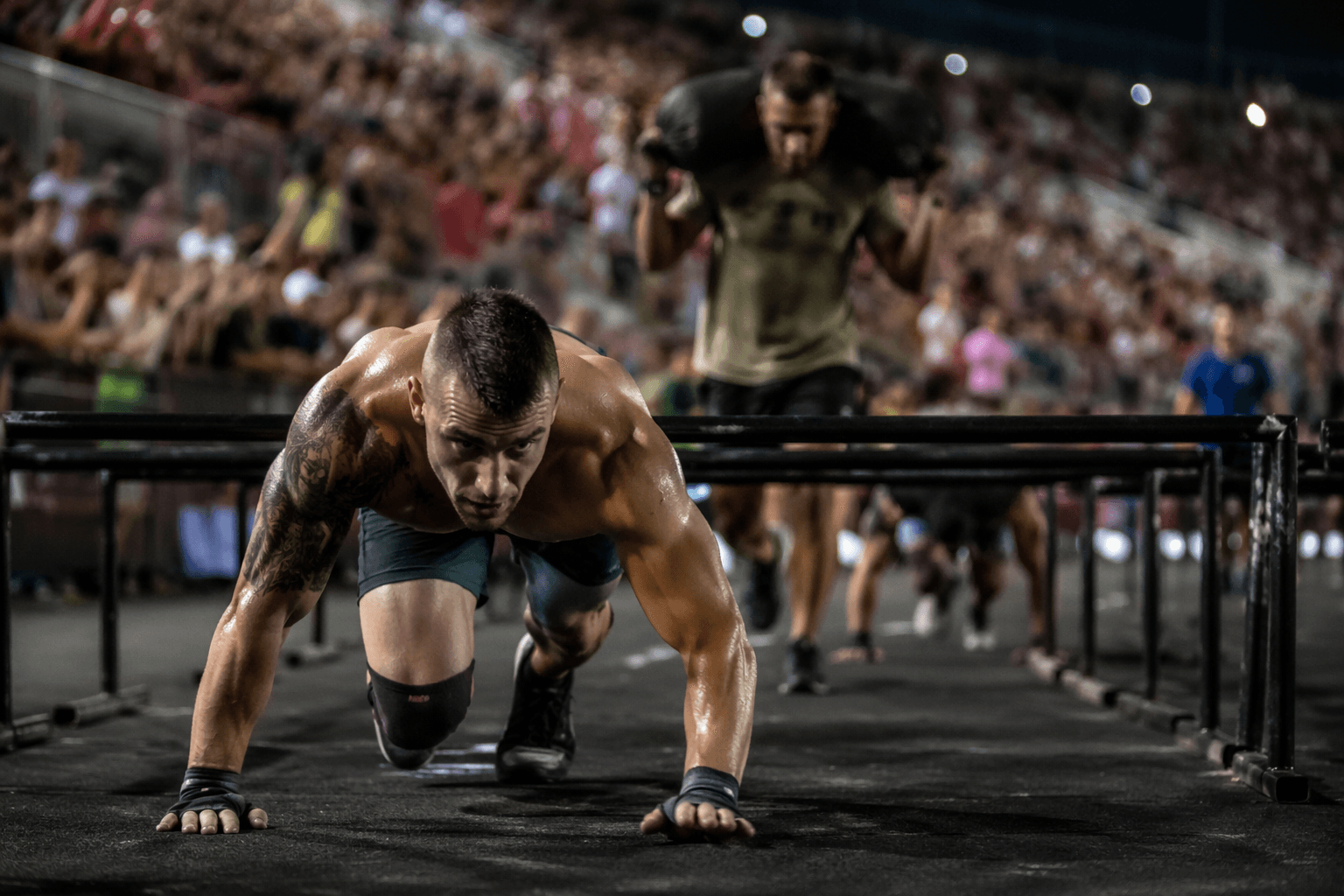
The CrossFit Games launched in 2007 as a test of fitness, and the first one looked nothing like a major event. The inaugural competition, held June 30-July 1 in Aromas, California, drew about 70 athletes and around 150 spectators. That scale matters because it shows how small the idea was before it became a brand, a sport, and a gym floor shorthand.
By 2013, the Games had moved to the StubHub Center in Carson, California, for the July 24-28 edition. That jump signaled a new level of visibility: no longer a ranch curiosity, but a live showcase for a training culture that was starting to define itself in public. Since 2007, the Games have kept evolving around the same core question, which is simple to ask and brutal to answer: who is actually fit when the task changes every few minutes?
That uncertainty is the selling point. A 400-meter sprint, a heavy clean, a rope climb, and a high-rep barbell chipper do not test the same quality, which is why CrossFit fans obsess over format. The method rewards athletes who can handle variance without falling apart, and it gives fans a way to read fitness like a box score with chaos baked in.
Reebok helped turn the movement into a retail category
CrossFit’s mainstream breakout was not just about programming. In 2010, Reebok signed a 10-year partnership with CrossFit to provide apparel and footwear and sponsor the Games. A year later, Reebok launched the Nano in 2011 as the first shoe designed specifically for CrossFit. That was the moment the training style stopped looking like a niche cult and started looking like a consumer category with its own gear, language, and identity.
The partnership also helped normalize what CrossFit had already been doing in affiliates: lifting in general-purpose shoes, training in shorts and tees, and treating the gym as a place for work, not decoration. By the time major brands were building products around the sport, the broader fitness industry had already absorbed the message that people wanted utility, not just cardio machines and mirrors. CrossFit did not invent strength training, but it made barbell work look like something a regular gym member could walk into on a Tuesday night and own.
Why the model spread beyond the brand
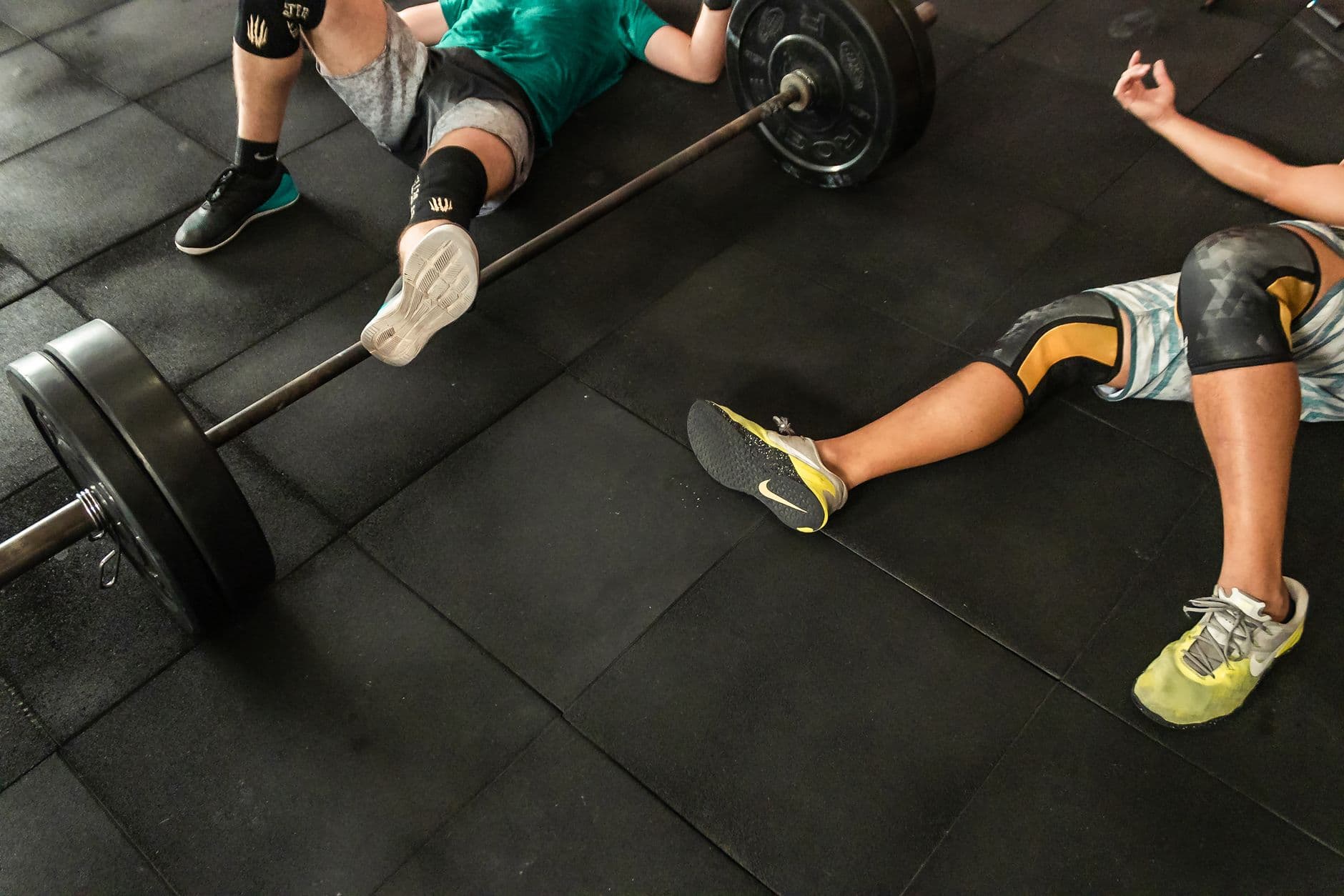
The industry pushback was loud in the early 2010s. Critics questioned injury risk and high-rep Olympic lifting, especially as the sport’s visibility rose through affiliate gyms, the Games, and the Reebok deal. But the argument that CrossFit was only an injury factory never fully explained why the format stuck. People kept coming back because the system solved a practical problem: it gave structure, intensity, and accountability in one class.
That is where the 2021 qualitative study is useful. It found that CrossFit can provide a social environment that promotes healthy habits and social inclusion. The study included 6 focus groups with 48 participants and 16 interviews with CrossFit participants, coaches, and owners. In plain terms, the group setting was not just window dressing. It was part of the adherence mechanism, the thing that keeps a hard workout from becoming a one-week experiment.
The social effect helps explain why CrossFit’s influence spread into ordinary gyms even where the brand itself did not. You can see its fingerprints in timed circuits, coached small groups, benchmark workouts, and classes built around accountability rather than open-ended wandering. A lot of places borrowed the structure even if they never put a name on the front door.
The research trail keeps growing, which says something
A 2022 review noted that CrossFit-related medical literature began in 2012 and reached 59 articles in 2020. That is a striking rise for a training method that was once dismissed as a fad by plenty of outside observers. The research boom did not settle every argument about safety, but it did show that CrossFit became impossible to ignore as a subject worth measuring, not just mocking.
That same history explains the split in how the method is remembered. The sport side produced stars such as Rich Froning Jr., Samantha Briggs, James Fitzgerald, Jolie Gentry, Nicole Carroll, Stephane Rochet, and Chad Whittman, and it gave the brand a cast of athletes and coaches who made the workouts feel both extreme and accessible. The training side did something quieter and more durable: it made compound lifts, coached intensity, and scorekeeping feel like normal gym behavior.
What still defines everyday gyms in 2026
Strip away the mythology and CrossFit’s lasting influence is easier to see. Barbells are common in places that once leaned almost entirely on machines. Group classes still sell the idea that hard work is easier to sustain when it is coached and public. Measurable workouts remain popular because they turn effort into something concrete, and people respond to numbers they can chase.
That is the part CrossFit changed most completely. The brand made functional strength training legible to the mainstream, then paired it with a class format that keeps people moving and coming back. The boom faded, the debates stayed, but the core habits are still there in gym floors across the country.
This article was produced by Prism’s automated news system from verified source data, official records, and press releases, then run through automated quality and moderation checks before publishing. The system is built and supervised by the people who set the standards it runs under. Read our full AI policy.
Did this article answer your question?