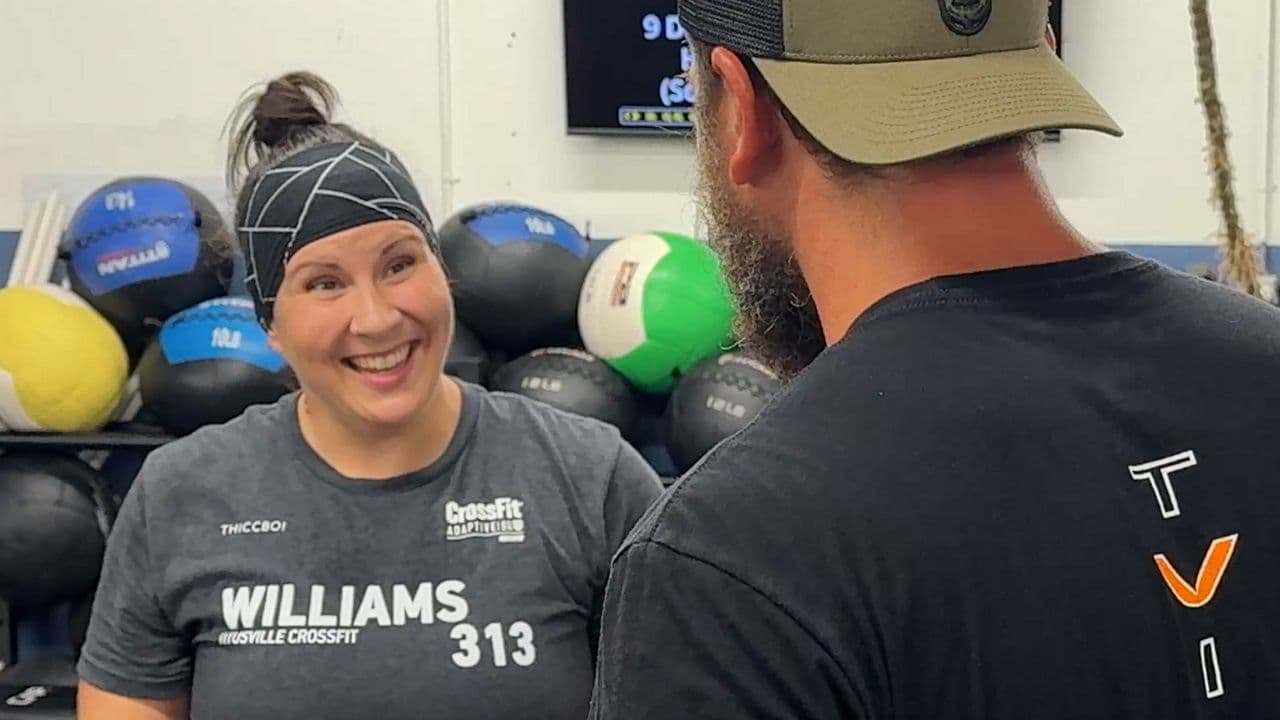
What makes a great CrossFit coach goes beyond credentials
Great CrossFit coaching changes reps, pacing and confidence on the floor. CrossFit’s own pathway shows why real-time teaching still matters more than a certificate.
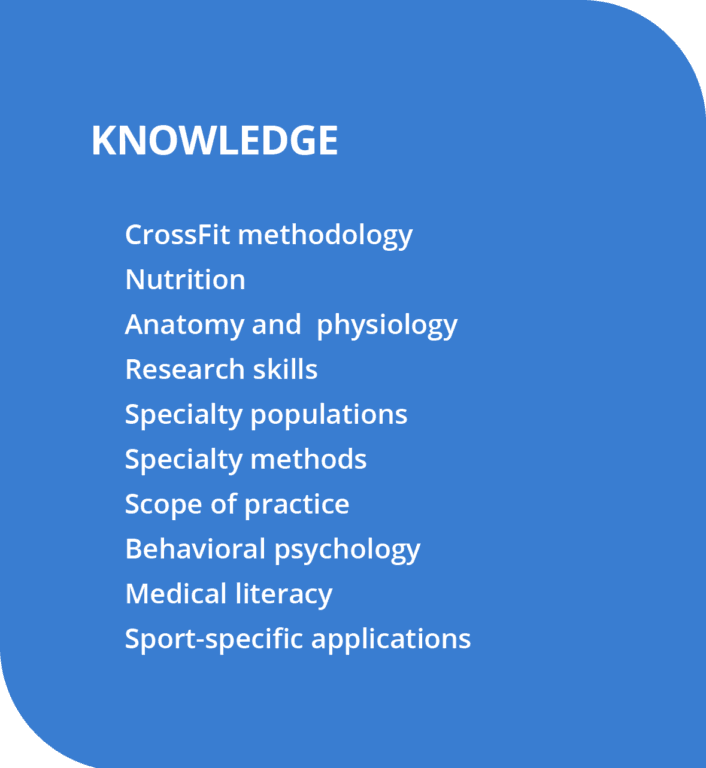
The best CrossFit coaches do more than collect certificates. They catch a movement fault before it becomes a habit, scale one athlete without slowing the room, and keep standards, safety and energy pointed in the same direction.
Coaching shows up in the rep, not the resume
Matt Swift, CF-L4, laid out that case in CrossFit’s June 8, 2021 essay, where he treated coaching as a relationship built on observation, timing and communication rather than a credential hanging on a wall. In a CrossFit class, no two athletes need the same thing at the same moment: one is pushing capacity in a benchmark workout, another is scaling for the first time, and a third needs a technical correction on a lift before the intensity rises.
That is where great coaching becomes visible. A strong coach can move between those demands without losing the thread of the class, reading when to cue, when to let an athlete work, and when to step in because movement quality is slipping. The result is not just a cleaner session; it is an environment where athletes can stay challenged without getting lost, which is often the difference between showing up once and building consistency over months.
CrossFit’s education path is built around what happens in real time
CrossFit’s own course structure reflects that same logic. The Level 1 Certificate Course is the starting point, teaching foundational movements, core concepts and methodology, and nutrition principles for anyone beginning a coaching journey. The Level 2 Certificate Course then pushes farther, focusing on feedback about how to teach, see and correct in real time so the coach leaves with tools to make every athlete in front of them better.
The testing side is just as specific. CrossFit says the Certified CrossFit Trainer Examination is based on a formal practice analysis of CrossFit trainers and is broken into six domains, with tasks and knowledge requirements for an effective trainer. That matters because it shows the credential is meant to measure actual coaching practice, not just classroom recall, and it aligns with Swift’s argument that the craft lives on the floor, where a coach has to make decisions fast and keep the session coherent.
The advanced credentials demand proof, not just intent
CrossFit treats its higher-level credentials as evidence of repeated performance. The Certified CrossFit Trainer credential is for an experienced trainer, while the Certified CrossFit Level 4 Coach performance evaluation is a one-day assessment of a trainer’s ability to effectively coach CrossFit movements and run a successful class. CrossFit said the CF-L4 evaluation officially launched in January 2023, and it describes the CF-L4 as its highest credential for experienced trainers who have coached CrossFit in a group setting for several years.
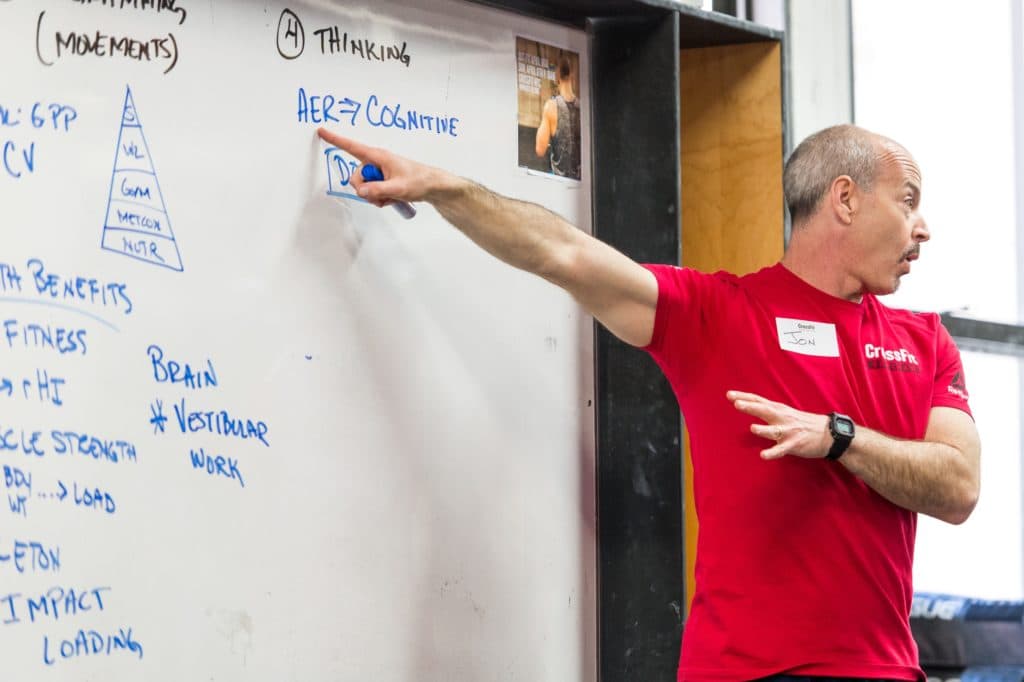
That progression matters because the CF-L4 is not framed as a finish line for anyone who has simply attended enough seminars. CrossFit says it requires the Certified CrossFit Level 3 Trainer credential as a prerequisite, and maintaining a current CF-L4 credential requires 300 verifiable coaching hours during the three-year certification interval. In other words, the system rewards coaches who continue to spend real time in front of athletes and keep proving they can run a class, not just speak about one.
Good coaching is a continuing craft, not a one-time badge
CrossFit’s education materials lean hard into the idea that learning never stops. The organization describes continuing professional development as an ongoing learning process accomplished through seminars, courses, lectures and related activities, which mirrors the reality of coaching a constantly changing room of athletes. The Level 1 Training Guide adds historical depth to that idea: it is a collection of CrossFit Journal articles written since 2002, primarily by Greg Glassman, showing how long CrossFit has been trying to standardize and refine its coaching methodology.
A March 19, 2024 coaching explainer put the point in plain language: “the caliber of trainer you work with matters.” That is not just a branding line, because the quality of the coach affects whether an athlete understands the movement, trusts the scaling choice, and leaves the warm-up ready for the work that actually counts. If the coach can’t see, correct and communicate in real time, the athlete pays for it later in missed standards, sloppy mechanics or a session that never gets back on track.
Affiliates feel coaching quality in the business and the culture
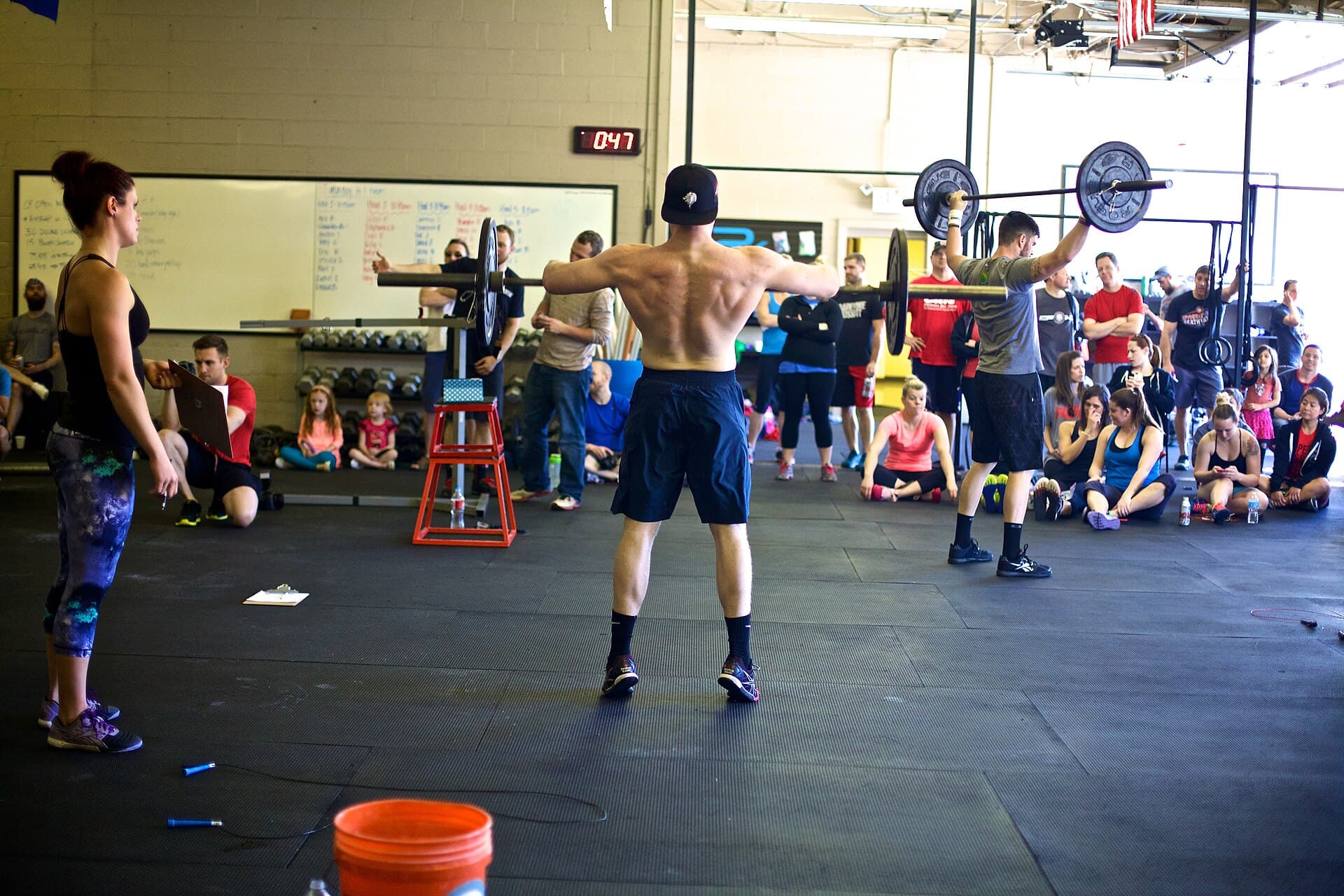
CrossFit also ties coaching to the way affiliates are built. The path to opening an affiliate begins with getting a CrossFit L1, and the company presents affiliate ownership as a low-barrier way to open, operate and manage a fitness business. That makes the coach the most visible daily representative of the brand, because class quality is what members experience before they ever think about methodology or credentials.
Swift’s point still lands because it explains why some gyms feel transformative and others feel merely busy. Good programming is not enough if the coach cannot teach it clearly, offer thoughtful scaling and hold the room together, and a credential alone does not guarantee any of that. The coaches who matter most are the ones who make athletes move better, think better and keep coming back with more confidence than they had when they walked in.
This article was produced by Prism’s automated news system from verified source data, official records, and press releases, then run through automated quality and moderation checks before publishing. The system is built and supervised by the people who set the standards it runs under. Read our full AI policy.
Did this article answer your question?