2026 FPV Video Market Splits Between Proprietary, Modular, Hybrid and Analog
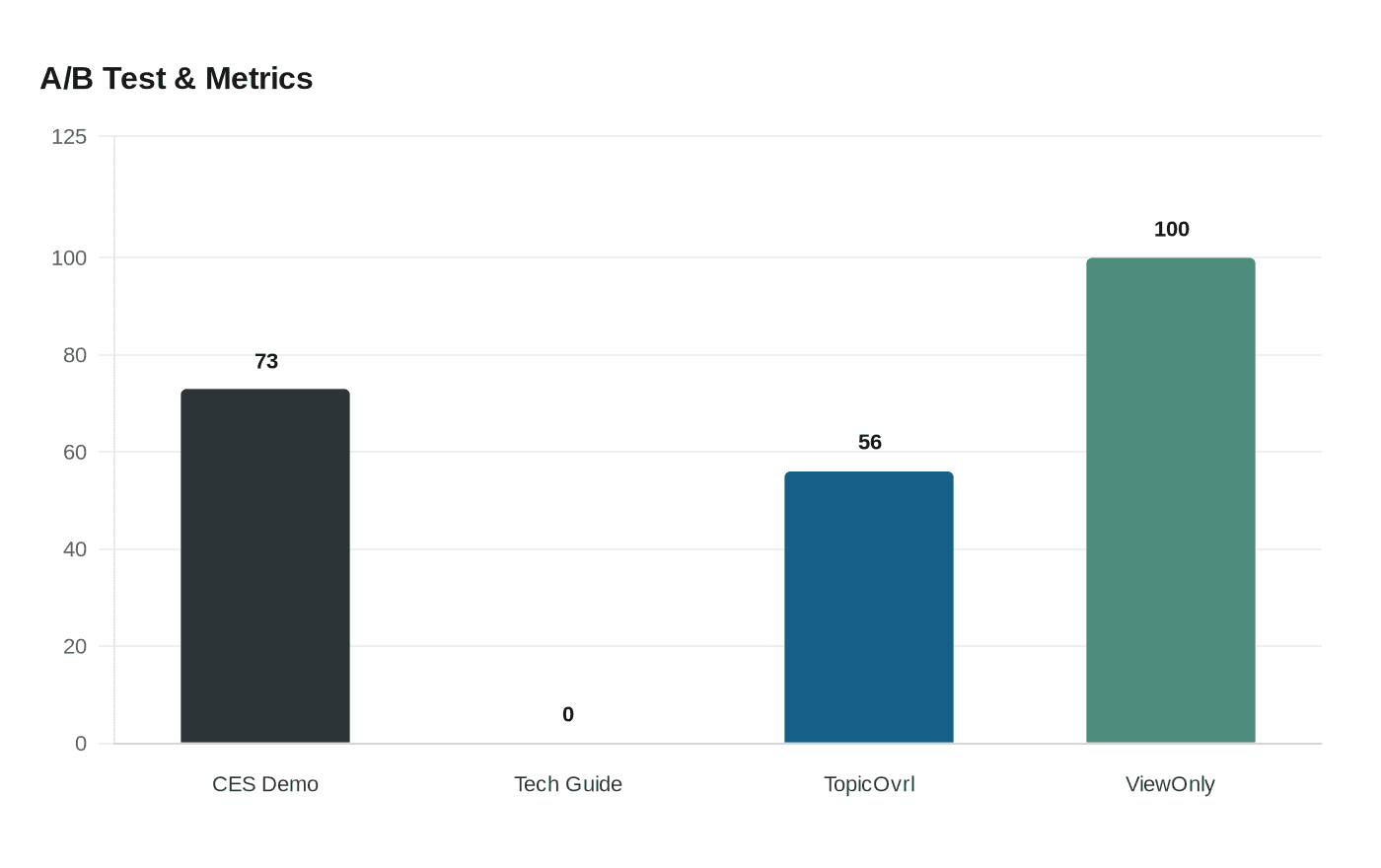
FPV video now runs in four clear camps - DJI's closed HD ecosystems, modular Walksnail/Ascent/Caddx stacks, HDZero-style hybrids, and analog; an A/B test showed concise CES-focused storytelling scored 0.73 versus 0.00.
The FPV video market has fractured into four distinct approaches that are reshaping equipment choices for racers and race producers: proprietary integrated HD ecosystems led by DJI, modular HD stacks built around Walksnail, Ascent and Caddx components, hybrid digital systems such as HDZero, and the enduring analog option. An A/B test of coverage found the CES-demo grounded story scored 0.73 while a long technical guide scored 0.00, despite 56 percent topic overlap, and analytics show 100 percent of readers only viewed without sharing or commenting.
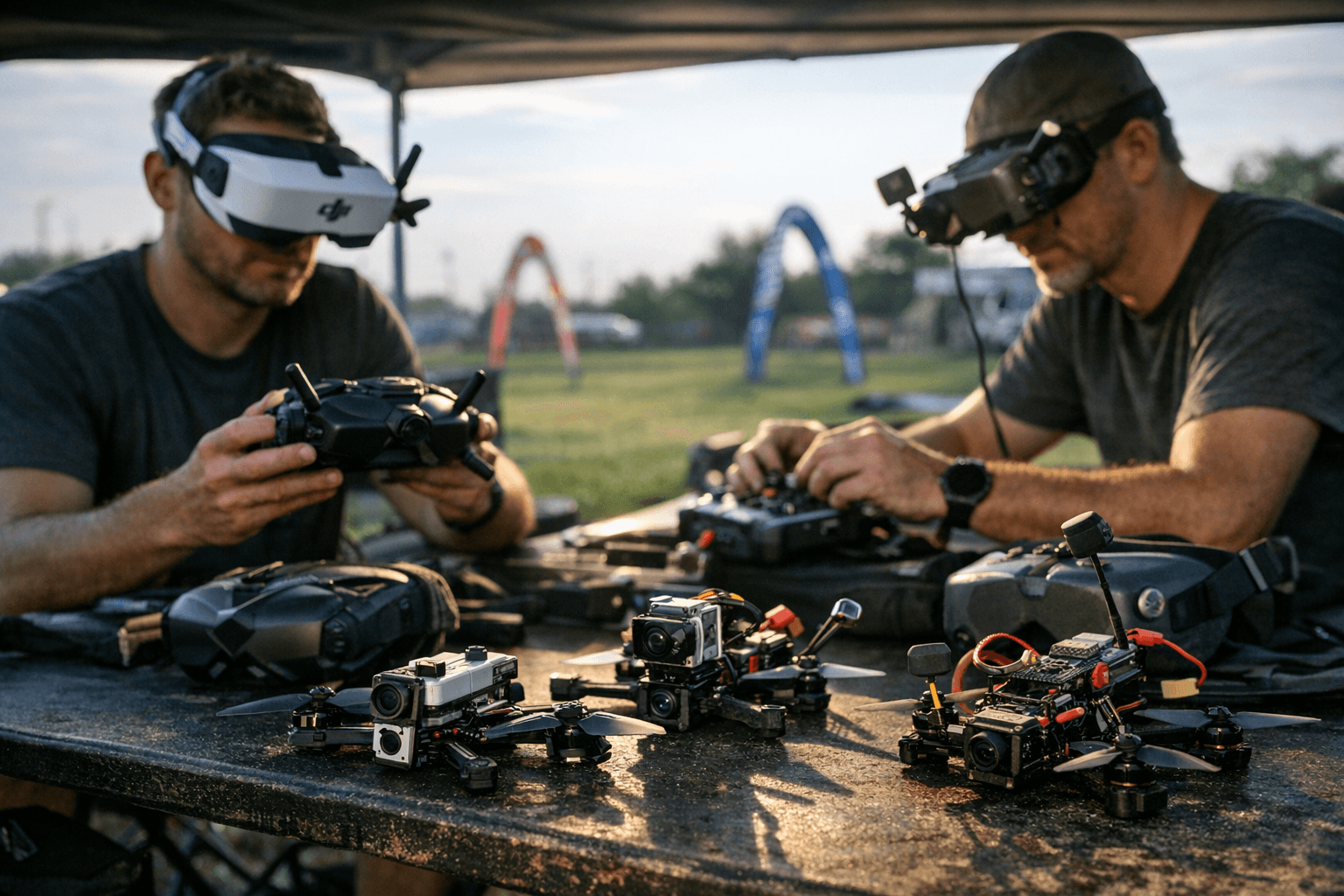
DJI’s proprietary integrated HD ecosystem dominates conversations because it packages camera, VTX and goggles into a single upgrade path. That integration simplifies live-broadcast setups for organizers but creates vendor lock-in that forces pilots to replace multiple components at once when switching systems. Race operators who prioritize turnkey livestreaming and minimal pit-time are increasingly specifying DJI-compatible rigs for regional and national circuits.
Modular HD stacks built around Walksnail, Ascent and Caddx parts appeal to pilots who value retrofitability. Walksnail-based transmitters paired with Ascent or Caddx cameras let teams reuse frames and flight controllers while swapping video modules between quads. That component-level flexibility shortened turnaround in pit lanes at recent club races, where mechanics reported fewer whole-airframe replacements and more part-level troubleshooting.
HDZero and other hybrid digital systems occupy the middle ground by offering digital-feel video with compatibility strategies that sit closer to analog workflows. HDZero’s positioning as a low-latency digital option has kept it in contention for online qualifiers and indoor league nights where pilot reaction time matters and analog infrastructure still exists in many venues.
Analog persists as the fallback for many grassroots events and for pilots running tight budgets. Its simplicity and existing VHF/UHF infrastructure mean small circuits continue to rely on analog goggles and VTX gear; organizers in community fields cited analog’s predictable interference profile when scheduling multi-heat events.
Product launches and messaging still move engagement. Flywing’s X-Wing Fighter demo at CES, which foregrounded cockpit-style FPV experience, performed well in audience tests because it emphasized novelty and the user experience rather than technical depth. The lesson from the A/B pairing is clear: concise, experience-led narratives about demoable hardware convert passive viewers into engaged readers more effectively than sprawling technical manuals.
Expect the market split to influence team build lists and race broadcast choices through the season. Manufacturers that clarify upgrade paths and cross-compatibility between DJI, modular stacks, HDZero and analog will determine which systems appear most often on podiums and in livestreams.
Know something we missed? Have a correction or additional information?
Submit a Tip