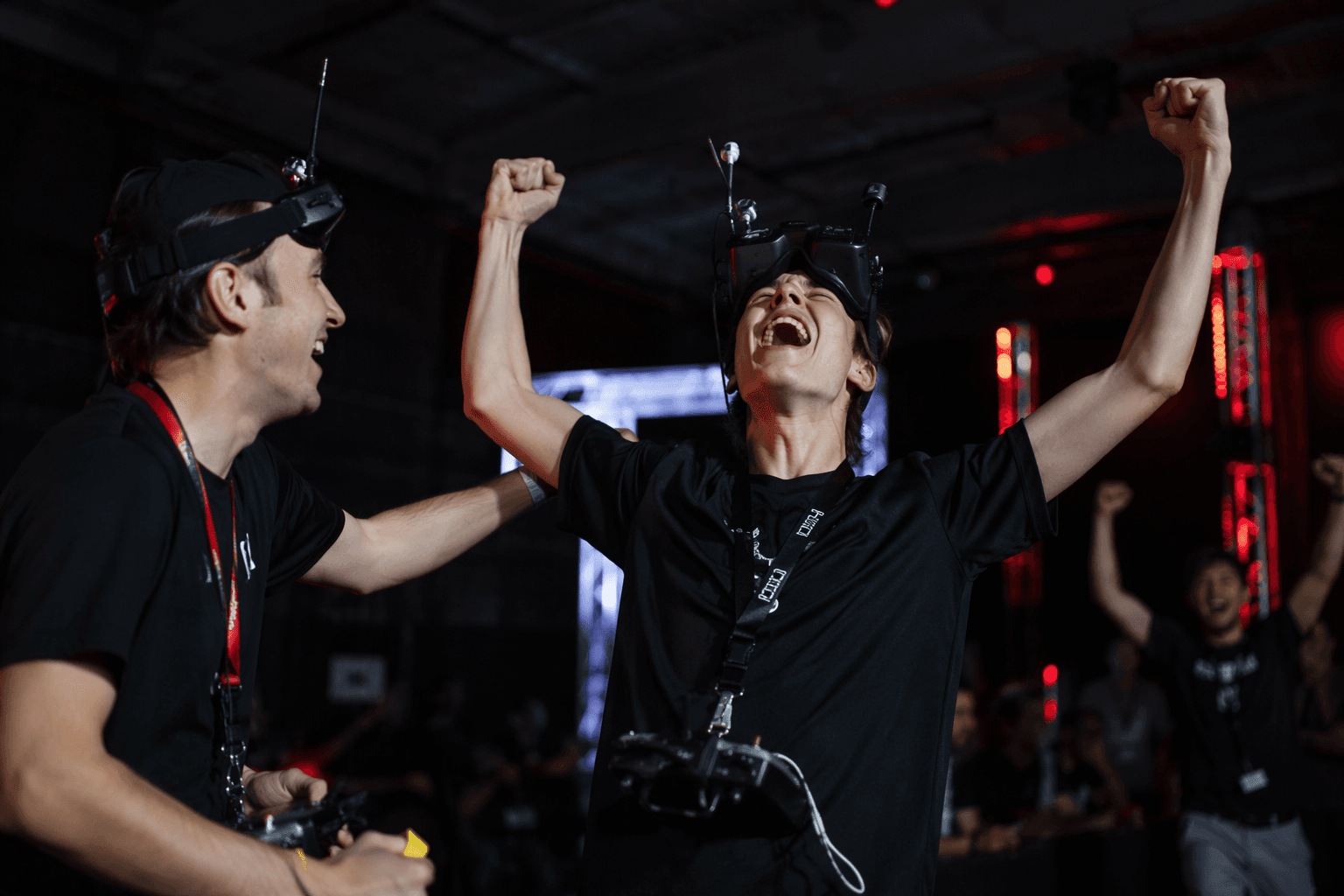
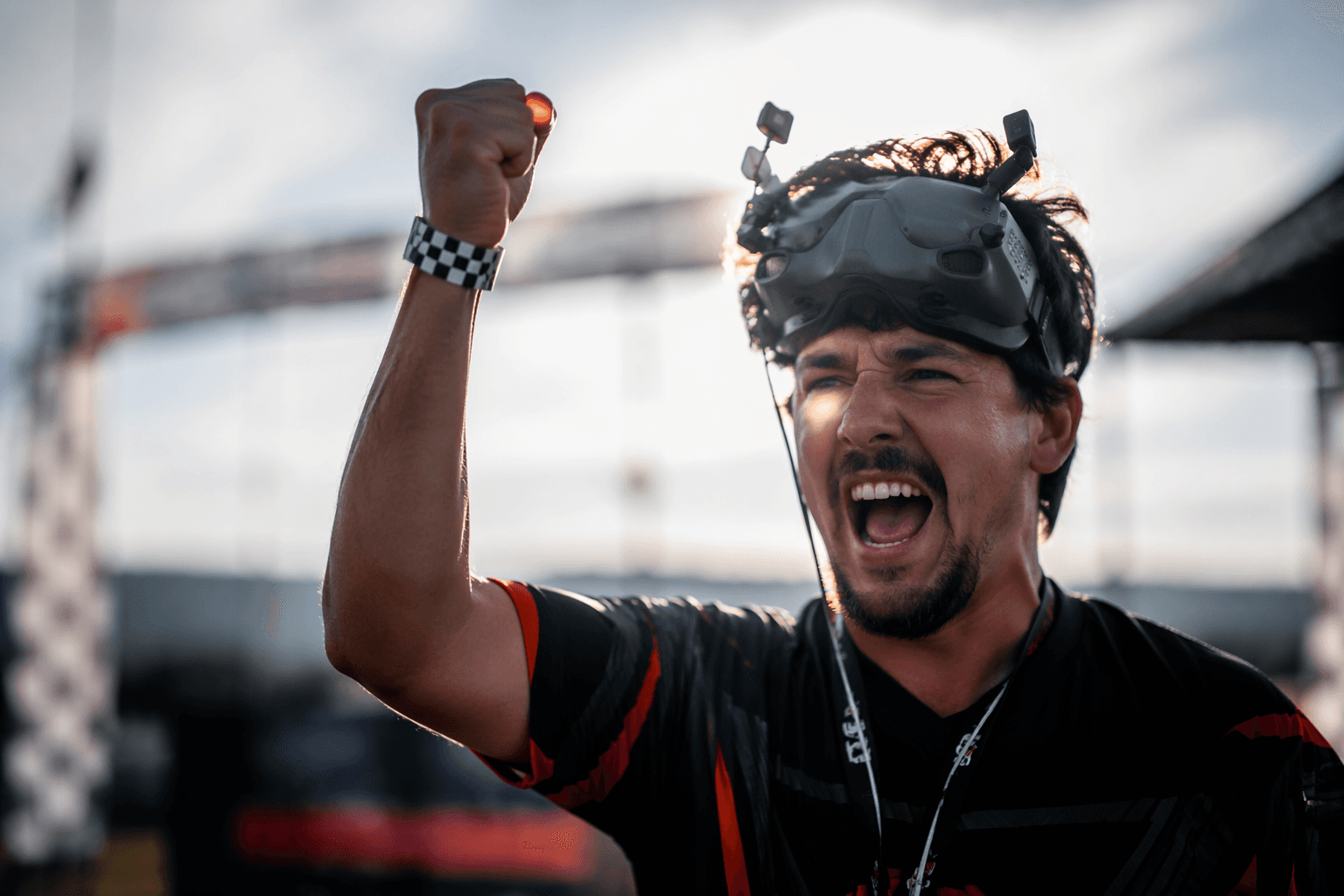
8 FPV drone racing videos put viewers in the pilot’s seat
These eight FPV clips make the sport feel like a knife-edge sprint through the course, where every gate, wobble and line choice changes the outcome.

FPV drone racing only makes sense when the camera goes where the drone goes. That is why Android Experto’s roundup lands so well: it does not just show speed, it puts you inside the split-second decisions that separate a clean lap from a crash, and it does it with enough variety to show why the sport keeps pulling in new fans. The wider drone racing world has already backed up that appeal, with DRL’s 2022-23 season reaching 320 million households, 260 million race views and 12 million social followers.
The cockpit view is the entire sell
The first clip type in the roundup is the purest version of FPV racing: the pilot’s-eye view that makes the drone feel less like a machine and more like a body extension. Because the camera is strapped to the aircraft itself, viewers are not watching from the stands or from a drone high above the course. They are inside the line, gate by gate, correction by correction.
That immediacy is what turns a niche technical sport into something casual viewers can actually feel. When the drone banks too hard or misses a gate by inches, the mistake is not abstract. It is visible in the twitch of the frame, and that is why these videos work as an entry point for non-pilots.
Tight gates turn speed into geometry
The next kind of clip that stands out is the one built around a tight competitive course, where gates force pilots to thread a very narrow path at high speed. FAI defines drone racing as a test of pilots flying around a specially built course, often through gates and obstacles, to reach the finish line in the fastest time. That definition matters because the best footage makes the course itself part of the drama.
When the margins are that small, every line choice becomes a calculation. A cleaner arc through a gate can carry speed into the next section, while a conservative turn can cost position immediately. That is the hidden appeal of FPV racing: the best lap is usually not the fastest-looking one to the naked eye, but the one that wastes the fewest motions.
Urban lines make the danger obvious
Urban clips hit differently because walls, corners and hard edges make the crash risk impossible to ignore. In an open field, a drone can look fast without seeming vulnerable. In a city line, speed suddenly has consequences, and that is where FPV racing becomes most convincing to people who do not fly.
The roundup’s urban angle also does something smart for the audience: it makes speed legible. The closer the drone runs to a building or barrier, the easier it is for viewers to understand just how little room the pilot has to work with. That close-quarters pressure is one of the clearest reasons the sport feels intense even on a screen.
Cinematic tracks show the sport’s rhythm
Not every FPV clip needs to be all elbows and adrenaline. The cinematic track entries in the roundup matter because they show the sport’s rhythm, not just its chaos. Flags, tunnels and repeated laps give the viewer landmarks, and those landmarks teach the eye how a race is actually built.
That structure matters more than it sounds. Once viewers can identify the course, they can start seeing why one line beats another, why a turn was taken high instead of low, and why a pilot who looks smooth may be faster than one who looks reckless. The spectacle is still there, but now it has a pattern.

Beginner-friendly flights lower the barrier
The beginner-friendly clips are not throwaways, and treating them that way misses the point. They are the bridge between a first-time viewer and a serious fan, because they strip away some of the visual overload while keeping the core thrill intact. That is crucial in a sport where many people discover racing through video before they ever see a live event.
Those flights also work as a teaching tool. They show how FPV pilots stabilize the drone, how small stick inputs keep the frame on line, and how a course can be approached without sacrificing pace. For a viewer trying to understand the sport, that is often the first clip that makes the whole thing click.
The racecraft is in the tiny corrections
What makes the best clips unforgettable is not just that the drones move fast. It is that they move fast while the pilot is constantly trimming, nudging and correcting in real time. Android Experto’s focus on low-latency reactions matters here, because in FPV racing a fraction of a second is enough to decide whether the drone stays on the racing line or drifts into trouble.
That is also where the sport’s physicality shows up most clearly. The pitch of the motors rises every time the throttle punches, and that sound becomes part of the tension. You are not just seeing acceleration; you are hearing how hard the pilot is asking the machine to work.
The official sport has real stakes now
FPV racing is not some loose freestyle scene anymore. FAI says drone racing is one of the fastest-growing air sports, and its institutional timeline tells you why the videos matter: a provisional FPV racing class was approved in 2016, all drone matters moved under F9 Drone Sport on January 1, 2019, and the sport debuted at The World Games in Birmingham, Alabama in 2022. It is now a structured competitive discipline with a real international ladder.
That ladder keeps getting wider. FAI announced 30 qualified athletes for The World Games 2025 in Chengdu, and the sport’s profile now reaches young, digitally savvy audiences while also including disabled athletes, including competitors in wheelchairs. The clips in this roundup are entertaining, but they are also part of the reason the sport keeps growing beyond its core base.
The biggest races prove the video-first model works
The final reason these eight videos matter is that the broader competitive scene already behaves like a highlight reel. FAI reported the 2024 World Drone Racing Championship in Hangzhou, China, and the Drone Champions League’s Falcon Cup Finals in Abu Dhabi drew more than 2,500 fans on April 11-12, 2025, with Raiden Racing beating Cyclone Racing 22-9. DCL also logged a fastest overall time of 0:55.843 and a fastest lap of 9.405 seconds, numbers that make the margin for error look brutally small.
That is the real lesson of the roundup. FPV racing sells because it turns precision into spectacle, and the best clips do more than show drones flying fast. They show a sport where course design, pilot decision-making and raw nerve all collide in the same frame.
This article was produced by Prism’s automated news system from verified source data, official records, and press releases, then run through automated quality and moderation checks before publishing. The system is built and supervised by the people who set the standards it runs under. Read our full AI policy.
Did this article answer your question?