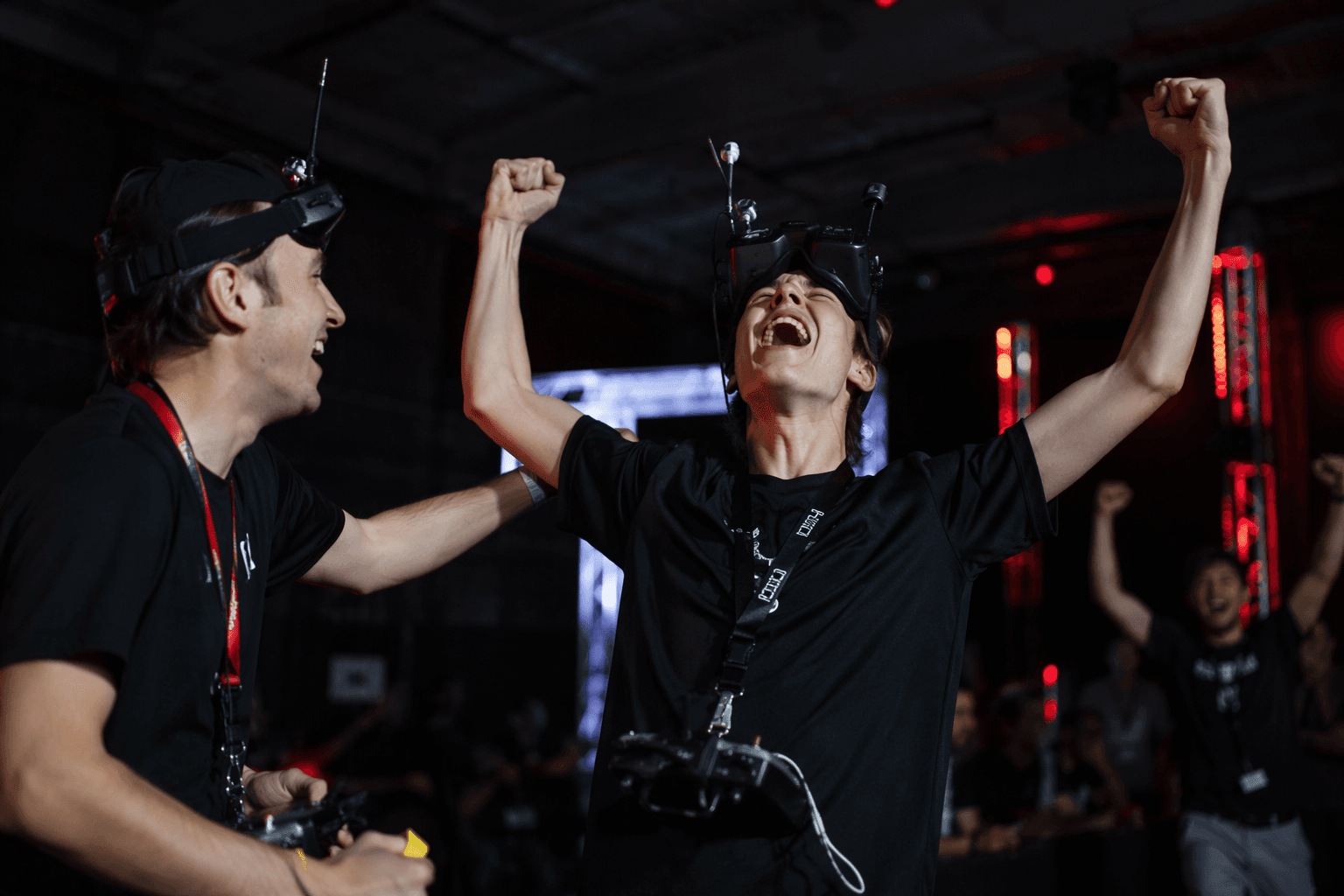
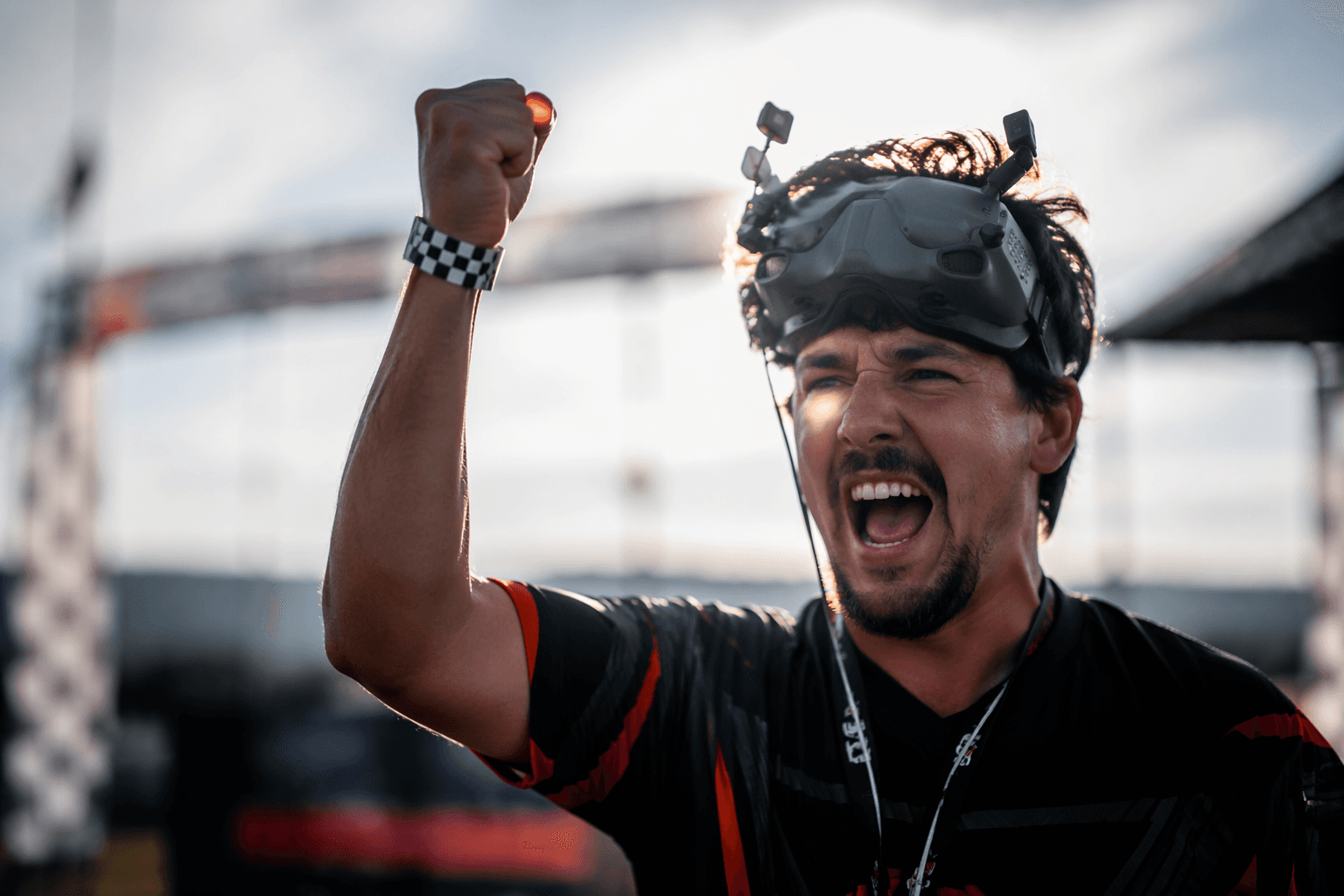
Australia's ADF drone racing team wins seventh international title
Australia's ADF drone racers won a seventh international title in Lewis, New York, extending a run built on speed, discipline and split-second decisions.
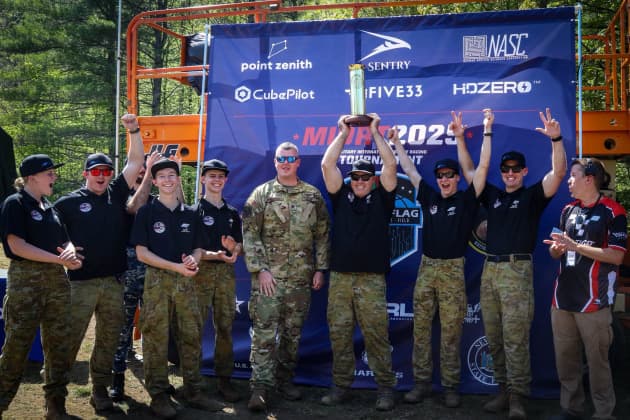
Australia's ADF drone racing team added a seventh international military title in Lewis, New York, and the U.S. meet was built to test more than straight-line speed. Open-class racing sat alongside tactical scenarios, vendor participation and international military collaboration in a capability-focused week that matched the way Defence now treats the sport, as competition and training at once.
Corporal William Maloney said the standard keeps rising every year as drone technology becomes more important across the ADF. That is why this squad, established in 2017 and now made up of 41 pilots drawn from all trades and specialisations, keeps winning in a way that looks structural rather than lucky. Maloney's read on the sport is the right one for anyone who watches drone racing closely: the margin comes from split-second decisions, constant adaptation and precise stick work under pressure.
The ADF's run has stretched across Australia, the United Kingdom and the United States. The inaugural Military International Drone Racing Tournament was held in Sydney in 2018, and the ADF has since taken the title in 2023, 2024, 2025 and again in 2026. The 2025 event in Lewis brought 37 pilots from the ADF, the United Kingdom, Singapore and the United States to the refurbished Atlas-F missile silo site, where the American pilots finished second. A separate MIDRT in Sydney in March drew 76 pilots from seven nations and added new tactical challenges at Randwick Barracks and RAAF Base Richmond.

That repeated success matters because the racing program sits inside a bigger Defence investment in uncrewed systems. Drone racing is an authorised sport in the ADF and an authorised, encouraged adaptive sport in the Australian Army, while the Albanese Government has said it is investing more than $10 billion on drones over the next decade, including at least $4.3 billion on uncrewed aerial systems. The pipeline reaches down to cadets too: at Simpson Barracks in Victoria in June 2024, Army cadets raced alongside ADF mentors, and Cadet Sergeant Zac Melvaine said that mentoring was invaluable. Maloney said the cadets had improved so much that some were faster than their instructors, which is exactly what a healthy championship pipeline looks like when the talent base keeps widening.
This article was produced by Prism’s automated news system from verified source data, official records, and press releases, then run through automated quality and moderation checks before publishing. The system is built and supervised by the people who set the standards it runs under. Read our full AI policy.
Did this article answer your question?