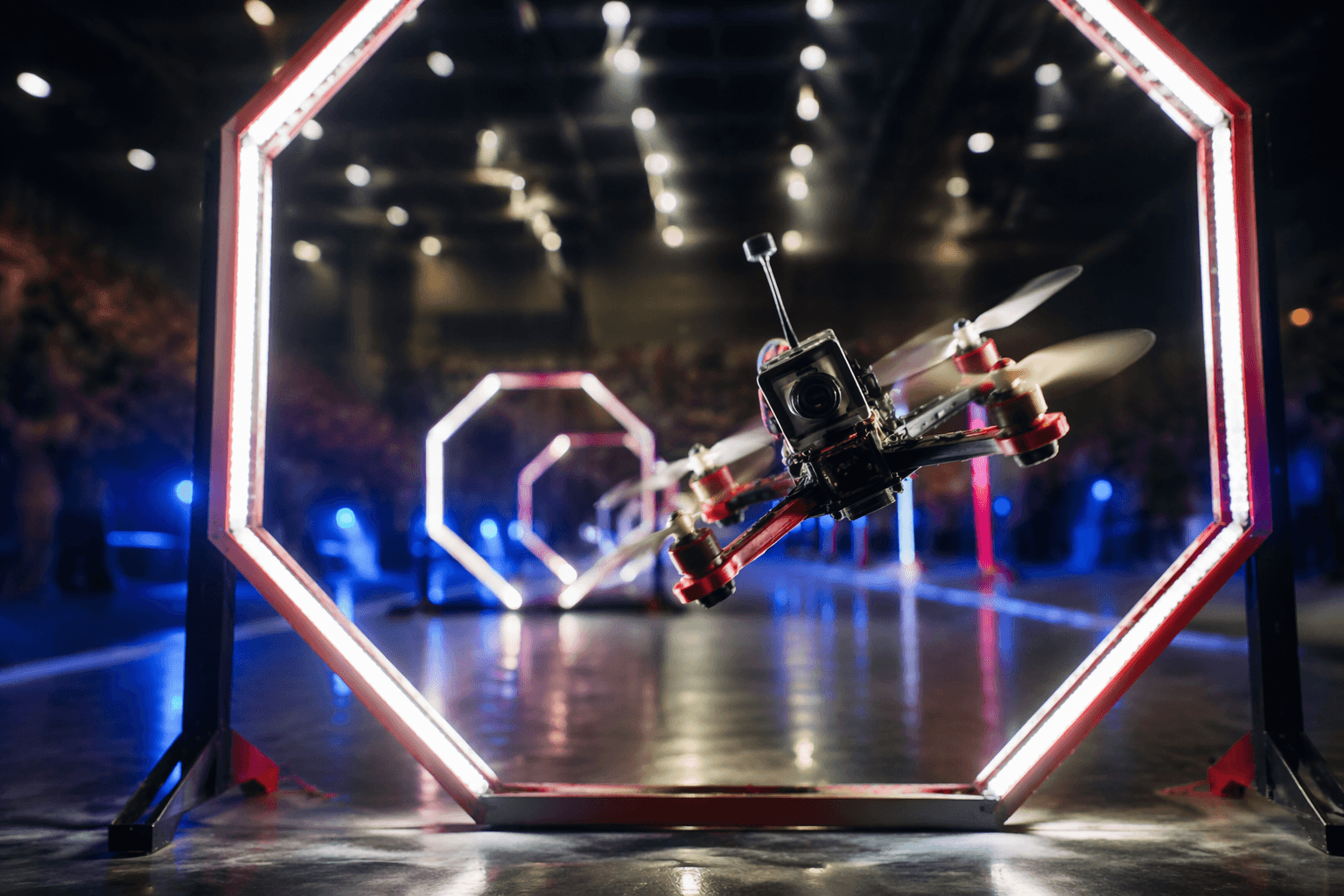
Aero Vision Drones ranks best racing quadcopters after 200 test flights
After 200 flights, the best picks are the quads that finish heats and survive crashes. Tiny whoops and ELRS-ready rigs lead the list.
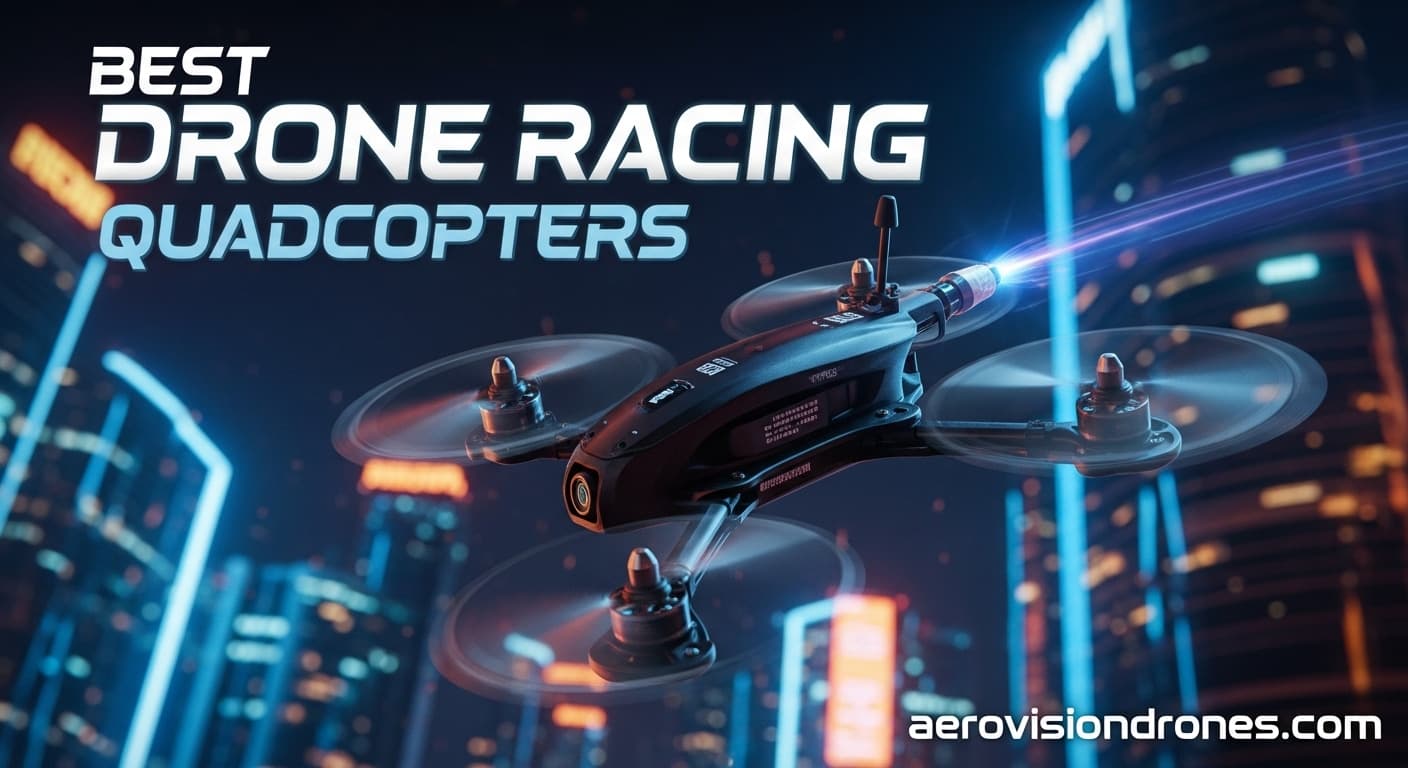
1. BETAFPV Air65 II, the crash-proof new league entrant
Aero Vision Drones put 15 of the most talked-about racing quads through more than 200 flight sessions across indoor tracks, outdoor courses, and freestyle setups, and the Air65 II rises because it wins on the race-day math that matters most: speed, crash survivability, and total cost of ownership. BETAFPV says the platform now comes in Champion, Racing, and Freestyle configurations, with a reinforced frame and canopy plus a 12A ESC, while firmware packages and CLI files were updated in April and May 2026, a sign that this class is still being tuned for repeat hits and quick turnarounds.
2. BETAFPV Air65, the ultralight benchmark
The original Air65 is still the cleanest expression of a 65mm whoop done for racing, and BETAFPV lists it at 17.3g with Racing and Freestyle versions. The 27,000KV motor setup gives it the snap needed for tight indoor gates, which helps keep a new season from turning into a pile of bent props and missed qualifiers.
3. CADDXFPV Protos FPV Drone RTF Kit, the fastest path to the grid
The Protos belongs near the top because the ready-to-fly format cuts the pre-race friction that can sink a newcomer before the first heat. In a class where setup mistakes cost as much as crashes, the appeal is simple: less bench time, fewer unknowns, and more laps before the bracket starts tightening.
4. STARTFPV R8 80mm whoop, the stable middle ground
The 80mm frame gives this whoop a little more room to breathe than the smallest indoor machines, and that extra footprint usually translates into calmer handling when the gates stack up. Weekend spec-class pilots get a useful tradeoff here, because the bigger whoop should absorb rougher lines a bit better without forcing a jump to a full outdoor build.
5. BETAFPV Aquila16 FPV Kit, the budget-control starter
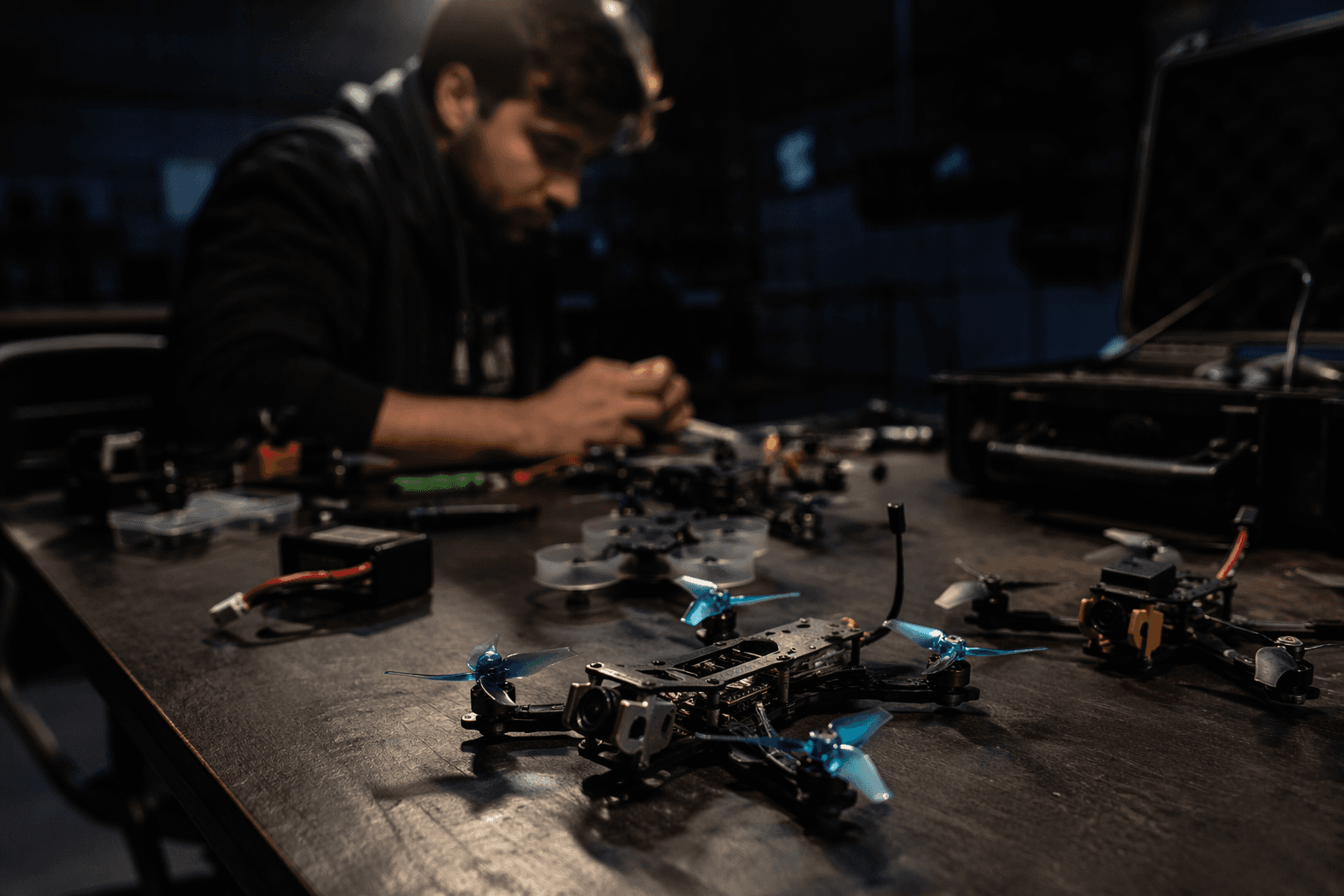
BETAFPV says the Aquila16 can fly for up to 8 minutes and reach a maximum video transmitter distance of 200 meters, which makes it one of the clearest value picks in the list. That matters for new league entrants because longer flight time and controlled range can stretch a training battery into a bigger learning window, while keeping the first season’s replacement bill from spiraling.
6. BETAFPV Aquila20 FPV Kit, the complete boxed setup
The Aquila20 package includes the Aquila20 whoop, LiteRadio 4 SE transmitter, and VR04 goggles, so it arrives as a full racing system rather than a single airframe. For weekend pilots who want to spend their money on consistency instead of assembling a stack piece by piece, that all-in-one structure makes the path to the course simpler and the replacement calculus easier.
7. EMAX Tinyhawk II Indoor FPV Racing Drone, the sharp indoor knife
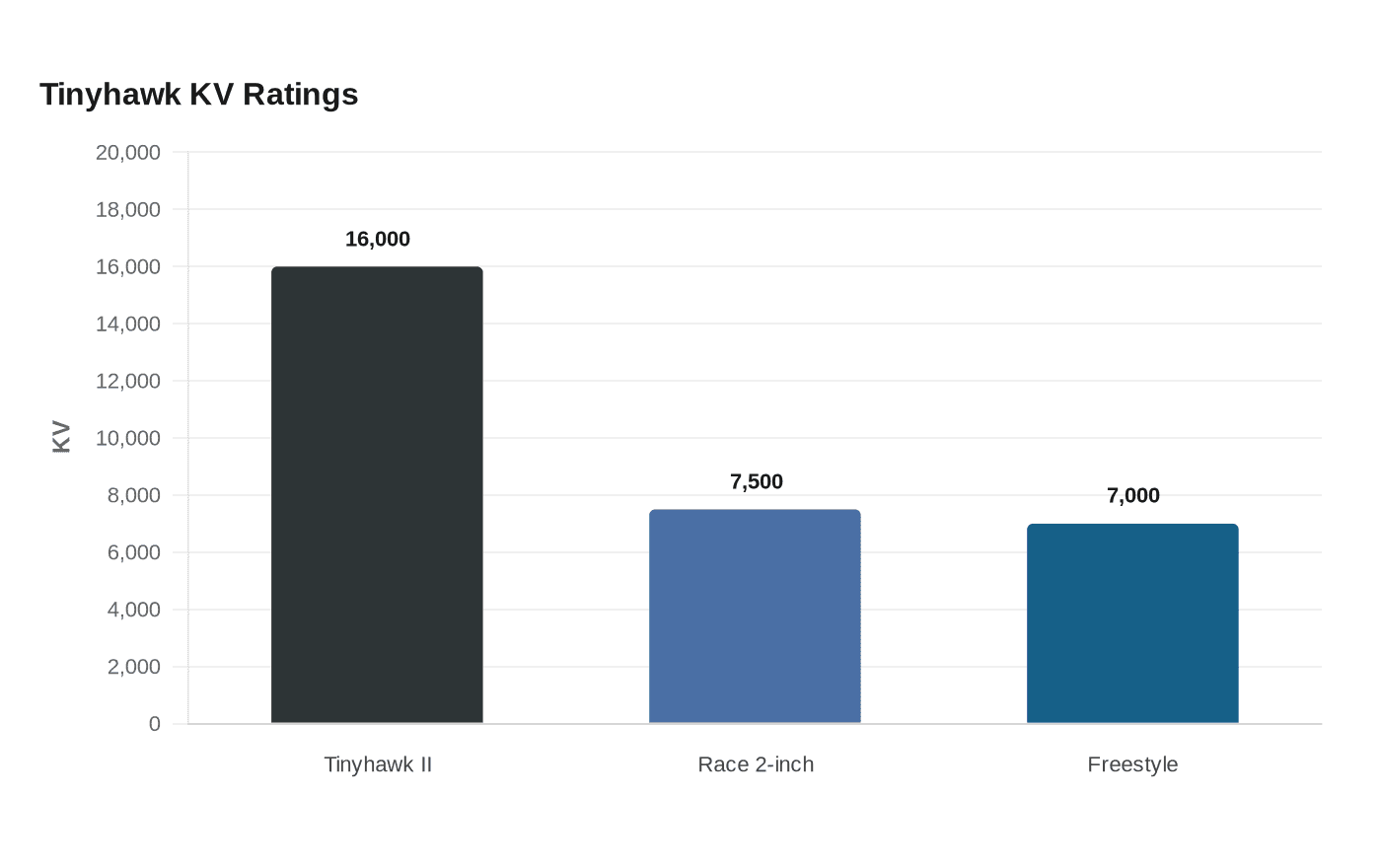
EMAX lists this Tinyhawk II version at 16,000KV, the hottest-tuned figure in the family, and that makes it the most aggressive indoor option among the EMAX entries. The upside is quick response through narrow lanes; the downside is that sloppy throttle inputs can turn a fast lap into a wall strike in a hurry.
8. EMAX Tinyhawk II Race 2-inch, the spec-class compromise
At 7,500KV, the Tinyhawk II Race 2-inch sits in the middle of the family and looks built for pilots who want pace without the nervous edge of the most extreme setup. That balance is often what survives a long season, because it keeps the drone fast enough to challenge for position while leaving a little margin for recovery when a turn goes wrong.

9. EMAX Tinyhawk II Freestyle model, the calmer sibling
The 7,000KV Tinyhawk II Freestyle model gives up some top-end bite, but that lower output can be a feature when tracks get messy or lines get imperfect. It is the kind of setup that can help reduce parts burn over time, since smoother control usually means fewer hard hits and a better chance of finishing the run.
10. EMAX Tiny Hawk RTF, the familiar entry point
The Tiny Hawk RTF stays relevant because familiarity still has value in a sport where the clock and the budget are always racing each other. An established RTF platform can mean easier setup, easier spares, and less time learning a new feel before a heat, which is often the difference between arriving ready and arriving frustrated.
11. Tiny Hawk Freestyle 2, the practice-to-race bridge
The Tiny Hawk Freestyle 2 fits the pilot who wants a machine that can absorb a rough session and still come back for another pack. In practical terms, that means fewer DNFs from small mistakes and a better chance of turning practice crashes into an afternoon of useful laps instead of repairs.
12. EMAX Tinyhawk 2, the steady old reliable
The Tinyhawk 2 earns its place because proven handling still beats novelty when the goal is clean racing rather than bragging rights on paper. A drone that feels predictable in the air can save more races than a faster one that punishes every imperfect throttle correction.
13. BETAFPV Cetus Pro, the controlled step-up
The Cetus Pro makes sense as the bridge between learning and real competition, especially for pilots moving from training batteries to actual heat pressure. Its best trait is not raw speed, but the way it can keep mistakes small enough that a bad line does not immediately become a broken frame or a lost round.
14. APEX FPV Drone Kit, the elite pace-chaser’s tool
The APEX FPV Drone Kit belongs to pilots chasing every fraction of a second and willing to trade some forgiveness for sharper race-day response. That is the right calculus when the objective is not just to finish, but to pressure the front of the field with a build that rewards precision and punishes hesitation.
15. BETAFPV Pavo Femto 2S, the compact punch pick
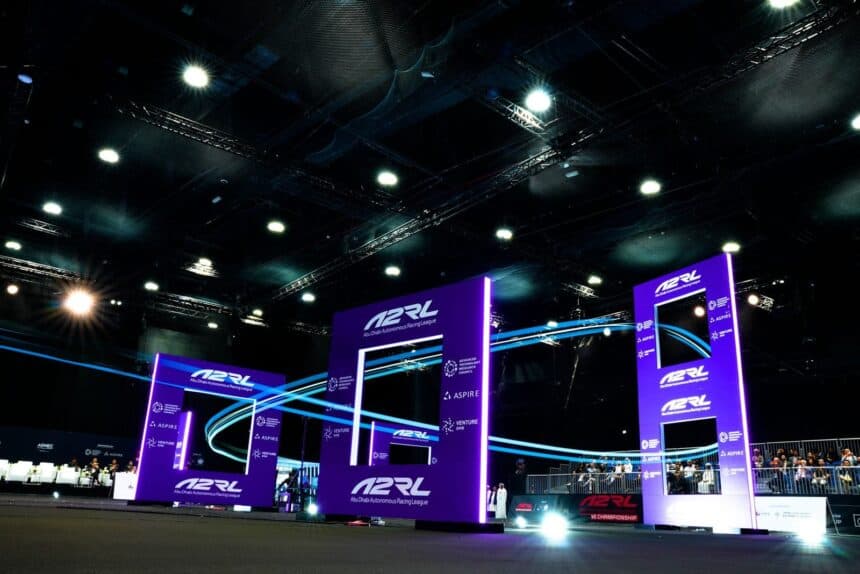
The Pavo Femto 2S rounds out the list as the compact option for pilots who want more punch than a tiny whoop without stepping into a bigger, pricier frame. The broader context makes that choice feel even more pointed: drone racing already has a World Games stage in Chengdu, FAI’s 2026 World Cup rankings will not be finalized until the APEX event on October 11, 2026, and the latest Mirror e-Drone Racing World Cup results, published on June 4, list Miron Cheremnykh and Yiran Sheng among the names at the sharp end of the sport.
This article was produced by Prism’s automated news system from verified source data, official records, and press releases, then run through automated quality and moderation checks before publishing. The system is built and supervised by the people who set the standards it runs under. Read our full AI policy.
Know something we missed? Have a correction or additional information?
Submit a Tip