Air Race X Unveils Remote-First 2026 Season with Broadcast-Grade Telemetry, Standardized Controls
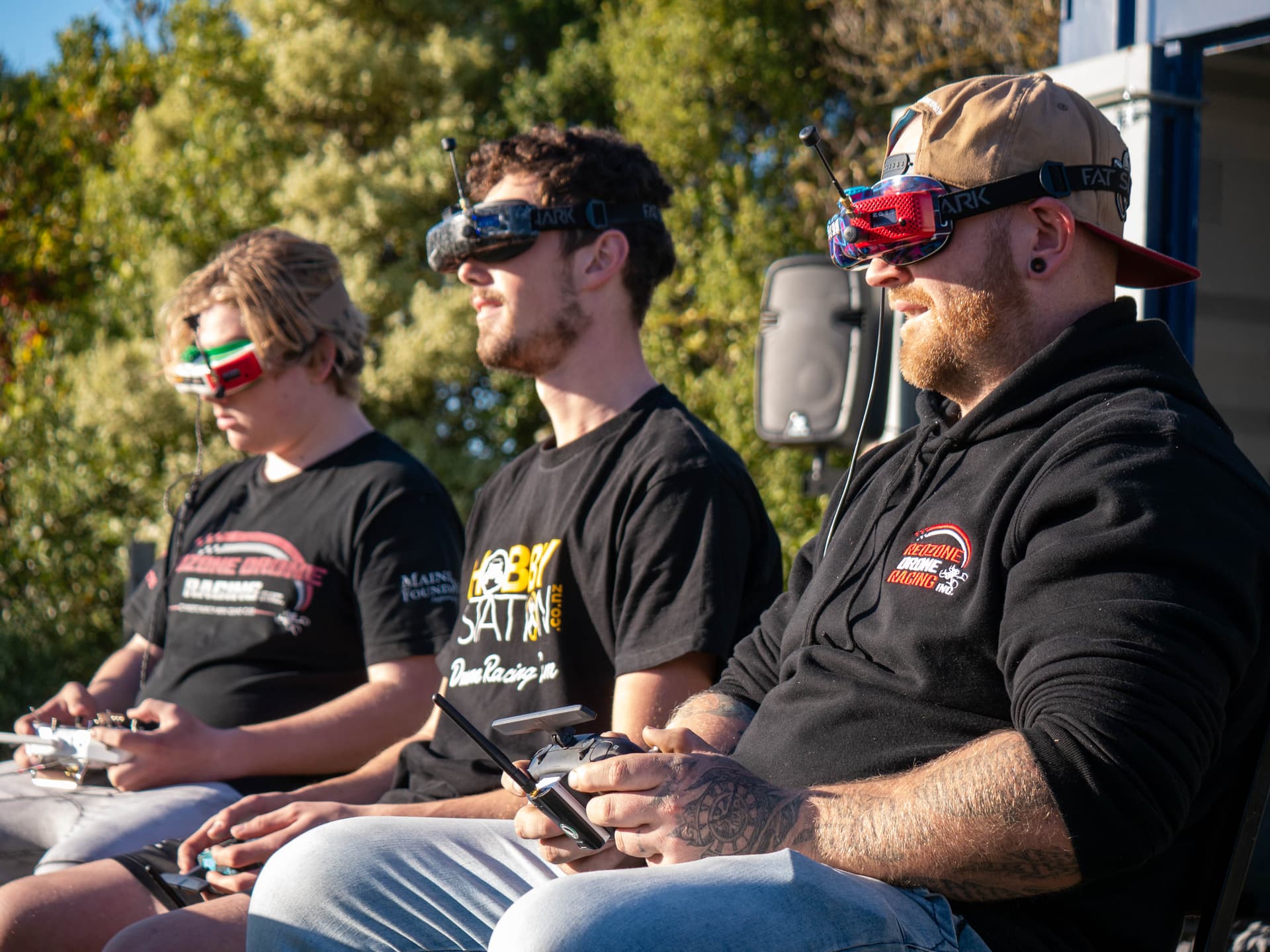
Air Race X plans a remote-first 2026 season that prioritizes geographically distributed heats, standardized remote-control infrastructure, and broadcast-grade telemetry.

Air Race X has positioned its 2026 season as a remote-first drone racing property that emphasizes geographically distributed heats, standardized remote-control infrastructure, and broadcast-grade telemetry, according to an industry write-up published within the last week that states, “An industry write‑up published within the last week describes Air Race X’s roadmap for its 2026 season as a remote‑first drone racing property that emphasizes geographically distributed heats, standardized remote-control infrastructure, and broadcast-grade telemetry. The a” The fragment ends mid-sentence, leaving technical specifics and schedule details unprinted in the material provided.
The write-up’s timing and truncation are explicit: it was published within the last week and the preserved excerpt terminates at “The a,” which means essential follow-ups are required. Key queries for Air Race X include the exact definitions of “standardized remote-control infrastructure,” latency and telemetry specifications for “broadcast-grade telemetry,” the planned geography for distributed heats, and the season calendar and qualification mechanics.
A separate, contemporaneous grassroots race illustrates the sport’s current cadence. A YouTube upload titled DRONE RACE 7 FEB 15 2026 posted by the Philippine Jockey Club (channel subscriber count 15,800; the video has 213 views) carries a noisy live call that finishes with an upset: “it's an upset for number seven easy touchdown second AI SK.” The video metadata lists posting on 15 Feb 2026 and the transcript captures a frenetic play-by-play with named entries including Dixie Sky, easy touchdown, Azin Taro, fly with the wind, motor and stroke / modern stroke, Kingwash Fabkan, bioenk, Maria, Azimo, Huffaranka, ESA El Nah, and AI SK.
The DRONE RACE 7 transcript preserves several transcription variants and contradictions that need verification. The commentator first identifies “Azin Taro the favorite” and later calls “Maria the outstanding favorite,” while the same excerpt also contains “Azimo” in a separate utterance. Entrant spellings vary between “motor and stroke” and “modern stroke,” and between “Kingwash Fabkan,” “King wash Fabkan,” and “King wash Fab.” The only clear competitive fact in the clip is the finish call naming number seven easy touchdown as the upset winner and AI SK in second.
There is no explicit linkage in the available material between Air Race X’s roadmap and the Philippine Jockey Club race. The industry write-up and the DRONE RACE 7 upload both fall in mid-February 2026, but the materials do not indicate that the club race is part of Air Race X’s planned geographically distributed heats. Verification steps include obtaining the full Air Race X write-up, requesting technical specs and season dates from Air Race X leadership, and asking the Philippine Jockey Club for official DRONE RACE 7 results, entrant rosters, and correct name spellings.
The contrast between the headline technical ambitions, standardized controls and broadcast-grade telemetry, and the on‑the-ground club footage, a dramatic upset on a 213-view clip from a 15,800-subscriber channel, crystallizes immediate editorial and commercial questions. Will Air Race X publish controller protocols, telemetry latency targets, and partner up with broadcasters to scale those club-level moments into high-quality remote finals? Those are the specific answers pilots, teams, and organizers will need before committing gear or entries to a remote-first 2026 season.
Know something we missed? Have a correction or additional information?
Submit a Tip