AK-compatible Mnogotochie Rounds Designed to Down FPV Racing Drones
Rostec unveiled AK-compatible "Mnogotochie" rifle rounds that disperse mid-flight to increase hit probability on small FPV drones, a development that narrows safe operating space for drone racing.

A new family of rifle-calibre cartridges designed to defeat small unmanned aerial systems has direct implications for FPV racing and event safety. Rostec announced late January 2026 that its Mnogotochie rounds, compatible with standard AK-family rifles, use projectiles that separate in flight to form a small dispersion pattern intended to raise the chance of striking fast, low-altitude targets such as FPV drones.
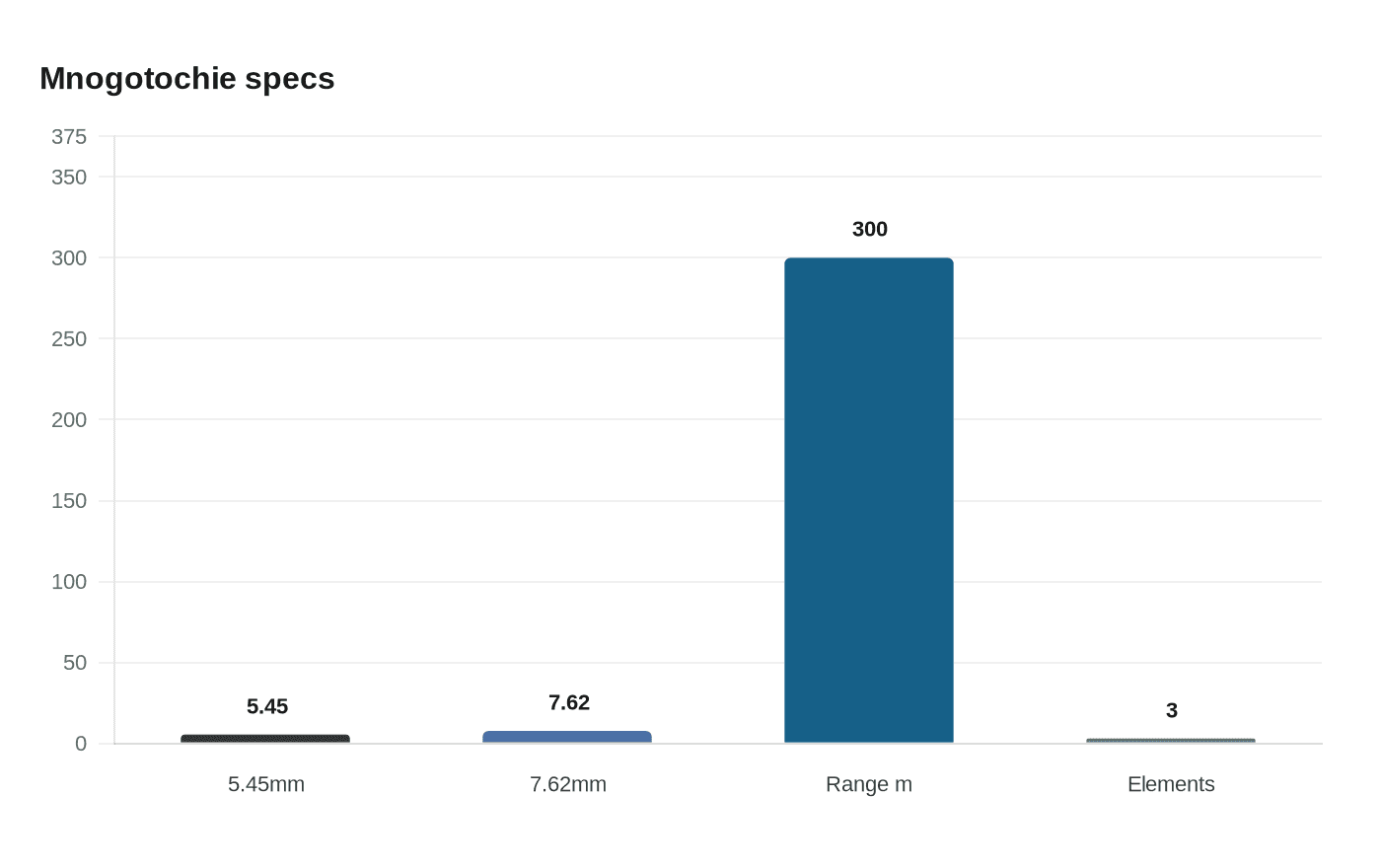
Mnogotochie comes in two reported calibres: a 5.45×39 mm variant designated SC-226 and a 7.62×54 mm variant designated SC-228. Each cartridge carries a three-element projectile that intentionally fragments into a controlled spread. Rostec described the design as a mid-range counter-drone option with an effective engagement envelope of roughly 300 meters and claimed about 2.5 times greater effectiveness against maneuvering drones compared with standard ammunition. The company also reported trial use in operational zones before the public announcement.
For drone racers the technical specifics matter because the rounds are intended to be used from existing infantry weapons without new platforms or attachments. Compatibility with AK-family rifles reduces barriers to deployment and could broaden the footprint of kinetic countermeasures in contested or sensitive airspace. The 300-meter engagement range extends beyond many typical line-of-sight recreational flights and into the kind of peripheral airspace where club races, practice sessions, and pop-up events often operate.
Immediate sports-side impacts include heightened venue risk assessments and insurance scrutiny. Pilots, race directors, and venue owners must monitor local enforcement practices and evolving no-fly zones as authorities react to emerging counter-UAS tools. Detection and non-kinetic protection measures such as geofencing, RF monitoring, net capture systems, and hardened event layouts may see accelerated adoption as organizers seek to protect pilots, spectators, and property without escalating liability.
The announcement also reverberates through the drone industry and event economy. Manufacturers of racing frames, flight controllers, and telemetry systems may prioritize redundant location reporting, failsafe behaviors, and quicker return-to-home triggers to reduce exposure. Suppliers of counter-UAS detection and mitigation gear stand to find increased demand from corporate campuses, stadiums, and local governments balancing safety and the recreational value of community races.
Culturally, the Mnogotochie development underscores an escalating intersection between military-grade countermeasures and grassroots sport. FPV pilots will need to weigh the thrill of flying gates and chasing lap times against a tightening regulatory horizon. Monitor local restrictions and detection/countermeasure technologies when planning meets and public displays. How the sport adapts over the next year will determine whether drone racing can preserve its open-air spontaneity or must migrate toward more controlled, hardened venues.
This article was produced by Prism’s automated news system from verified source data, official records, and press releases, then run through automated quality and moderation checks before publishing. The system is built and supervised by the people who set the standards it runs under. Read our full AI policy.
Did this article answer your question?