Anduril launches AI Grand Prix, autonomous drone race draws 1,000 teams
Anduril’s autonomous drone series drew more than 1,000 teams in 24 hours, with identical Neros drones putting software, not piloting, on trial.
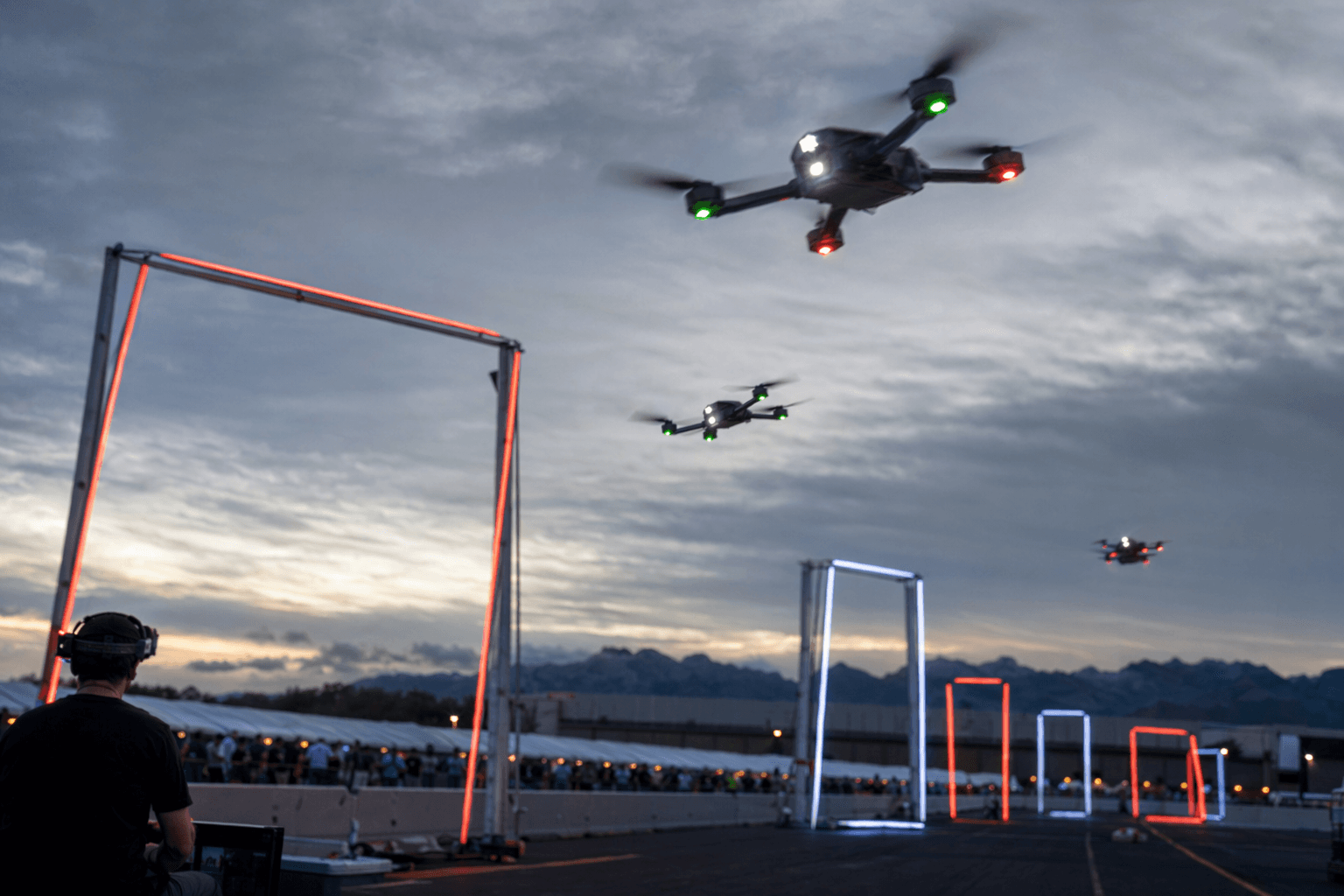
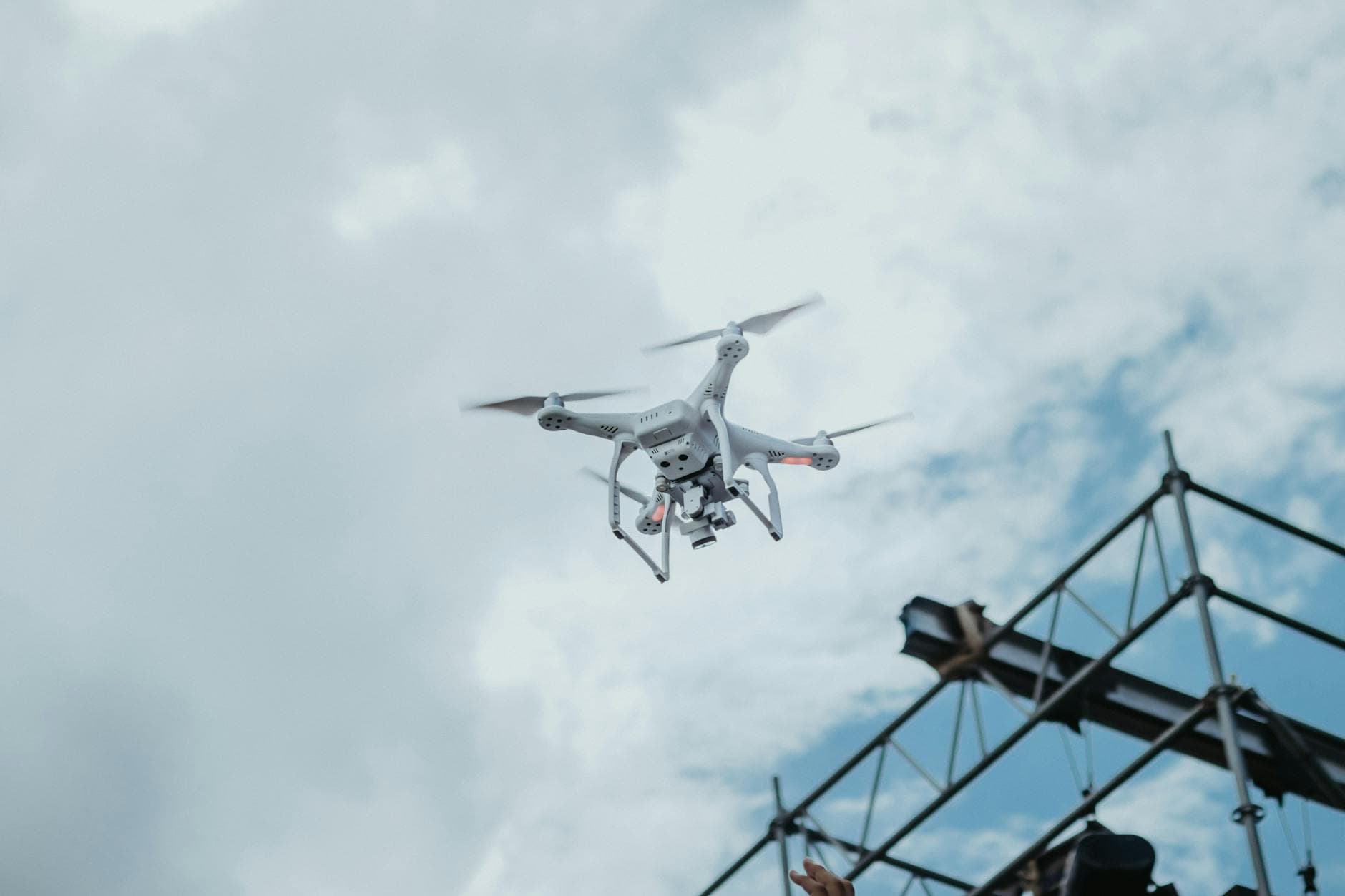
Anduril has turned drone racing into a software showdown. The company’s AI Grand Prix will put identical autonomous drones from Neros Technologies on the course, with no human pilots and no hardware tweaks allowed, making perception, control and decision-making the only edge that matters.
The contest, announced on January 27, 2026, drew more than 1,000 teams within 24 hours, a sign that the draw is not just the $500,000 prize pool. The bigger prize may be the job offer. Winning participants, or one eligible member of the highest-scoring team, will be able to interview directly for open roles at Anduril, skipping the company’s standard recruiting process.
That changes the shape of the race. In traditional drone competition, stick skills can mask a flawed machine or elevate a great one. Here, every team gets the same aircraft, and the scoreboard will reflect the quality of the autonomy stack. The AI Grand Prix uses a DCL-built platform and Python-based AI algorithms, pushing teams to solve the hard problems: sensing the course, reading obstacles, and controlling speed through the gate sequence without a human hand on the sticks.
The field is wide open. Individuals, university teams, research organizations and independent engineers from around the world can enter, with teams limited to eight people. Anduril is also making entrants pay their own way for travel and lodging, which means the real barrier is not access to a factory-backed team but the ability to build better software than everyone else.
Season 1 will start with a virtual qualification phase in April through June 2026. The top teams will then move on to two weeks of in-person training and qualification in September in Southern California before the live final in November in Columbus, Ohio. Anduril will host that final with JobsOhio, tying the race to the company’s broader push in Central Ohio and its Arsenal-1 manufacturing facility.
Palmer Luckey conceived the competition, and the setup feels like a test case for where drone racing goes next. It could become a parallel sport, a recruiting pipeline for defense and robotics talent, or the first real proof that the future of racing belongs to the best algorithms as much as the best reflexes. Anduril says the series will eventually expand to Asia, the Middle East and Europe, which would turn this from a one-off experiment into a global circuit built around autonomy itself.
This article was produced by Prism’s automated news system from verified source data, official records, and press releases, then run through automated quality and moderation checks before publishing. The system is built and supervised by the people who set the standards it runs under. Read our full AI policy.
Did this article answer your question?