QDron Race Tests Consistency with 32-Pilot Top 3 Consecutive Format
QDron’s 32-pilot race traded raw speed for repeatable laps, making clean lines and mistake-free execution the real edge.
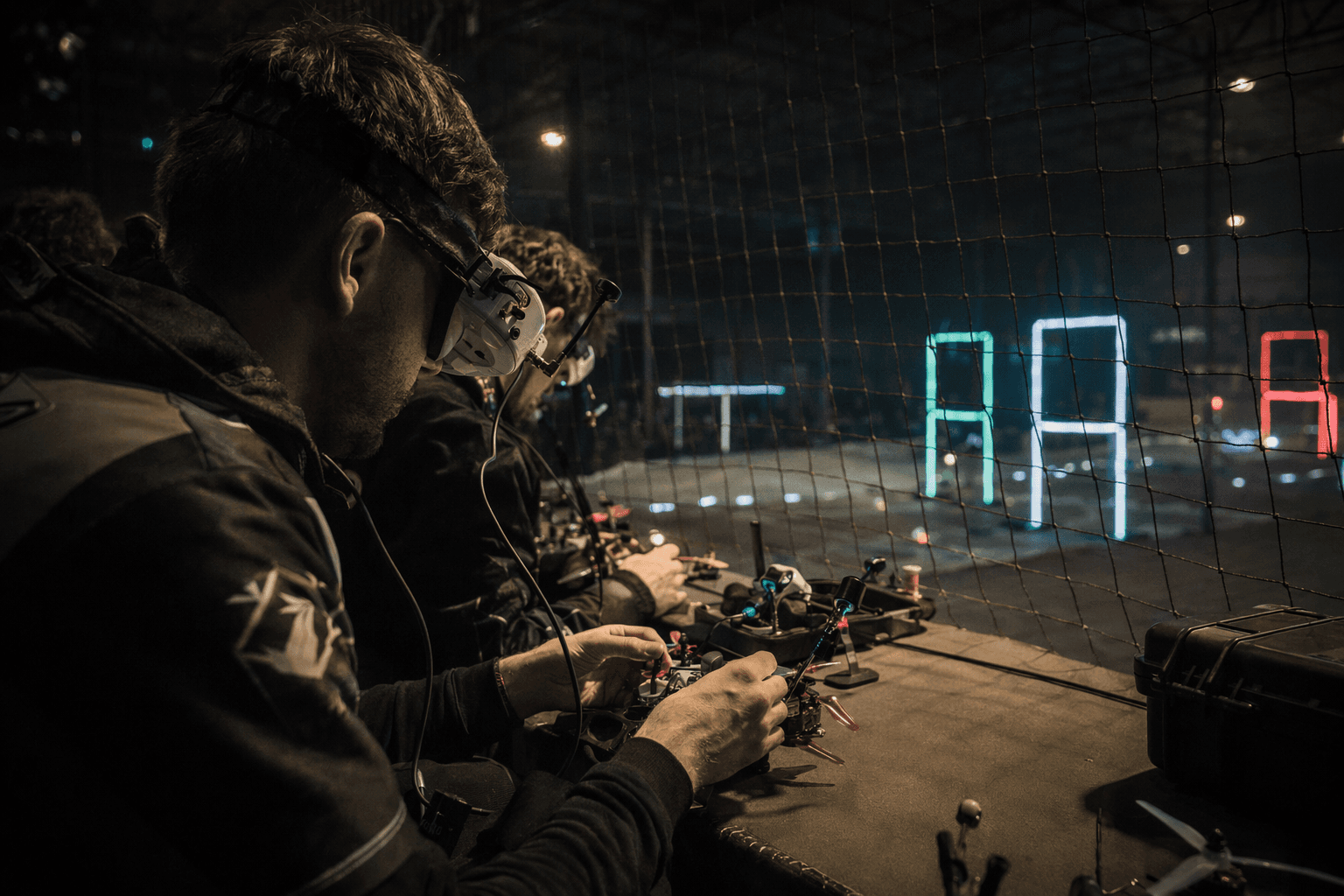
QDron Racing Team’s May 2 race turned into a straight test of nerve, not a one-lap dash. The 32-pilot field used a Top 3 Consecutive format, which pushed pilots to string together their best back-to-back laps and rewarded the kind of control that survives traffic, pressure, and small errors.
That mattered because consecutive-lap scoring changes the race itself. A pilot could post a fast burst and still lose ground if the next lap drifted, clipped a gate, or forced a recovery that broke rhythm. In a format like this, clean lines, line discipline, and risk management were the difference between looking quick and actually staying near the top of the board. The race was as much about avoiding compounding mistakes as it was about outright pace.
FPV Scores listed the QDron Race alongside other May 1 and May 2 events, underscoring how crowded the early-season calendar had become. The platform, which handles lap timing, results, and event management, had 745 events listed, giving the QDron meeting the feel of a local stop inside a much larger competitive circuit. A 32-pilot grid was large enough to create traffic and leaderboard pressure, but still compact enough to keep the meet tightly run.

The format also lined up with the broader direction of the sport. MultiGP says it is the largest professional drone racing league in the world, with more than 30,000 registered pilots and over 500 active chapters worldwide. Its RaceSync system defines Fastest 3 Consecutive Laps by sorting pilots on their best three consecutive laps, and its Collegiate Drone Racing Association rules say scoring is based on the fastest three consecutive lap times completed on the course. In CDRA standings, team scores are built from the top three pilot scores from a school or chapter, another sign that depth and consistency are becoming as valuable as raw ceiling speed.
That shift gives races like QDron a different kind of drama. Instead of waiting for one hero lap, the sport asks who can keep the quad settled, protect the machine, and recover instantly after a wobble without letting the whole run unravel. For QDron Racing Team, May 2 was not just another date on the calendar. It was a pressure cooker that favored the pilots built for repeatability, and in a season filling fast with events, that may be the most important skill of all.
This article was produced by Prism’s automated news system from verified source data, official records, and press releases, then run through automated quality and moderation checks before publishing. The system is built and supervised by the people who set the standards it runs under. Read our full AI policy.
Did this article answer your question?