Anduril Launches Fury Drone Production, Bridging FPV Tech and Military Aviation
Anduril's 836,000-sq-ft Arsenal-1 factory began building YFQ-44A Fury prototypes on March 23, three months ahead of schedule, with direct tech lineage tracing back to FPV racing systems.
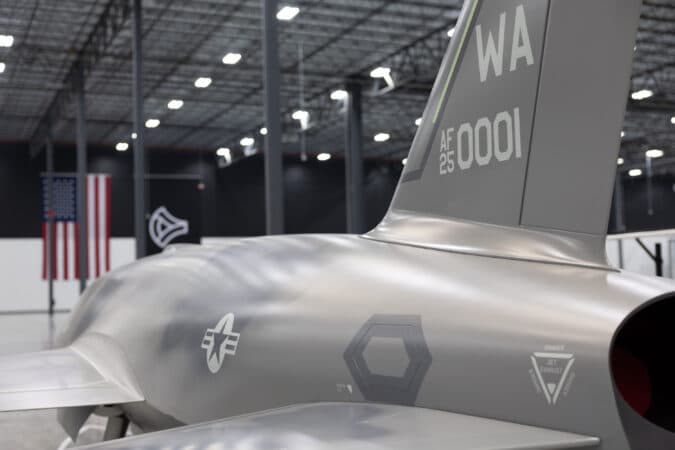
The telemetry signatures are familiar to anyone who has flown a 5-inch freestyle quad at speed: high-bandwidth video downlink, sub-millisecond control latency, autonomous flight assistance engaging at the edge of a pilot's input range. Those same engineering principles underpin the YFQ-44A Fury, and on March 23, Anduril Industries began building them on a production line.
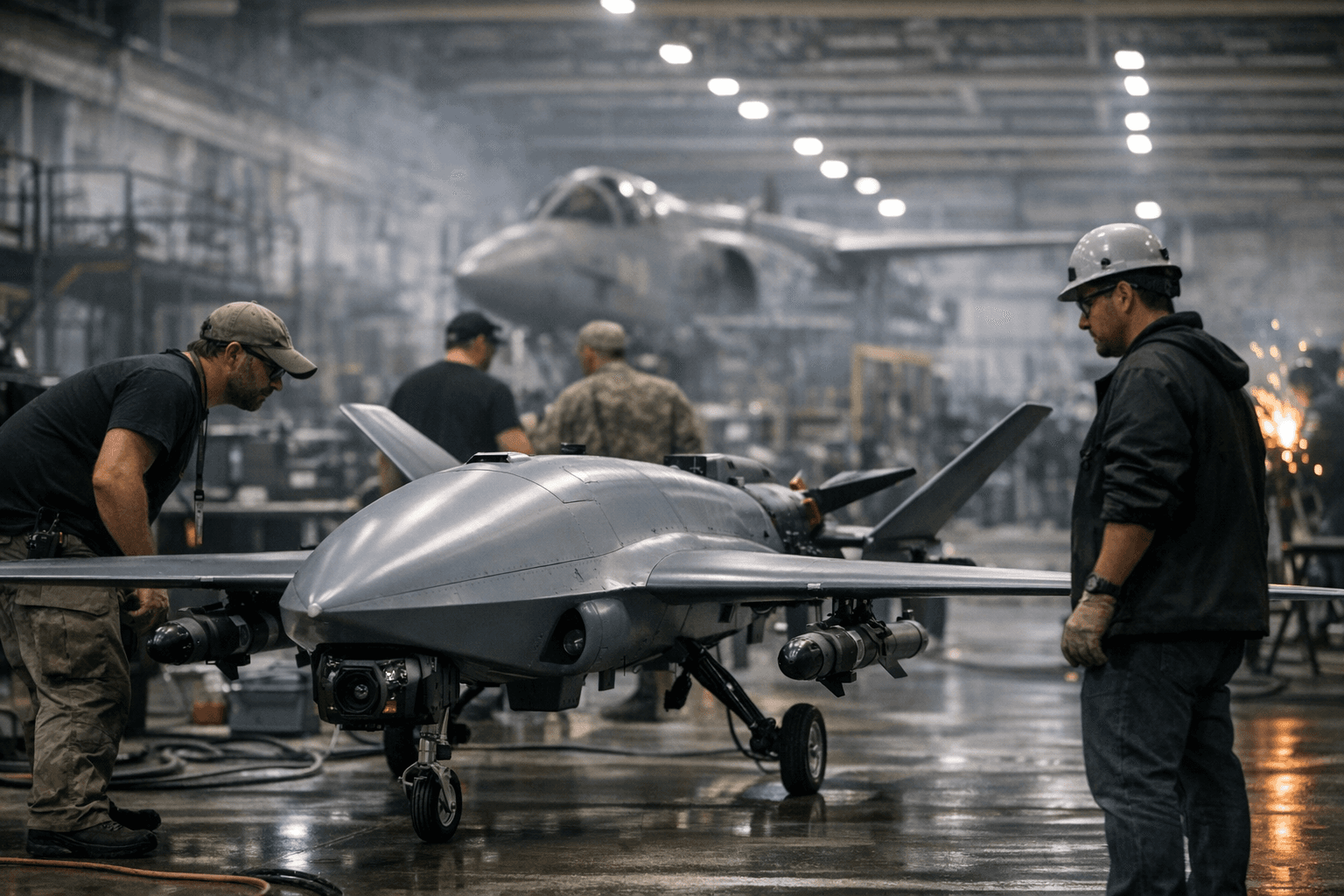
Arsenal-1, Anduril's 836,000-square-foot manufacturing facility near Rickenbacker, Ohio, confirmed its first Fury prototypes and early production units that week, marking the formal start of fabrication work under the U.S. Air Force's Collaborative Combat Aircraft program. The plant opened roughly three months ahead of schedule, with a dedicated "Fury Launch Team" already trained and stationed at modular workstations designed to expand output as contracts demand.
The facility's floor plan is built for scale. Modular workstations can be reconfigured and added as production ramps, giving Anduril the ability to adjust manufacturing throughput without retooling the entire line. Company executives used a media tour and briefings to outline the capacity planning logic: the initial production run lets the team iterate on manufacturing processes while sustaining a hiring pipeline across avionics, software, and assembly disciplines.
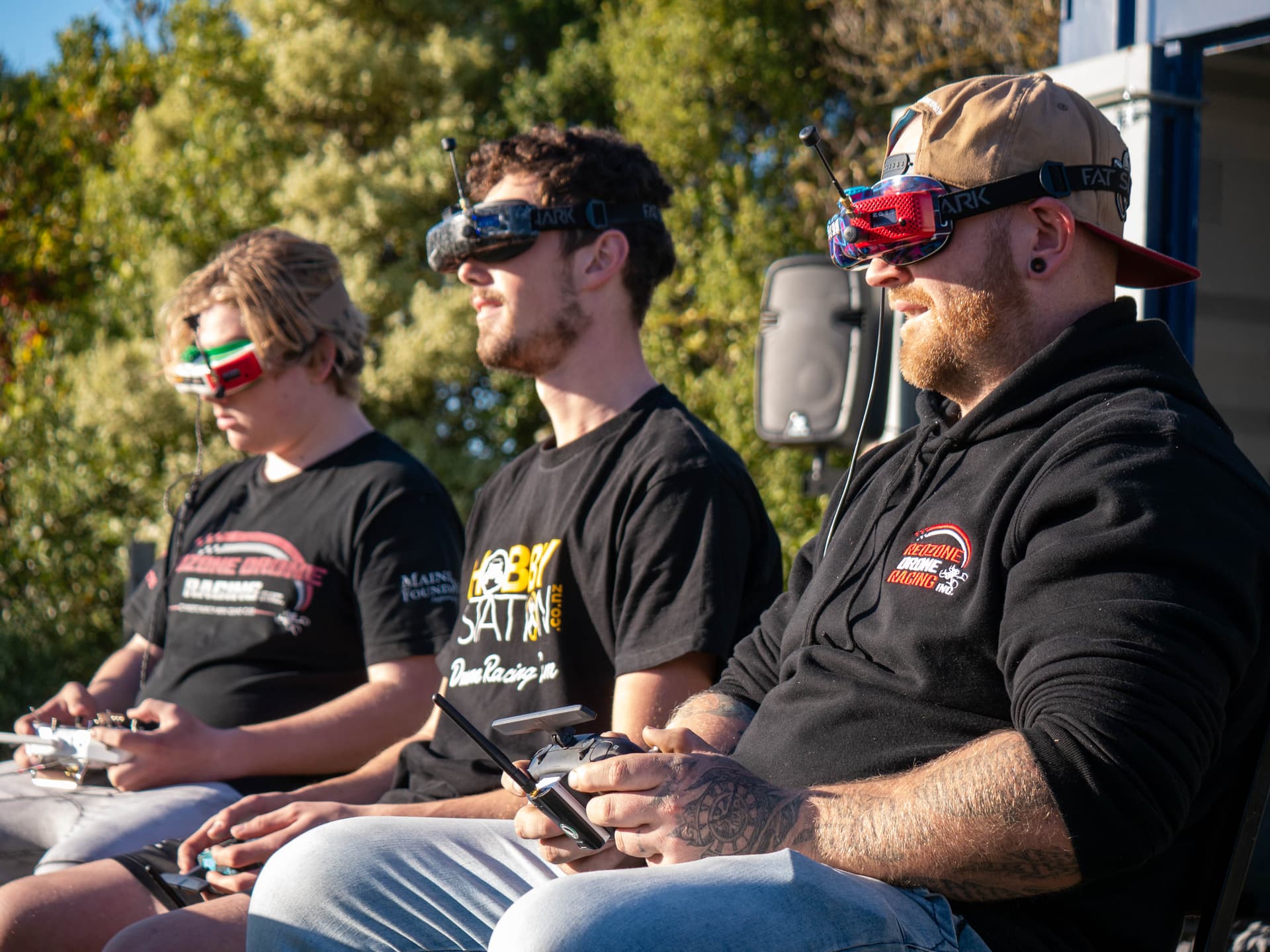
For FPV pilots, the technology convergence here is specific rather than rhetorical. The Fury and comparable autonomous combat aircraft prioritize the same performance characteristics that define competitive drone racing: high-bandwidth video links, low-latency control loops, and advanced flight controllers with autonomy assistance layered on top. Sensor miniaturization, high-performance propulsion insights, and vision stacks stress-tested in racing and simulator competition all share engineering DNA with mission-oriented uncrewed systems.
That overlap carries practical consequences. Defense manufacturing at Arsenal-1's scale can shift commercial parts availability and affect costs downstream, while autonomy research developed for systems like the Fury feeds directly back into the FPV world's flight controller and telemetry software ecosystem. Analysts covering the CCA program noted that prototype production and integration testing ahead of schedule accelerate the investment and talent flows already moving between the racing community and defense suppliers.
Anduril's roadmap positions Arsenal-1 as more than a single-program factory. The three-month schedule advantage validated the facility's operational model before it reached full capacity, and the company framed the Fury launch as the first proof of what the site can sustain across its broader product portfolio.
Know something we missed? Have a correction or additional information?
Submit a Tip