April 2026 FPV goggles guide compares DJI, Walksnail, analog choices
The goggles choice now shapes race-day speed, upgrade cost, and future compatibility, with 12 models showing where DJI, Walksnail, and analog actually help pilots.
Why this decision matters at the gate
The FPV goggles on a racer’s face can decide how cleanly a quad threads a gate, how much latency a pilot is managing in a heat, and how tired that pilot feels after back-to-back practice runs. OnlyCaptions’ April 2026 guide makes that point unmistakable by testing 12 models across DJI, Walksnail, and analog systems for performance and value, right as more pilots are deciding whether to stay with legacy gear or move deeper into digital. That is why this is not a comfort-only purchase. It is a race-day tool, a budget decision, and a compatibility bet on how you want your 2026 season to look.
What stands out in the guide is the scale of the comparison itself. Twelve goggles across three ecosystems is a strong signal that the category has matured beyond a simple buy what you can afford mindset. Racers now have to weigh image clarity, latency, fit, low-light handling, indoor clutter, and whether a goggle can survive the demands of multi-heat days without becoming a distraction.
The race-day tradeoff behind each ecosystem
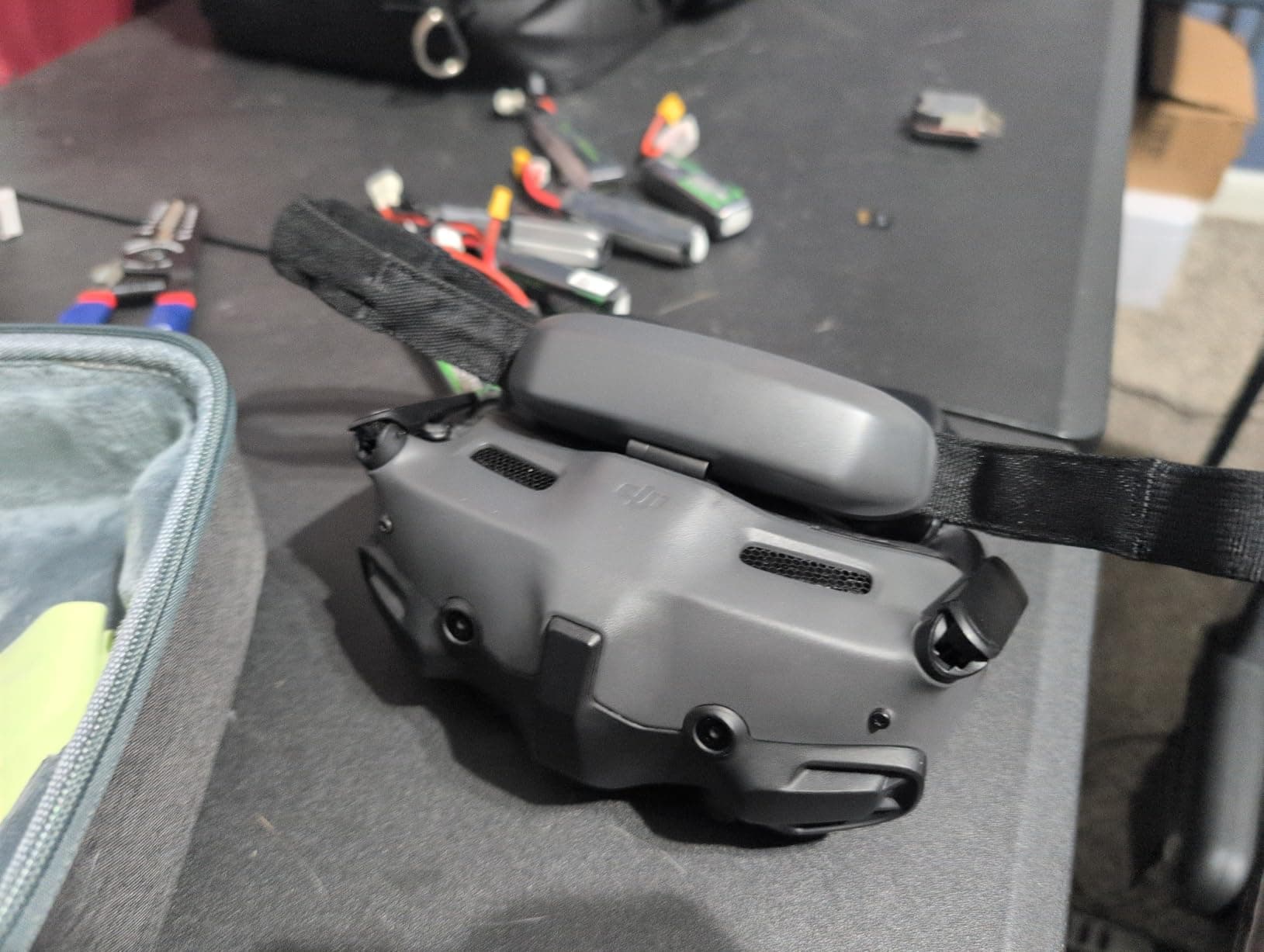
DJI sits on the premium digital end of the conversation, and its appeal is obvious when clean image and easier viewing matter more than absolute thrift. DJI Goggles 3 use dual Micro-OLED screens, and with the DJI Avata 2 the company lists latency as low as 24 ms at 1080p/100fps and 40 ms at 1080p/60fps. DJI also states a maximum transmission distance of 13 km under FCC conditions with the Avata 2, which matters less for a closed-course race than it does for how far the system pushes the idea of stable digital link performance.
That combination explains why DJI keeps drawing pilots who want a polished, high-confidence picture. In race terms, a sharper image can reduce hesitation at gates and help pilots trust what they are seeing when the course gets tight or the lighting turns ugly. The tradeoff is the one racers already know well: premium digital systems tend to ask for a larger up-front commitment, and once you are inside an ecosystem, future upgrades can come with compatibility strings attached.
Walksnail occupies the middle lane, and that is exactly where many pilots will spend their time thinking. Walksnail Avatar HD Goggles X are listed with 1080p/100fps, a 50-degree field of view, a 290g weight, HDMI input and output, AV input, and support for analog signals. That makes them more flexible than a locked-in digital setup, especially for pilots who are trying to bridge into HD without throwing away older equipment.
That flexibility matters in racing because the first upgrade is rarely the last. A goggle that can move between digital and analog signals gives a pilot a practical path through the 2026 season: train on one system, race on another, or keep legacy quads in rotation while new builds come online. The result is less waste and fewer dead ends, which has become a real concern as pilots look harder at long-term value instead of only image quality.
Analog remains the budget-and-repairability option, and it still has a hold on racing because of that simplicity. It is cheap, forgiving, and backed by a deep installed base that many clubs and race crews already understand. Independent 2026 commentary continues to frame analog as the practical choice for pilots who care about affordability and easy fixes, while digital systems remain the route for the best image quality. That split is not glamorous, but it is still the foundation of a lot of race programs.
What racers are really buying
The real decision is not analog versus digital in the abstract. It is whether your goggles help you make fewer mistakes when the course gets chaotic. A competitive pilot needs low latency, a stable link, and compatibility with the VTX ecosystem already on the bench. A newcomer needs something forgiving, comfortable, and not absurdly expensive. The wrong choice can make a fast quad feel harder to place cleanly through a course, which is why goggles deserve the same seriousness as motors, batteries, and flight controller tuning.
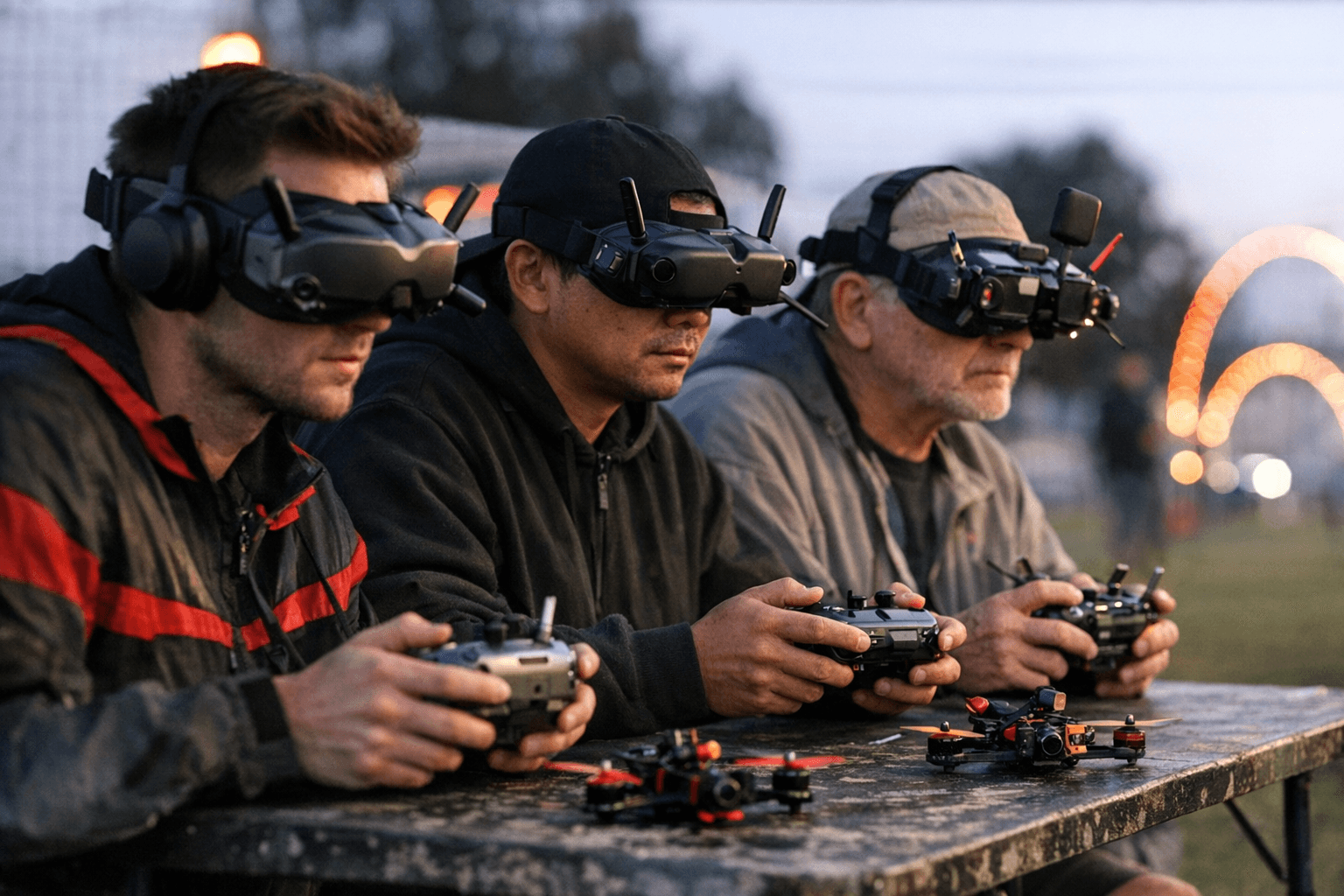
There is also a physical cost to racing that gets overlooked in spec sheets. A goggle that feels light, balances well, and avoids eye strain matters when you are staring down multiple heats and repeated line changes. That is part of why the 290g Walksnail unit and the dual-screen DJI approach are worth close attention. One is built around flexibility, the other around a premium visual experience, and both address the fatigue problem in different ways.
Why the rules and the scene make this a bigger story
This debate is happening inside a sport that is becoming more formal and more global. FAI’s 2025 World Games drone-racing sporting rules require the pilot to wear a headset goggle that receives the onboard camera video in real time. That is more than a technical note. It is a reminder that FPV goggles are not a niche accessory anymore. They are part of the sporting definition of the event itself.
The scale of the scene reinforces that point. MultiGP said its 2024 Championship drew over 900 elite pilots from around the globe through the Global Qualifier season. When that many racers are chasing the same narrow advantage, a goggle choice stops being a consumer preference and becomes a competitive edge. In that context, every millisecond, every bit of image clarity, and every compatibility decision has business value as well as sporting value.
Where HDZero fits in the competitive picture
HDZero sits in a different part of the conversation, but it belongs in any serious race-day guide. The HDZero Goggle 2 is marketed as an all-in-one digital and analog-supporting goggle with an ultra-low-latency focus. That positioning explains why it keeps showing up in racing discussions: some pilots care less about the flashiest picture and more about responsiveness and consistency under pressure.
That matters because the current market is no longer a simple two-way fight. Independent 2026 comparisons keep pushing the conversation toward a three-way reality: DJI for image quality and ecosystem strength, Walksnail for mixed-use flexibility, and HDZero for latency-focused racing use cases. Analog still holds its place because it is inexpensive and fixable, but the smart money in 2026 is increasingly on pilots who know exactly which compromise they are making.
The practical takeaway for 2026 setups
The most important shift is cultural as much as technical. Racers are thinking about goggles as part of the chassis of performance, not just a screen they strap on before a heat. The OnlyCaptions guide gets that right by comparing 12 models across the three main paths, because the market is no longer asking whether digital exists. It is asking which system best fits the way a pilot actually races.
For a pilot building toward the 2026 season, the decision is now clear in structure even if it is not always easy in cost. DJI rewards those who want a premium digital experience and can live inside its system. Walksnail gives more room to move between digital and analog worlds. Analog remains the most affordable path and the most repair-friendly fallback. HDZero keeps the low-latency race crowd honest. Together, they show that the goggles choice can shave mistakes, preserve upgrades, and shape how competitive a pilot feels from the first gate to the final lap.
This article was produced by Prism’s automated news system from verified source data, official records, and press releases, then run through automated quality and moderation checks before publishing. The system is built and supervised by the people who set the standards it runs under. Read our full AI policy.
Did this article answer your question?