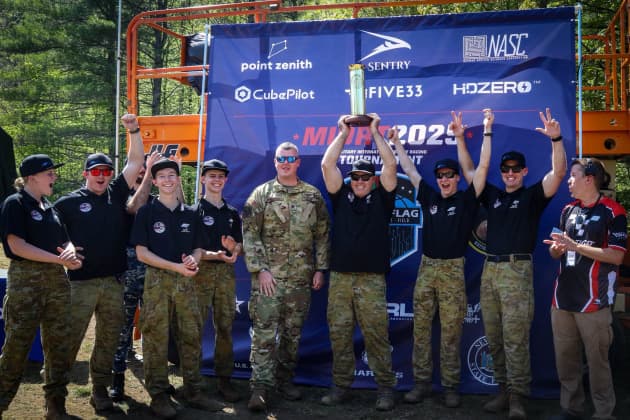
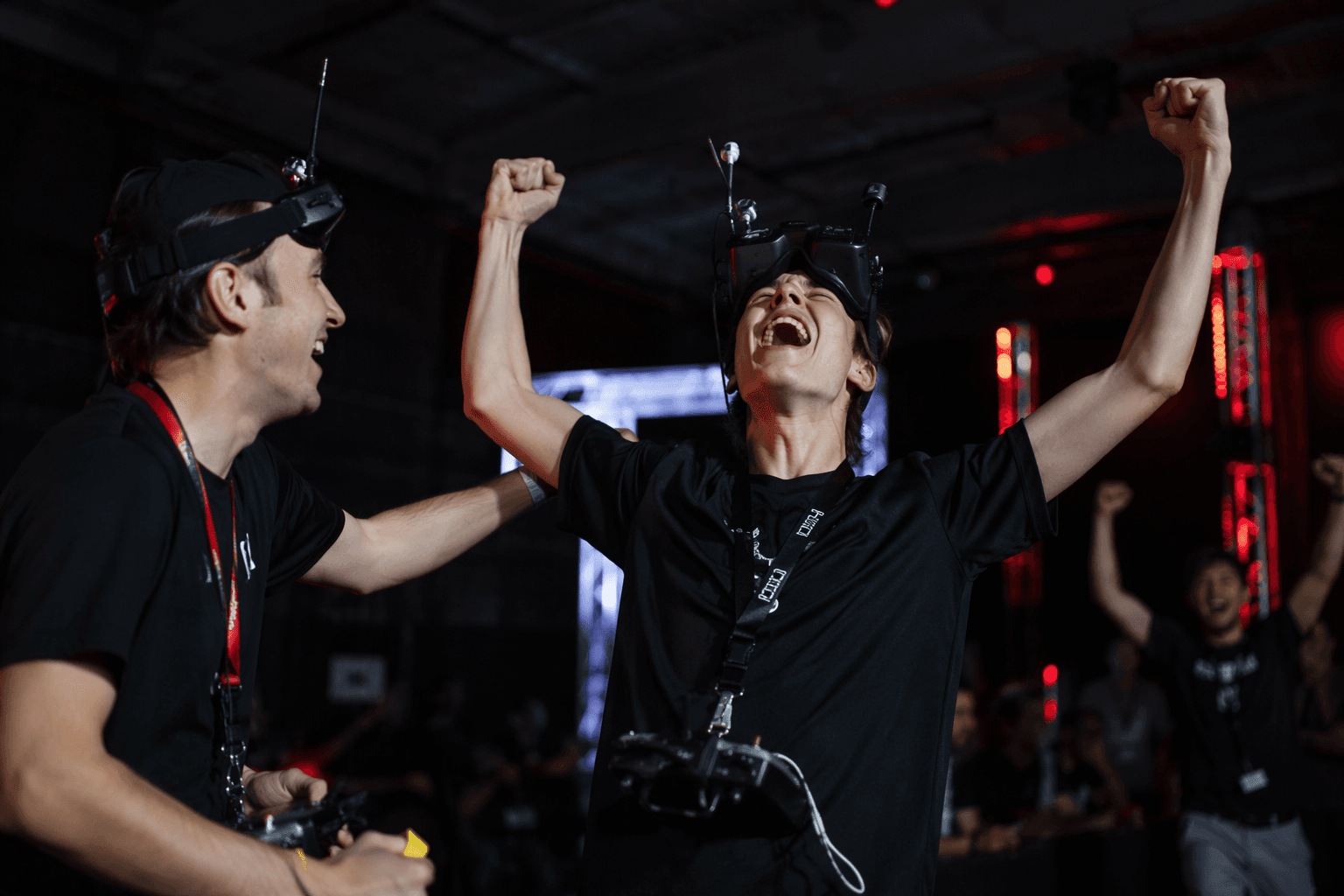
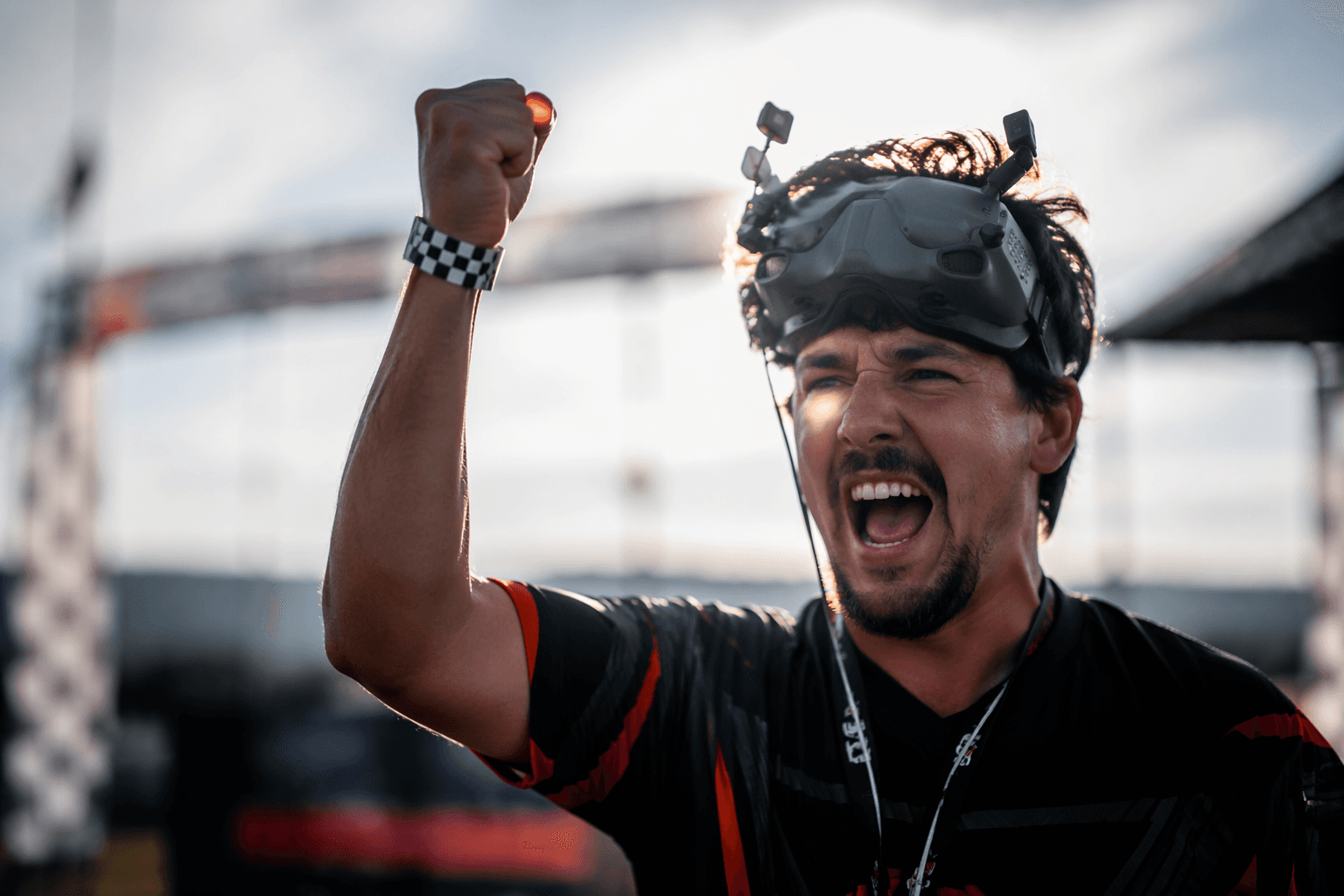
Army drone team showcases speed and skill at national competition
The Army Drone Team raced at Full Sail University with a 20-pilot roster, showing how a packed national field has become a proving ground for elite FPV talent.
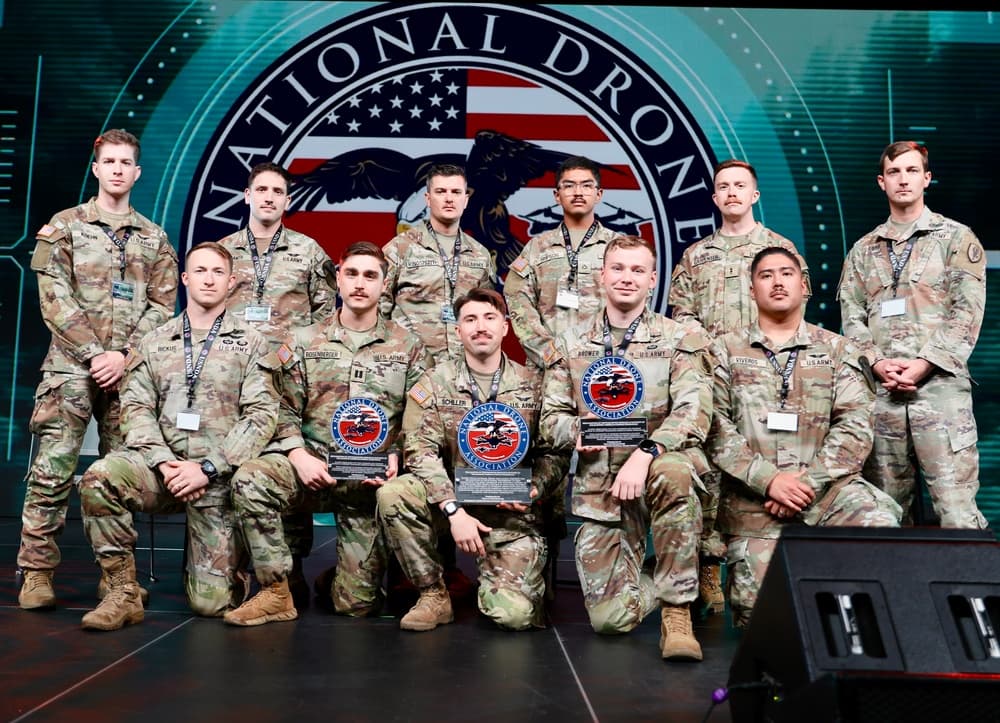
A 20-pilot Army roster, backed by 10 alternates, turned the National Drone Association Conference at Full Sail University into a clear measuring stick for how far military drone racing has come. Capt. Jacob Bickus, the UH-60 pilot who led the unit from Fort Rucker, Alabama, put the U.S. Army Drone Team in the same race lane as civilian pilots and competitors from other military branches in the drone maneuver competition at Orlando and Winter Park.
That mattered beyond the stopwatch. The Army entered the Dec. 2-3 event with a team that had already shown it could compete, after its initial members finished second against other Department of Defense teams. By putting that group into a national field, the service used the Florida venue as a test of speed, precision and repeatability, not just as a showcase. The broader USNDA25 schedule stretched the competition narrative even further, with a Military Drone Crucible set for Dec. 4-6 at Camp Blanding, Florida, giving racers a second high-pressure proving ground in the same week.

Bickus and the Army’s leadership have built the program quickly since its official launch in September. The team’s earlier stops included the International Drone Racing Tournament in the United Kingdom and a drone crucible event at Avon Park, Florida, a sign that the Army wanted early exposure to different courses, formats and pressure levels rather than a one-off exhibition. That approach fits the service’s broader push into unmanned systems, from the Unmanned Advanced Lethality Course opened at Fort Rucker in August 2025 to the wider drive to build drone talent across the force.
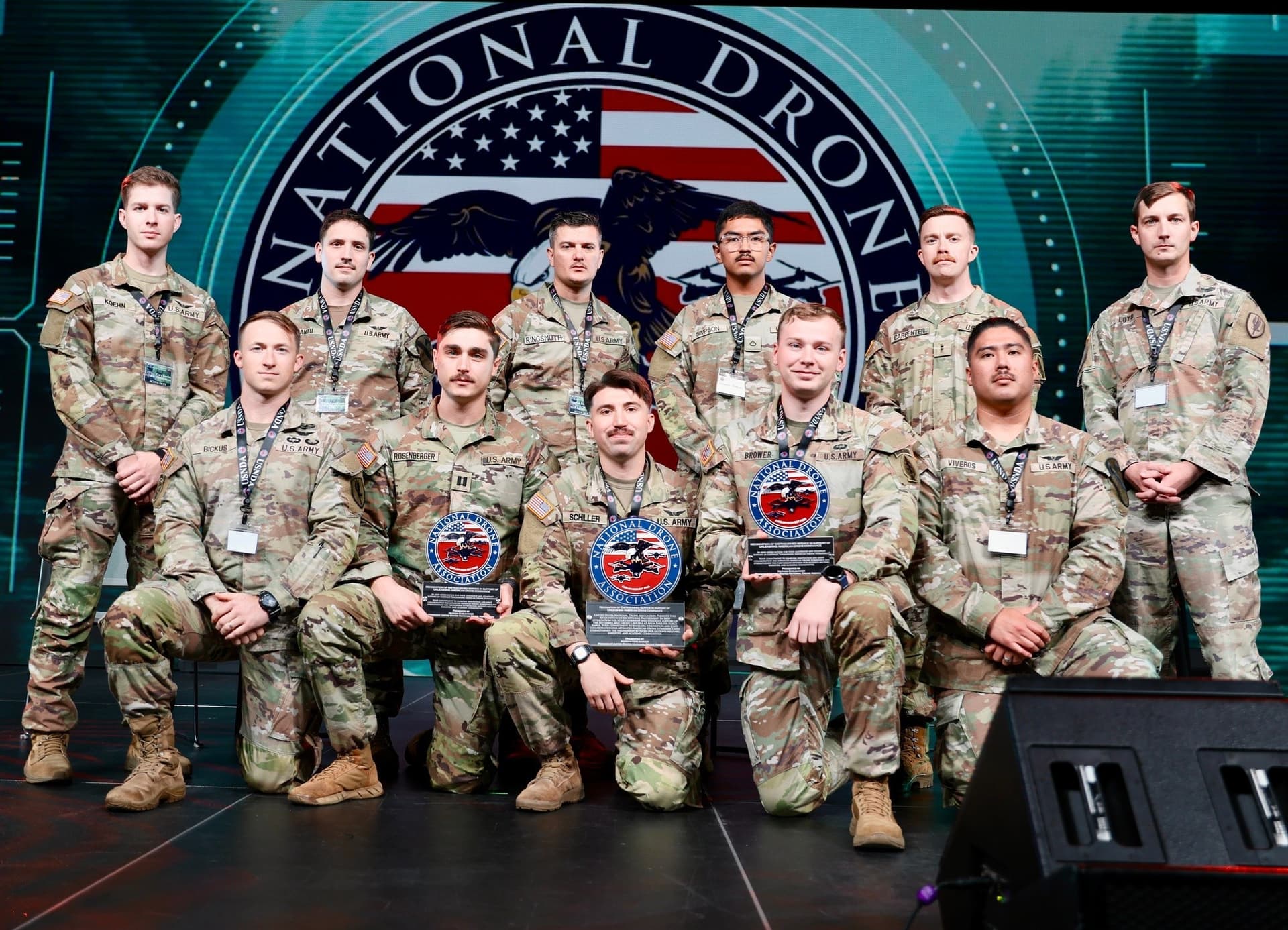
The roster-building process was as competitive as the racing. Soldiers applied through a password-protected VelociDrone track coordinated with the United States National Drone Association, and more than 120 Soldiers entered the selection pipeline. Fifty were interviewed before the final group was set, and the mix of infantry, aviation, military police and cyber backgrounds gave the team a depth that went beyond pure FPV skill. The Army said the unit was designed to build visibility, support recruiting and provide tactical and developmental input, making race-day performance part of a larger training and talent-development system.

That context helps explain why the Florida event drew attention. With the Pentagon’s Drone Dominance program aiming to buy more than 200,000 drones by 2027, the sport is increasingly tied to real institutional demand. Full Sail University and Camp Blanding were not just host sites for another niche meet. They became the kind of venues where elite teams, military or civilian, could show they belonged in a faster, deeper and more legitimate competitive landscape.
This article was produced by Prism’s automated news system from verified source data, official records, and press releases, then run through automated quality and moderation checks before publishing. The system is built and supervised by the people who set the standards it runs under. Read our full AI policy.
Did this article answer your question?