Australian Blackbird FPV Drone Sets Unofficial 696 km/h World Speed Record
Ben Biggs' $3,000 garage-built Blackbird hit 690 km/h over the Australian outback - but no official observer showed up to make it count.

Somewhere over the Australian outback, a battery-powered quadcopter built for roughly the price of a decent used car reportedly blasted past 690 km/h. The Guinness Book of Records wasn't watching.
That's the central tension in the latest chapter of the Blackbird story. Australian aerospace engineer Benjamin Biggs and pilot Aidan Kelly of Drone Pro Hub posted a video to their YouTube channel showing the Blackbird FPV drone reaching what one source reported as a peak of 696 km/h, with a separate source clocking 690 km/h (428.8 mph) in the footage. A two-run averaging method, conducted against the wind and then downwind over a measured 100-metre distance, produced a calculated average of 661 km/h. That figure, if accepted, would sit 3 km/h above the current Guinness-ratified mark of 658 km/h held by the Bell family.
The official record, however, remains exactly where it was. Because Biggs couldn't secure a professional observer to witness the attempt in rural Australia on short notice, the runs stay off the books. The speed is real on video; the record is not real on paper.
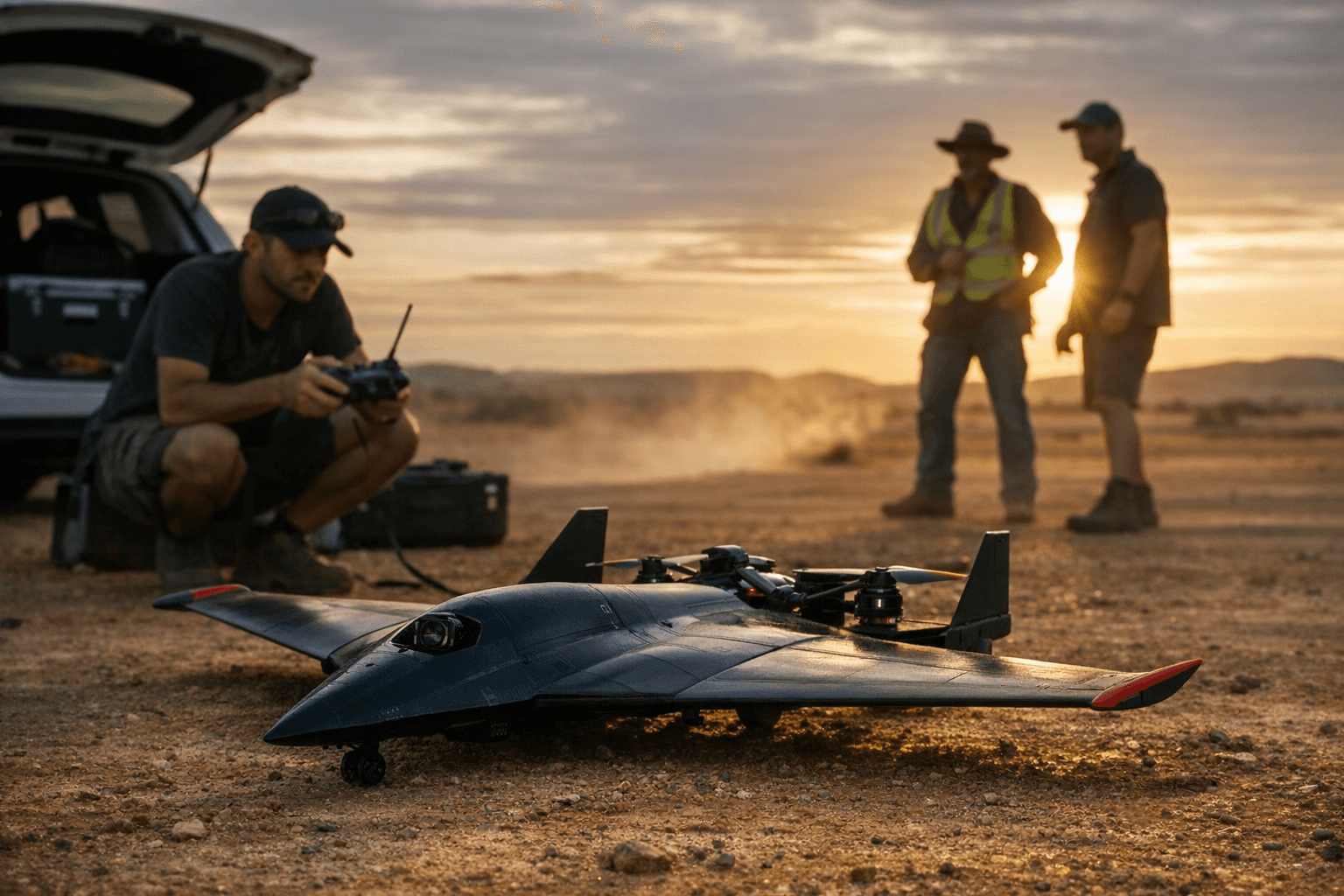
The backstory matters here. In December 2025, Biggs' Blackbird became the Guinness-certified fastest quadcopter in the world after hitting 626 km/h. Within days, South African father-and-son team Luke Bell and Mike Bella answered with their Peregrine V4, reaching 658 km/h in a run that Guinness also confirmed and recorded. Two Guinness records fell inside a single month, and Biggs responded to the Bell family's implicit challenge by going back to the workshop.
The 2026 version of the Blackbird is a meaningfully different machine. Biggs optimized the aerodynamics of the hull and load-bearing elements, reduced overall structural weight, and installed AAX 2826 Competition electric motors capable of spinning to 34,000 rpm. He also reconfigured the power system, running two batteries in parallel to distribute load and cut heat generation per cell, then added further engineering solutions targeting heat resistance and system stability. The total cost of those improvements came to approximately $3,000, which, combined with the original build, puts the entire craft at component costs that TechRadar noted are not much higher than a premium consumer camera drone.
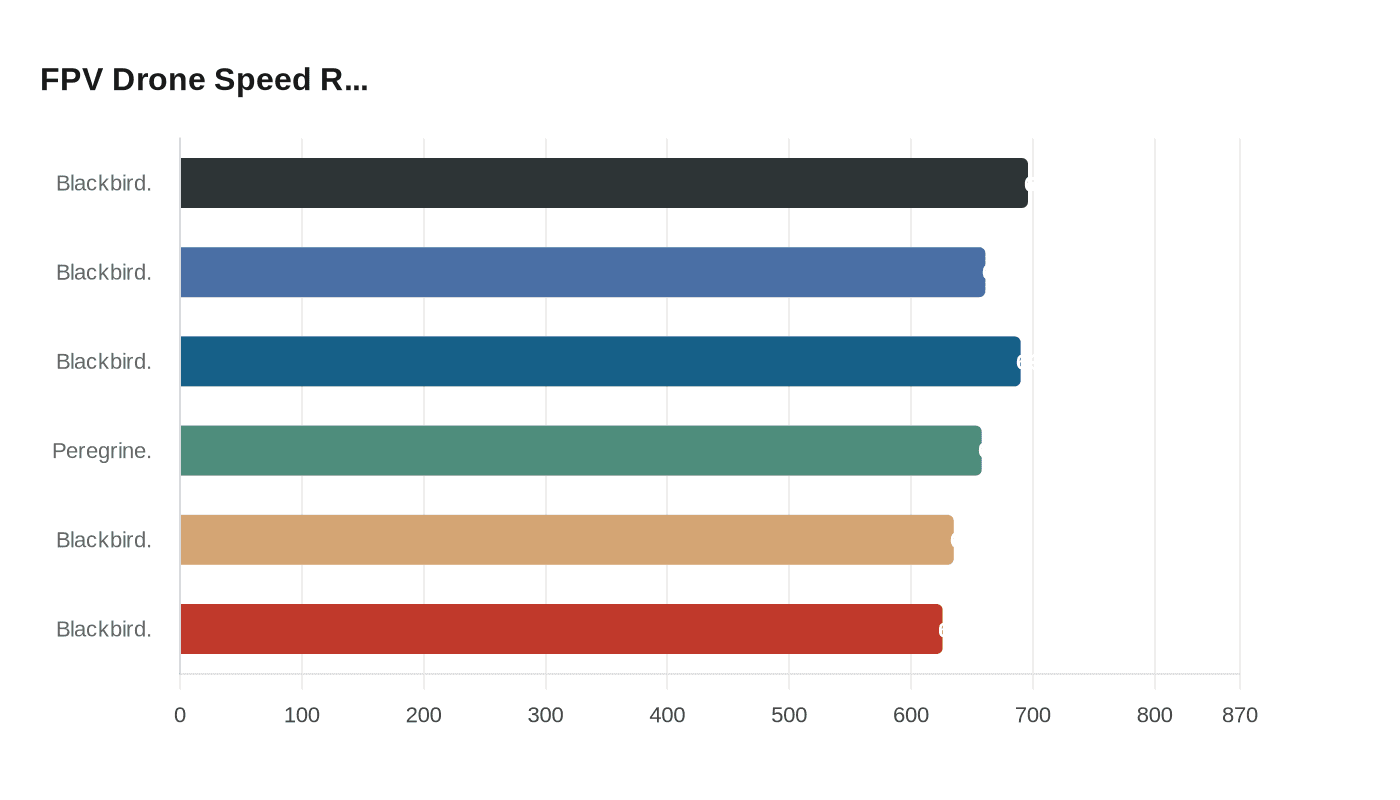
The numbers across sources don't fully align. The original report citing Biggs and Kelly names 696 km/h as the headline figure, while the Drone Pro Hub video shows 690 km/h as the peak run. The two-run average of 635 km/h (into the wind) and 690 km/h (downwind), calculated over 100 metres, yields 661 km/h. Whether the 696 km/h figure represents a separate peak reading, a different measurement method, or a data point from a run not captured in the public video remains unresolved without raw telemetry.
What isn't in dispute is the engineering trajectory. The FPV speed record moved twice in December 2025 and now has an unofficial challenger sitting above it in 2026. The gap between what the Blackbird can do and what it can prove to a governing body comes down to logistics: getting a certified observer into the wilds of rural Australia fast enough to matter. Until that happens, Biggs holds the fastest unofficial drone run on video and the Bell family holds the paperwork.
Know something we missed? Have a correction or additional information?
Submit a Tip