Australia’s Air Force drone racers finish fifth in Sydney tournament
Australia’s Air Force drone racers finished fifth overall in Sydney, but were the third-fastest military team in a field of 76 pilots from seven nations.
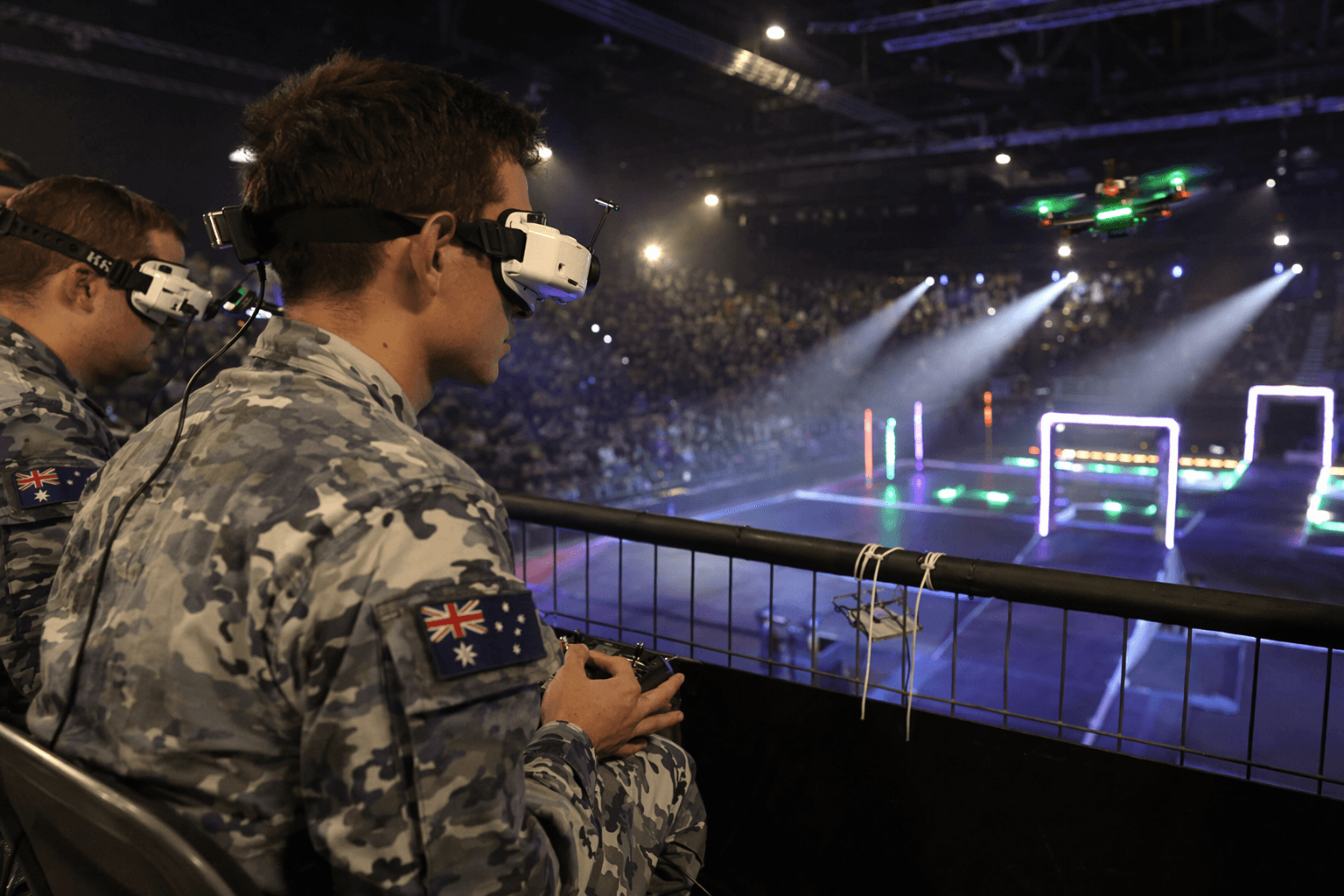
Australia’s Air Force drone racers came out of Sydney with more than a fifth-place finish. In a field of 76 pilots from seven nations, the Air Force Drone Racing Association team was third among the military entries and fifth overall in the Military International Drone Racing Tournament, while the ADF combined-service squad claimed the championship and its sixth straight MIDRT title.
That matters because this was never just a pure stopwatch contest. The tournament split its test between high-speed FPV racing at Randwick Barracks and tactical challenges at RAAF Base Richmond, forcing pilots to deliver under different conditions rather than simply posting fast laps. Against competitors from Australia, Singapore, the United Kingdom, the United States, Canada, Indonesia and the Philippines, Australia’s military program held its own in a field that mixed defence cadets, defence-industry participants and observers from other countries.
For the Air Force team, the result says something about depth as much as speed. Team captain Sergeant Christopher Dickerson said two of the six team members were competing in their first international-level tournament, yet the squad still produced an excellent result. That detail is hard to miss: a team breaking in new pilots at this level and still finishing third among military entries suggests the pipeline is not being built one race at a time. It is being built as a system.
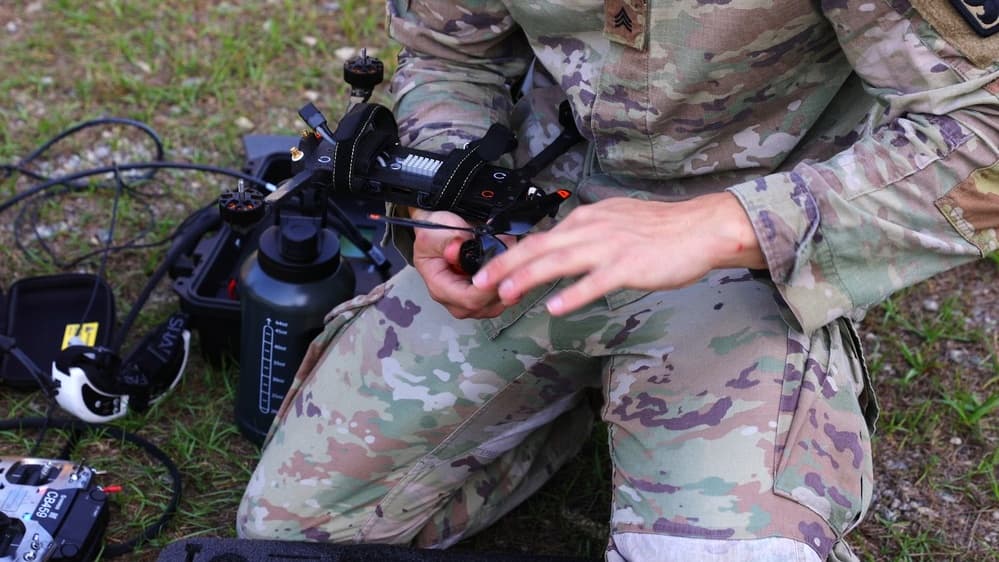
The real value, Dickerson argued, sits under the canopy. The grind is in soldering, programming, repairs, fault-finding, data analysis and tuning, the work that keeps a drone competitive when the field gets faster and the margin for error shrinks. Flight Lieutenant Jake Dell-O’Sullivan made the same point from a different angle, saying the goal is to stay at the front of drone innovation by sharpening operator skill and understanding the aircraft’s underlying subsystems. That is where military drone racing starts to look less like a novelty and more like a training ground with teeth.
The Sydney result also strengthens Australia’s standing in a sport where legitimacy is earned in the details. The combined-service ADF team may have taken the trophy, but the Air Force squad’s showing suggests the Defence-backed approach is paying off in three places at once: pilot development, technical know-how and competitive credibility. In a sport where the difference between first and fifth can be a clean line through a gate or a faster repair in the pits, that is a meaningful edge.
Know something we missed? Have a correction or additional information?
Submit a Tip