Best FPV Goggles 2026: Pilot Guide Favors Digital Multi-System Options
Digital multi-system FPV goggles are the top recommendation for 2026 pilots, prioritizing clarity and low latency to improve lap times and training effectiveness.

Digital multi-system goggles have become the leading purchase for competitive FPV pilots heading into the 2026 season, with clarity and latency now outweighing same-dollar upgrades to quads. The shift favors systems that can cross ecosystems - pilots who fly DJI O3/O4-class, Walksnail Avatar, or HDZero hardware will find multi-system compatibility reduces friction between practice rigs and race-day builds.
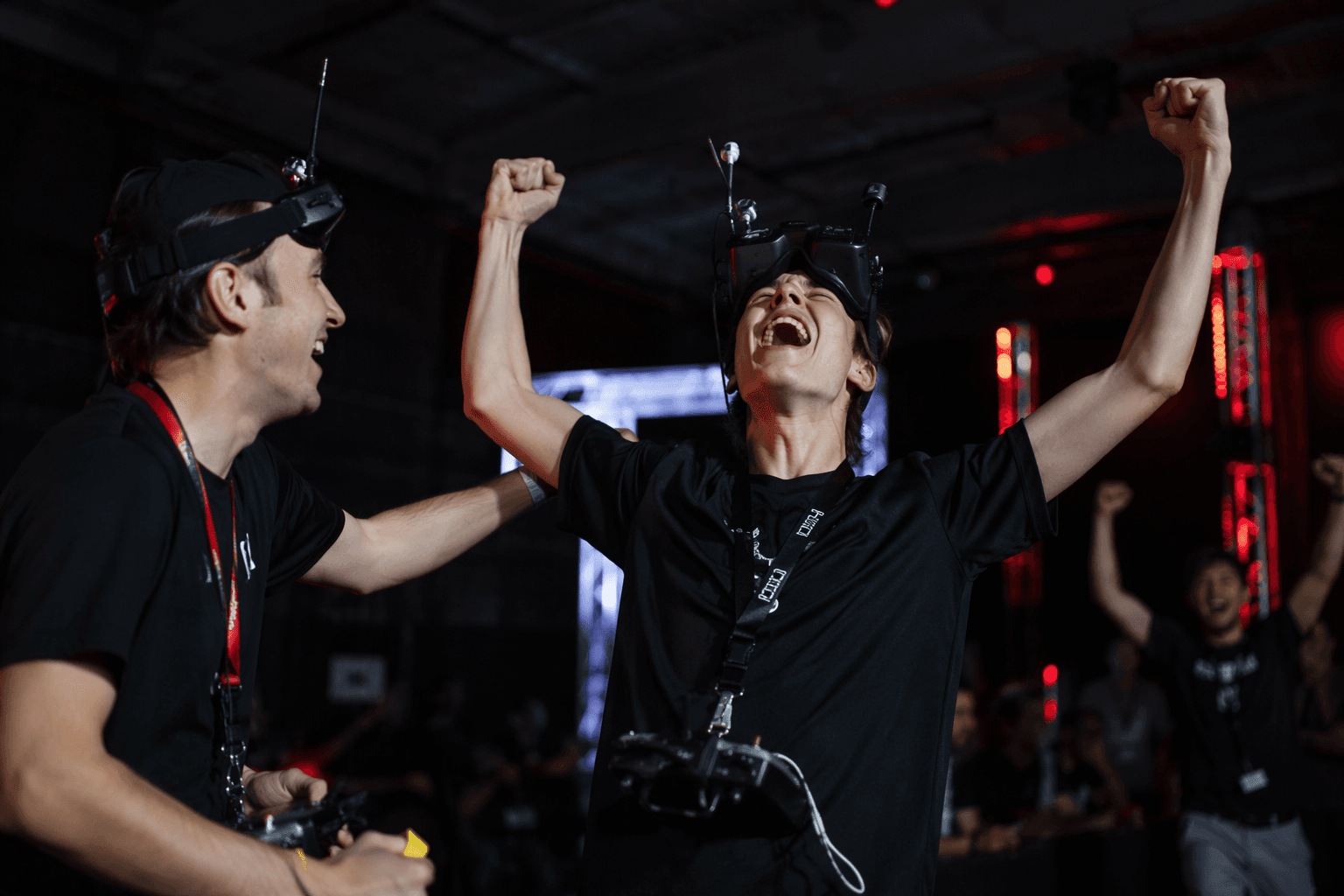
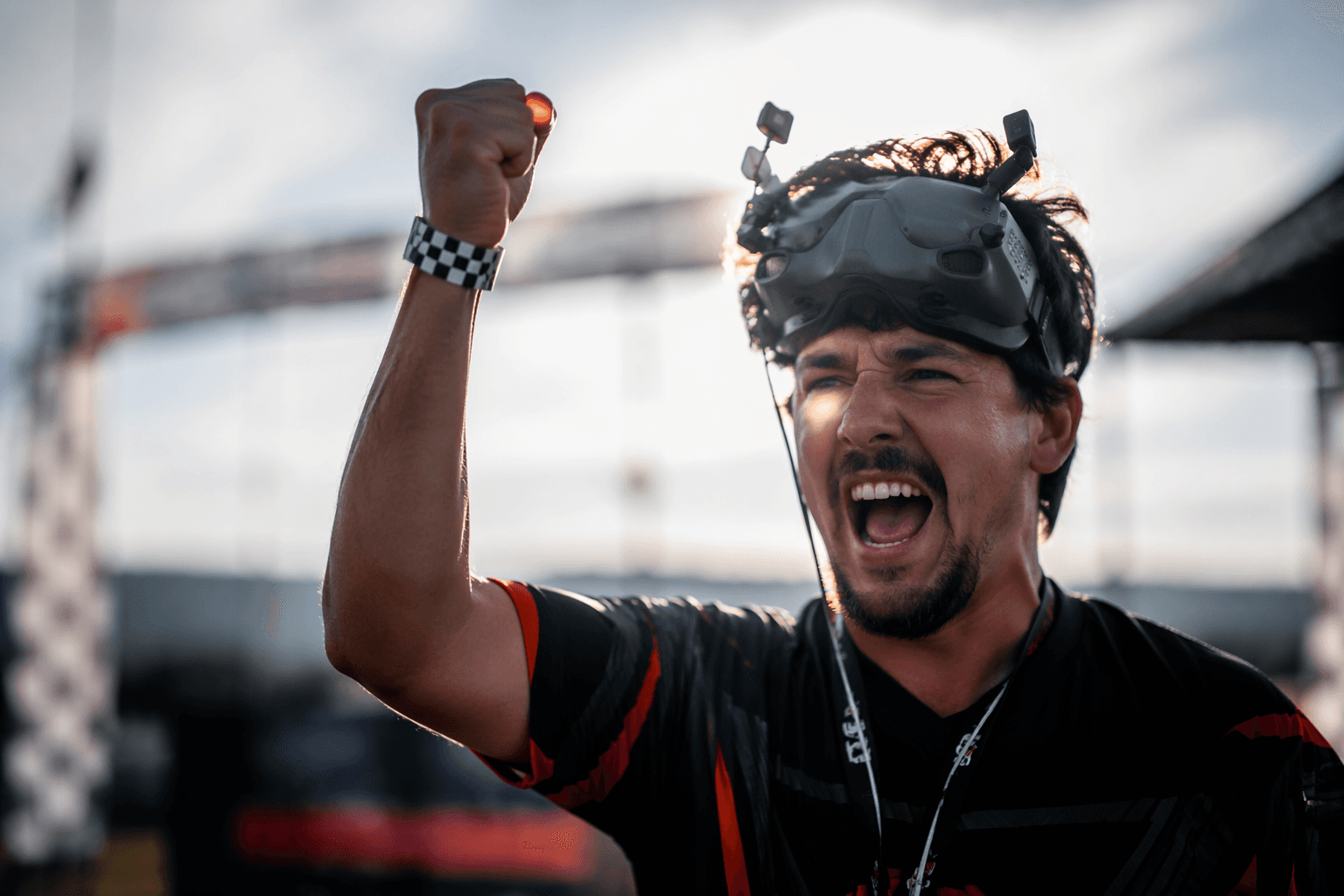
The practical payoff is simple: better image and lower latency translate into measurable performance gains on course and in practice. The guide recommends prioritizing screen resolution and type, field of view, latency figures, DVR capability, and weight and comfort. DVR quality is singled out for training value; pilots use onboard recordings to dissect lines and throttle application, so a higher-quality DVR can materially speed learning. Ergonomics remain critical for endurance - goggles that sit comfortably for hours matter more than incremental motor or frame tweaks.
Product guidance focuses on clear use cases. Budget digital entry is the DJI N3, offering a straightforward path into high-definition feeds. For pilots who move between ecosystems, the HDZero BoxPro is the best multi-system value because it pairs broad compatibility with strong image performance. For pure racing where latency is decisive, the HDZero Goggle 2 is identified as the lowest-latency option. The Walksnail Avatar family and DJI O3/O4-class goggles remain strong for pilots invested in those ecosystems, while analog box-style options like the Skyzone Cobra X still serve pilots on tight budgets or legacy setups.
System matching is emphasized as a strategic decision. Choose a VTX/goggle pair that fits your league or racing format so you are not locked out of frequency schemes or video rules. Ecosystem lock-in is a business and cultural issue; proprietary stacks can streamline setup but may force repeat purchases when formats or venues demand different compatibility. The industry trend toward digital solutions and multi-system support reflects a broader push for interoperability, but it also creates new commercial dynamics around firmware, accessory modules, and software ecosystems.
For team dynamics and training, investing in better goggles can change preparation workflows. Pit crews and flight coaches can get cleaner DVRs for post-flight review, and pilots can maintain consistent visual setups across practice and competition rigs. That consistency helps lap-time improvement faster than swapping propellers or flight controllers at the same cost.
What this means going forward is clear: prioritize visor time and visual fidelity when allocating budget for 2026. Test weight and comfort with a practice session, verify DVR recording quality, and favor multi-system goggles if you fly across formats. Pilots who match their goggles to league requirements and training goals will arrive at the start gate better prepared and with a clearer path to shave tenths off lap times.
This article was produced by Prism’s automated news system from verified source data, official records, and press releases, then run through automated quality and moderation checks before publishing. The system is built and supervised by the people who set the standards it runs under. Read our full AI policy.
Did this article answer your question?