Boogie Nights Chapter Meet Brings Classic MultiGP Double-Elimination Racing to Community
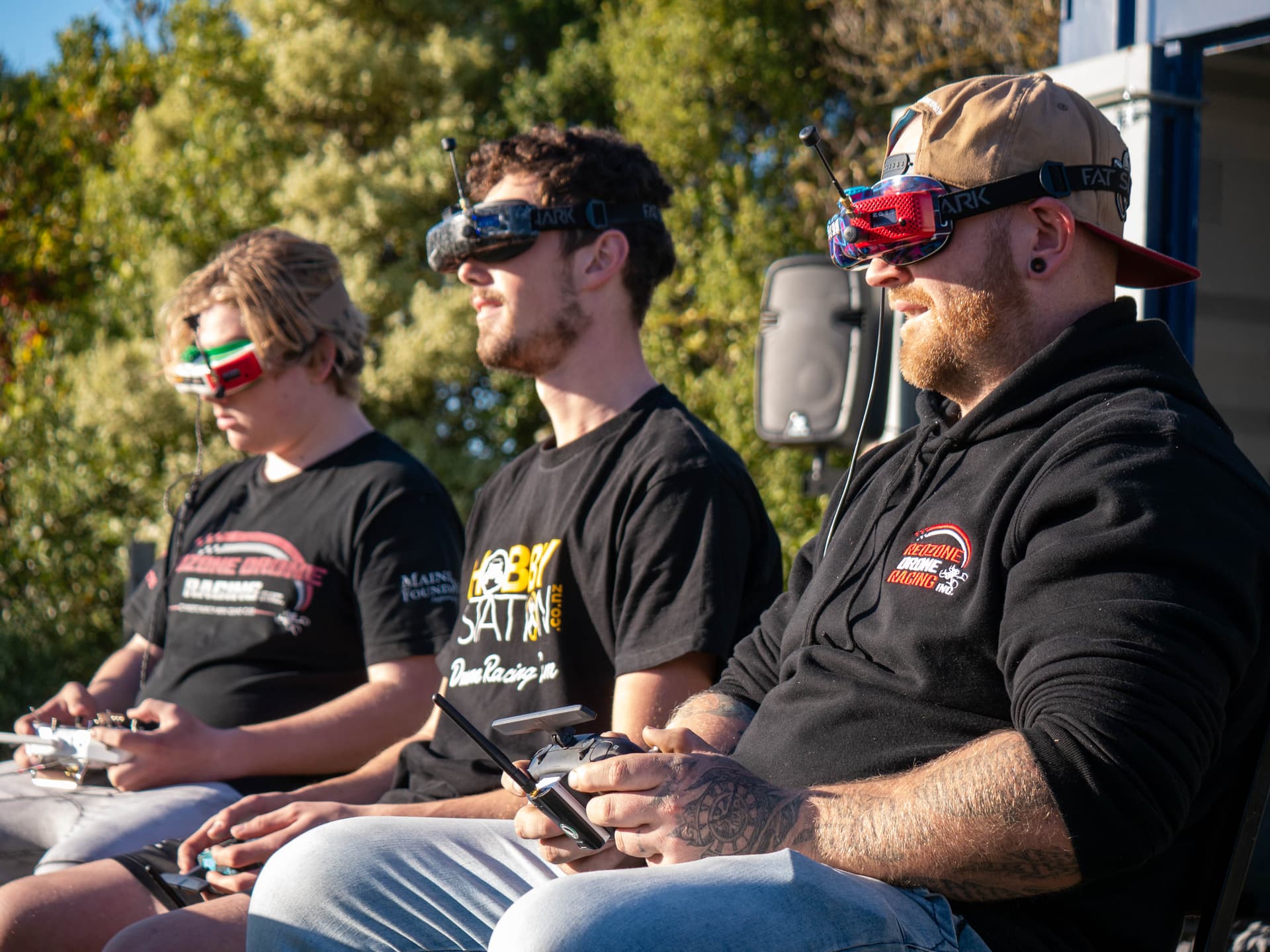
The Boogie Nights chapter meet on March 23 ran double-elimination brackets seeded by consecutive-lap qualifying, drawing nine pilots including Armonster24 and Ryze_FPV.
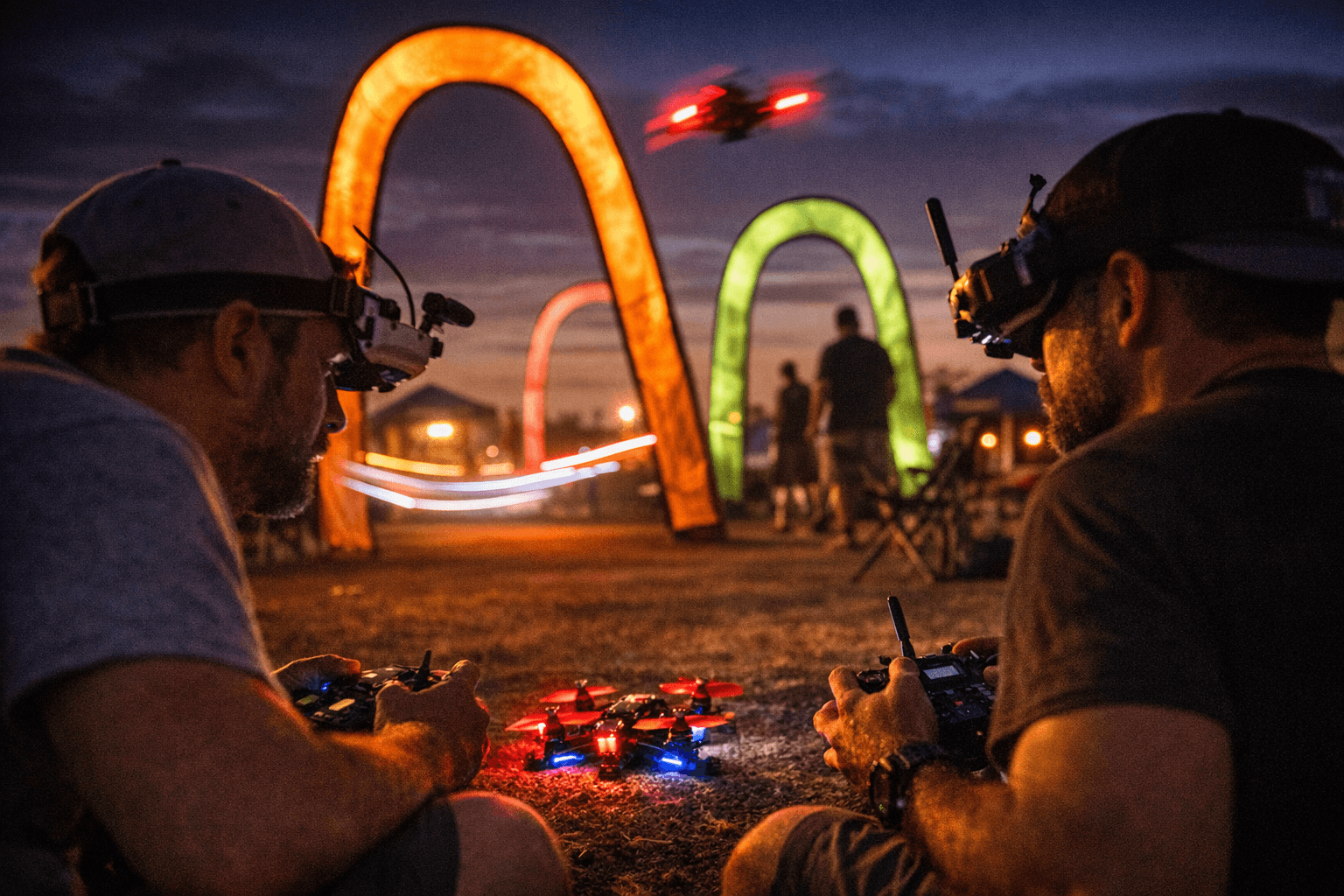
The Boogie Nights chapter meet on March 23 didn't reward a single blistering lap. It rewarded the pilot who could string three to five consecutive clean passes together, heat after heat, until qualifying closed and the 8:45 PM bracket draw locked in the field.
That's the format MultiGP chapter racing runs on: qualifying seeded by fastest consecutive-lap block, with the exact lap count varying by track, then a double-elimination bracket to settle the podium. No shortcuts, no flukes.
Nine pilots appeared on the leaderboard for the March 23 edition: Armon 'Armonster24' Vahidi, David 'Ryze_FPV' Teemsma, Nick 'deleteme' J, Jack 'JAACK' Harle, Wesley 'SpacemanSpiff' Clark, Llama 'Llamallamallama' McLovin, Randy 'Royler' Oyler, Kyle 'Twidgit' Buell, and Adriel 'Krystil_king_fpv' Rincon. Qualifying opened at 6:00 PM, giving the field nearly three hours to bank their best consecutive-lap sequence before brackets locked in.
The consecutive-lap structure is worth understanding. In many formats, a pilot qualifies on a single hot push — 60 seconds of everything the quad has, and whatever that produces is the seed time. Boogie Nights doesn't work that way. Fastest three to five consecutive laps means consistency is the currency. A pilot averaging 28-second laps across five clean passes beats the pilot who hit one 26-second flier and then clipped a gate.
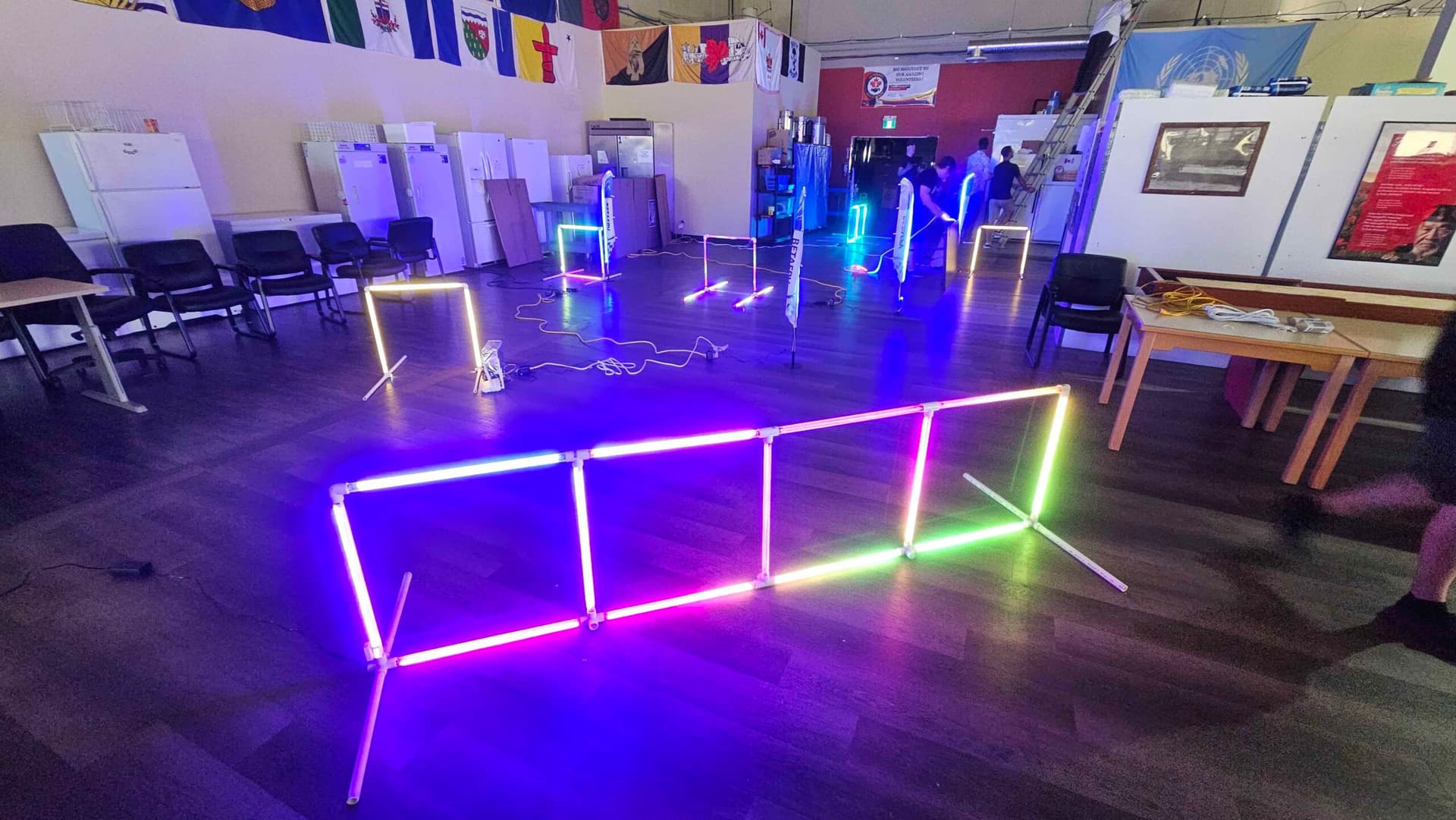
The event also marked the return of full-size LED gates, which came with a practical reminder to pilots: bring spare 4-6S LiPo batteries. Gate power is an operational constraint that pro circuits solve with venue infrastructure; at a chapter meet, organizers carry that burden themselves. Volunteer marshals kept heats moving, and the event's etiquette notes were direct about expectations: arrive on assigned channels, stay ready to fly. Heat flow doesn't wait.
Double-elimination gave every pilot two entries into the bracket. One bad heat doesn't end a night; two does. It's a structure that keeps the flight line active and keeps developing pilots competitive deep into the evening rather than sidelining them after a single loss.
If the schedule held, an open-track session was planned after brackets concluded, a detail that reflects the chapter-first philosophy Boogie Nights operates on. Competitive brackets and open practice aren't in conflict; the itinerary builds both in.
Pro circuits generate the highlight reels, but events like Boogie Nights build the pilot base. Handles like 'Ryze_FPV,' 'Twidgit,' and 'Krystil_king_fpv' get a track to develop on, a leaderboard to chase, and a chapter season that keeps competitive pathways open well below the pro level.
Know something we missed? Have a correction or additional information?
Submit a Tip