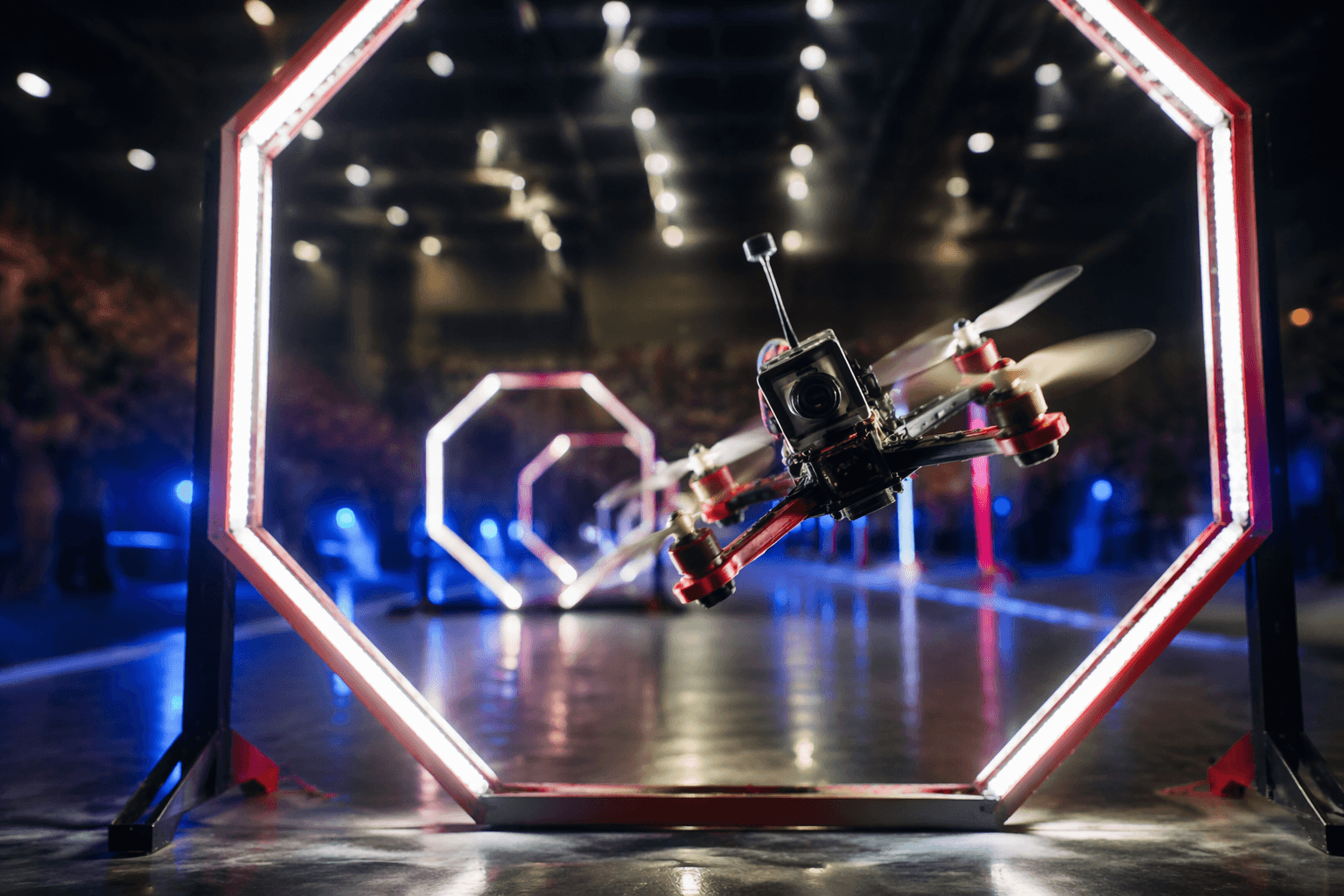
CMRC Micro Series Meet 5 caps field at 32 pilots in Curtin
With 10 pilots already entered and a 32-slot cap, Curtin’s school-floor micro meet showed how cheap, tight whoop racing still sharpens champions.
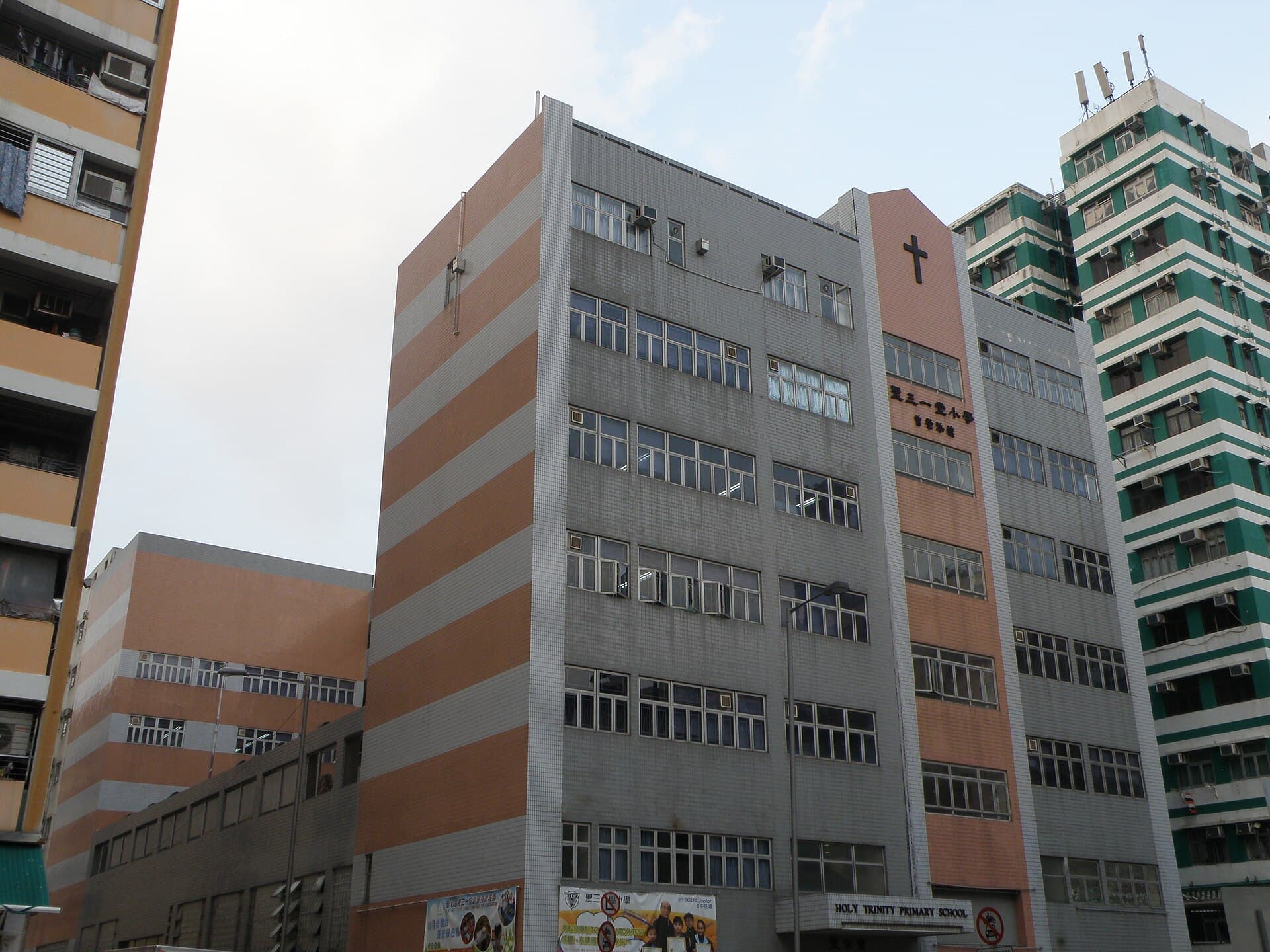
A 32-pilot cap, a school venue and a $20 entry fee made CMRC Micro Series Meet 5 feel like a stripped-down test of racecraft rather than a sprawling event. Held Friday, June 5, 2026, from 6:00 p.m. to 10:00 p.m. at Holy Trinity Primary School, 18 Theodore St, Curtin ACT 2605, the meet had 10 pilots registered on the event page and put the smallest, most technical end of FPV racing front and center.
That is exactly why micro whoop racing keeps working as one of the sport’s strongest on-ramps. The rules were tight: ducted props only, a maximum 1S LiPo battery, a 50-gram weight limit and VTX power capped at 25 mW. In that kind of class, brute speed matters less than clean launches, smooth throttle control and the ability to stay composed in traffic. The night’s format reinforced that balance. Qualifying was built around the two fastest consecutive laps in any round, with up to eight qualifying rounds available, while finals were settled by the best three placings out of four races.
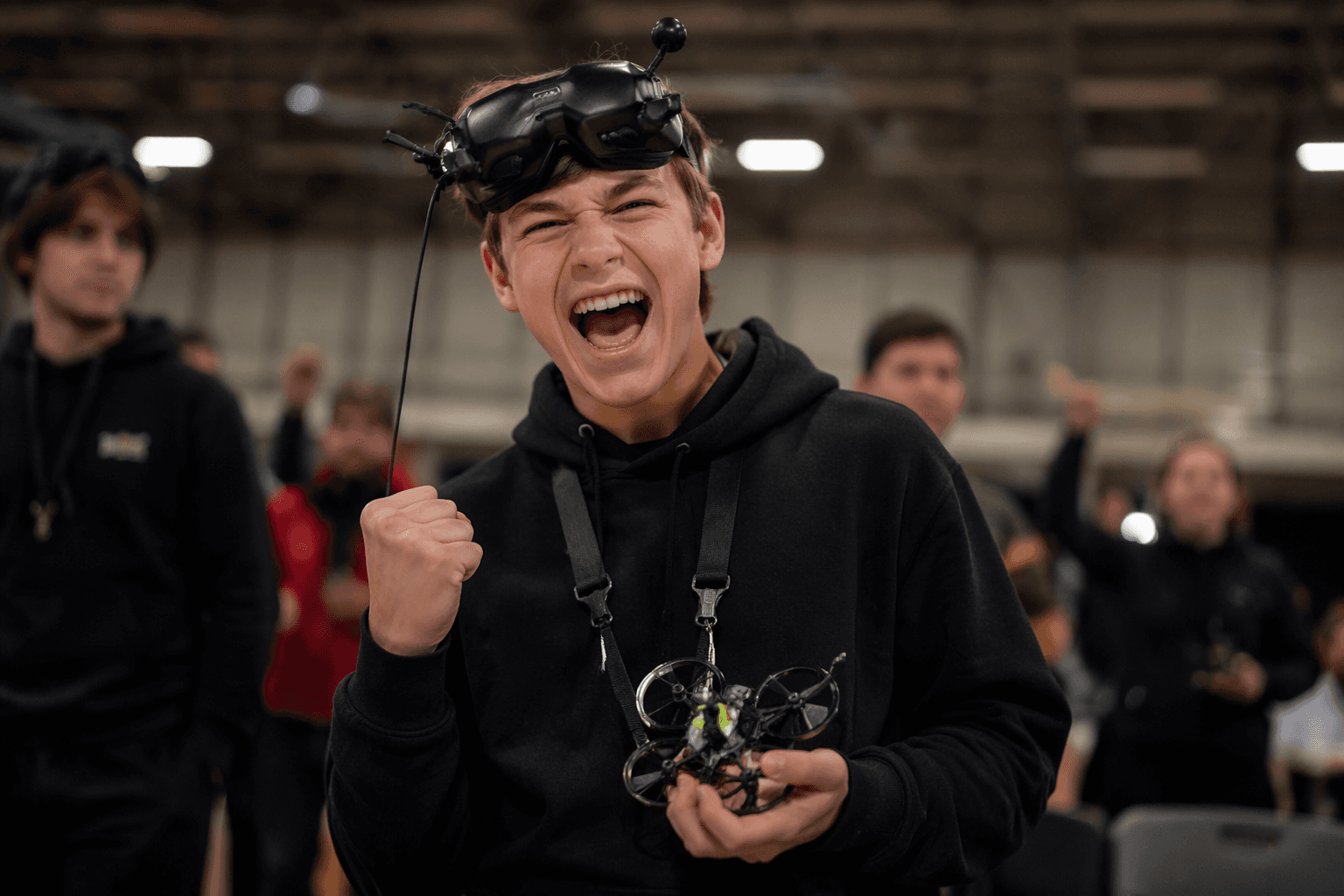
The itinerary showed how neatly the format fit the school-venue window: setup ran from 6:00 p.m. to 7:00 p.m., qualifying from 7:00 p.m. to 8:45 p.m., finals from 8:45 p.m. to 9:30 p.m. and packdown from 9:30 p.m. to 10:00 p.m. With heats typically set at six to eight pilots per final group, the meet rewarded the pilots who could keep lines tidy under pressure, manage congestion and avoid the tiny errors that cost seconds in a class this compact. That makes micro whoops especially useful for newcomers, but it also explains why experienced pilots keep coming back: the format punishes overcorrection and rewards precision.
Canberra Multirotor Racing Club, which calls itself Canberra’s home of FPV drone racing and the ACT’s dedicated FPV drone racing club, has built that idea into its calendar. The club is a member of AUFPV, the Model Aeronautical Association of Australia and the ACT Aeromodellers Association. It runs indoor events on the first Friday of each month at Holy Trinity Primary School in Curtin and outdoor races on the third Saturday of each month at Weston Archery Club, giving local pilots a clear ladder from indoor micro racing to broader class competition.
Meet 5 also sat inside the club’s 2026 Micro-A championship, where Davey FPV led on 200.0 points, BEAR sat second on 154.0 and Carnage held third on 143.0. With the series scoring set to drop each pilot’s worst two results, every round carried weight without making one bad night fatal. That is the real value of a compact meet like this: low cost, low barrier to entry and high pressure on the skills that actually build better pilots.
This article was produced by Prism’s automated news system from verified source data, official records, and press releases, then run through automated quality and moderation checks before publishing. The system is built and supervised by the people who set the standards it runs under. Read our full AI policy.
Know something we missed? Have a correction or additional information?
Submit a Tip