Commercial Drone Alliance Urges U.S. Policy Shift to Boost Domestic Manufacturing
A new CDA white paper sets an 18-to-36-month roadmap for U.S. drone manufacturing policy that could directly cut parts lead times and event compliance costs for race leagues.
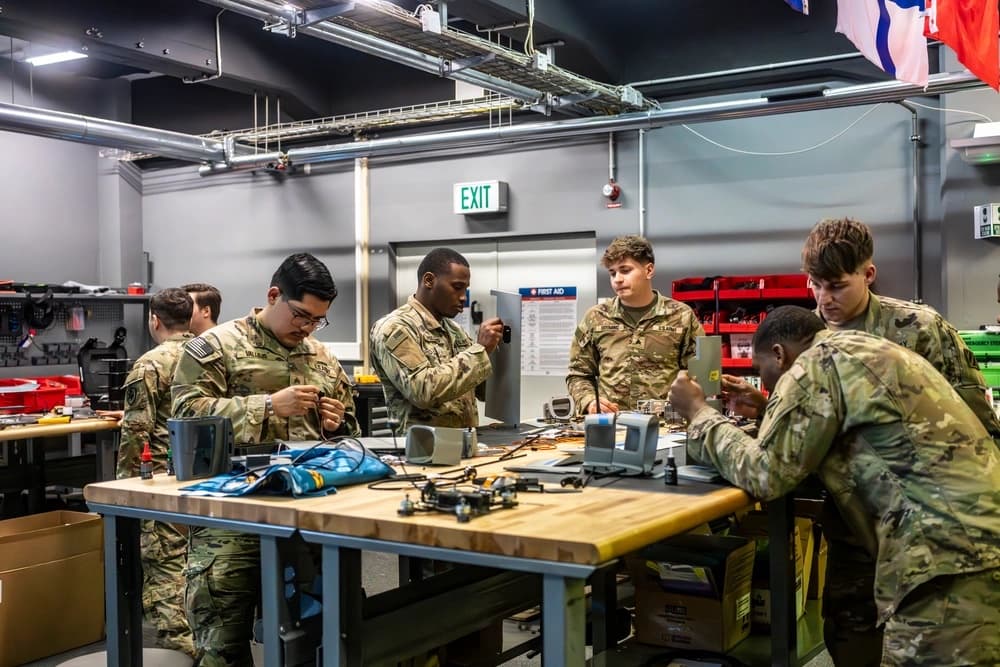
Picture the scenario: a race team orders a replacement flight controller stack three weeks before a major event, only to find the part is stuck in an overseas supply chain backlog, arriving too late for practice. That friction point is precisely what the Commercial Drone Alliance targeted when it published a detailed white paper on April 3, making the case for a coordinated U.S. policy overhaul of the domestic drone manufacturing sector.
The paper addresses fragmentation in federal regulations, inconsistent certification timelines across agencies, and vulnerable foreign supply chains. Its core proposals include tax and procurement incentives for U.S.-based manufacturers, the creation of regional testbeds and innovation zones, streamlined device-certification processes, and a public-private partnership model for workforce training. The CDA designed the entire package to be actionable within an 18-to-36-month window, with measurable targets attached: increasing domestic components in critical systems to a defined percentage and cutting certification lead times by a set number of days.
For race organizers, the certification angle is arguably the most immediate pressure point. Getting new broadcast and telemetry equipment approved for events currently runs through a slow, multi-agency process. Under the CDA's framework, that pipeline could shrink significantly, making it cheaper and faster to greenlight the RF management systems and precision timing hardware that professional leagues and festival-format events depend on. The proposed regional innovation zones could function as local incubators for exactly that category of stadium-grade technology, potentially seeding development close to the regional circuits that are expanding across the country.
The supply chain argument hits closest to team budgets. Because competitive FPV hardware still draws heavily on foreign-sourced components, a policy push toward domestic manufacturing incentives could gradually diversify where frames, stacks, and motors originate. The CDA's 18-to-36-month target window puts initial impact within range of near-term race seasons. If domestic production scales, lead times on spares contract and pricing pressure from import volatility eases.
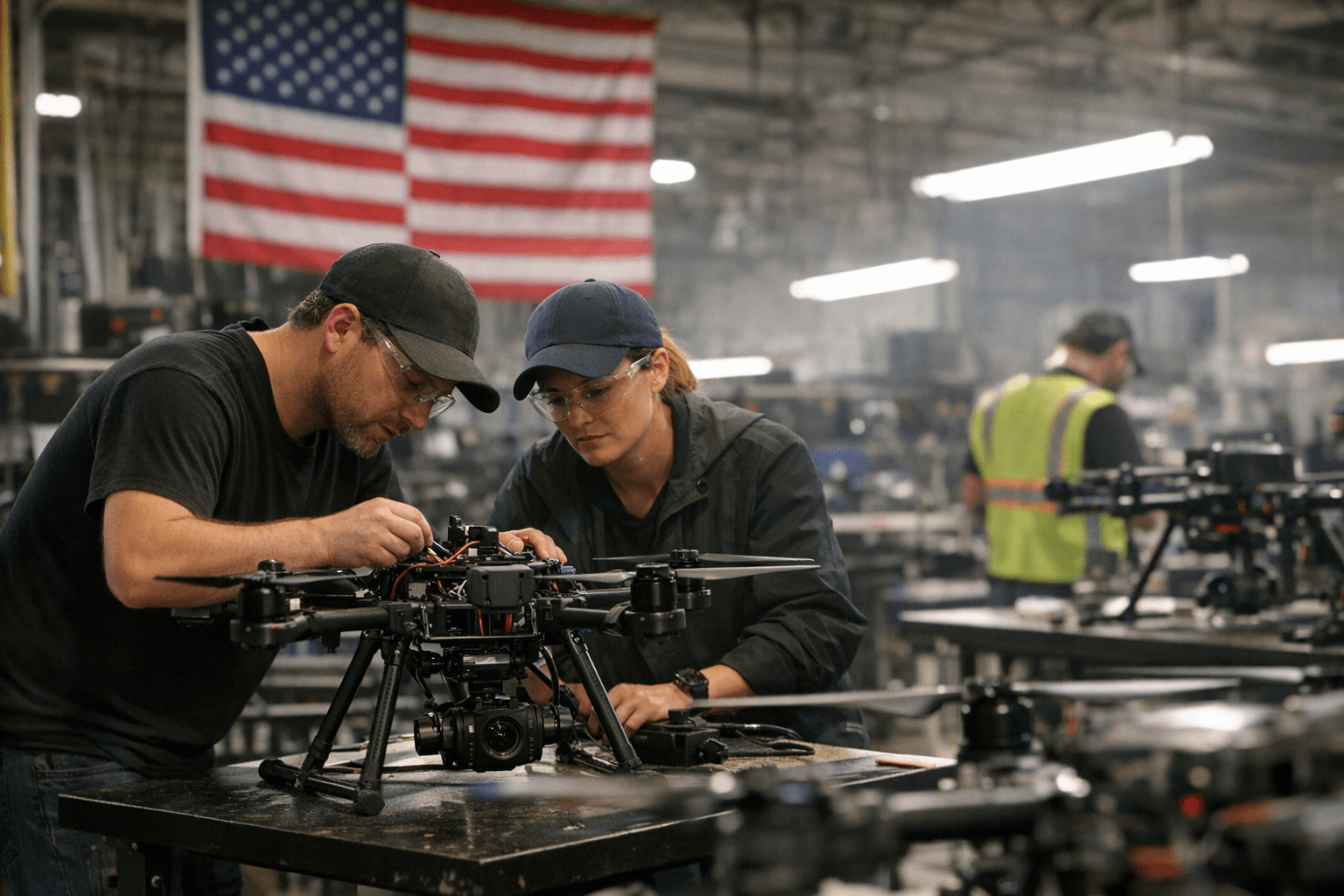
The workforce component is a longer play. The CDA's push for public-private training pipelines targets the technician and engineering talent gap that constrains how fast the sport can professionalize. More trained technicians in local markets strengthens regional chapters, improves event operations reliability, and elevates the safety standards that larger broadcast partnerships and stadium venue deals increasingly require.
The white paper arrived as part of a broader regulatory moment. The FCC has already issued a public notice framing drone production as a matter of national competitiveness and security, and the CDA positioned its recommendations as the industry's unified answer to that signal. Whether policymakers adopt the full proposal or move on specific provisions, the direction is set: the regulatory environment around U.S. drone manufacturing is shifting, and the consequences will eventually reach every corner of the sport, from the pit crew wiring a quad the night before race day to the broadcast director managing spectrum at a packed venue.
This article was produced by Prism’s automated news system from verified source data, official records, and press releases, then run through automated quality and moderation checks before publishing. The system is built and supervised by the people who set the standards it runs under. Read our full AI policy.
Did this article answer your question?