Dallas Drone Racing Opens Track for Spring Global Qualifier Practice Sessions
Dallas Drone Racing opened its Carrollton track Saturday for a 2026 Global Qualifier practice session, timed to a season that drew 1,113 pilots from 51 countries last year.
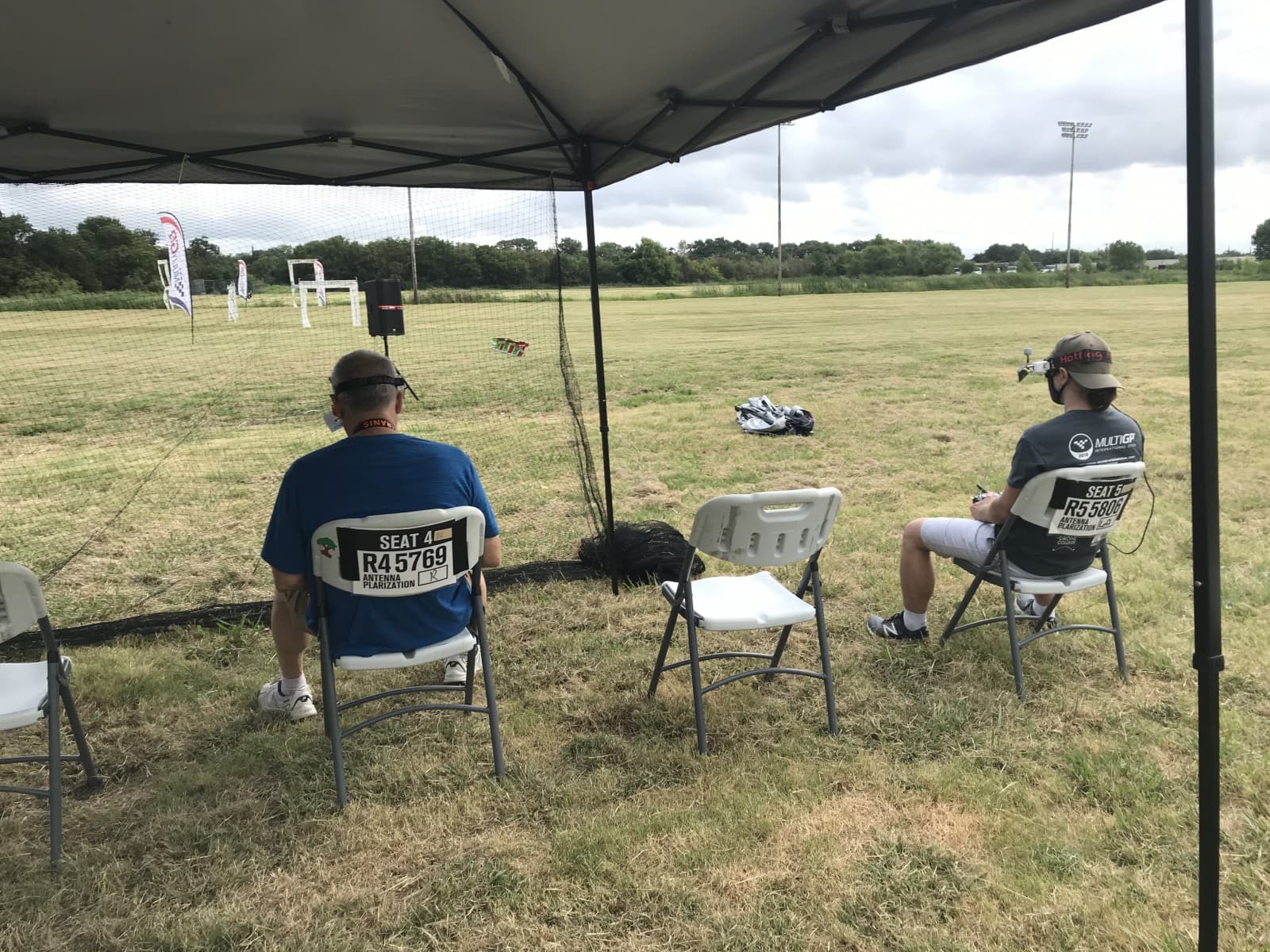
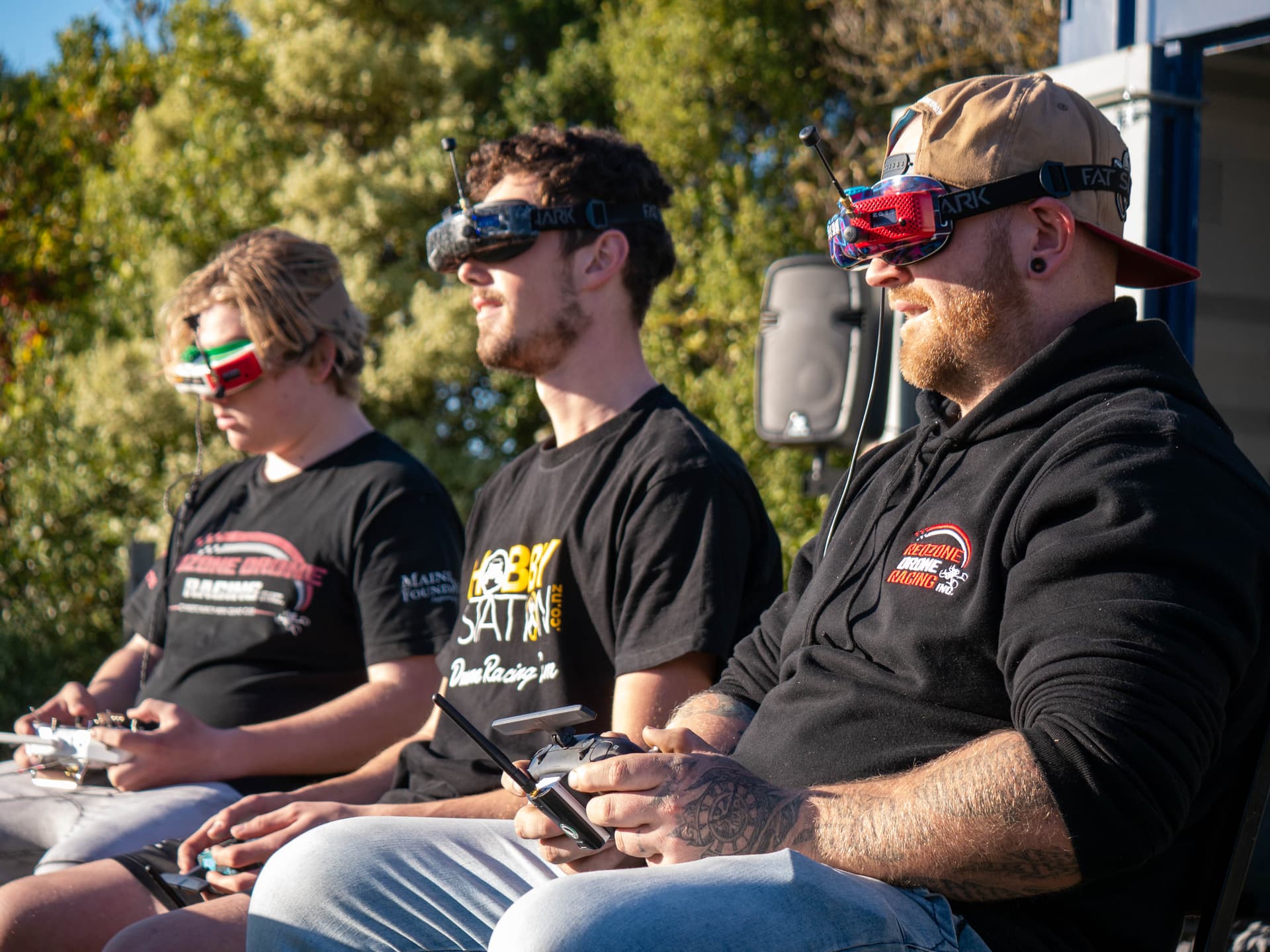
What a pilot finds in the first lap on a new GQ layout is not clean gate lines but a cascade of small surprises: an entry angle that punishes aggressive throttle, a hairpin that hides a tighter exit than the course map suggested, a straight that loads the battery faster than expected. The second lap begins fixing those surprises. By the tenth, lap timing starts producing data worth keeping. That is the logic behind Saturday's Global Qualifier practice session at Dallas Drone Racing's Carrollton facility, where competitors spent nearly six hours building exactly that kind of progressive timing record against the 2026 GQ layout.
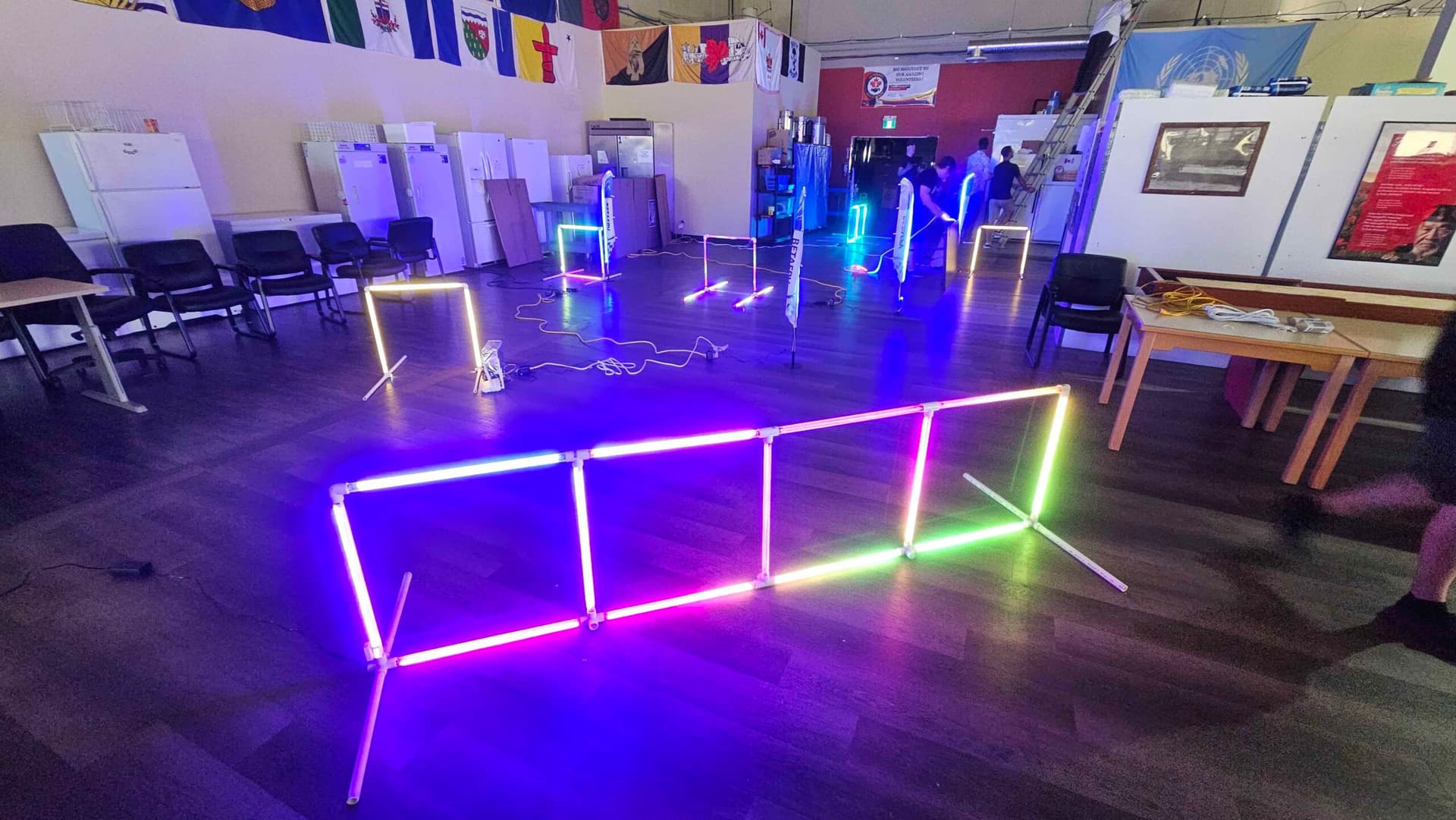
Dallas Drone Racing, a Tier 1 MultiGP chapter and AMA-chartered club based in Carrollton, Texas, opened its track at 6:00 PM on March 28 after setup crews spent the preceding ninety minutes measuring and arranging gates. Teardown was scheduled for 11:30 PM, giving pilots a sustained window to chase baseline laptimes before the sanctioned Global Qualifier window begins driving leaderboard stakes. The session ran under race ID 31333 on the MultiGP platform.
Three VTX frequency slots were pre-assigned to prevent interference across the flight line: Raceband 1 at 5658 MHz, Raceband 3 at 5732 MHz, and Raceband 6 at 5843 MHz. Organizers planned to run timing throughout and, depending on pilot turnout, operate ZippyQ, the league's low-stakes bracket format that creates just enough structured heat pressure to reveal setup weaknesses that open practice rarely surfaces. For a pilot weighing prop pitch options or rate curve adjustments, one ZippyQ bracket delivers more diagnostic value than an hour of solo lapping because it introduces the same throttle management and traffic decisions present in a sanctioned heat.
Understanding why the Dallas chapter staged this session requires a number: 1,113. That was the total pilot count from 51 countries who competed in the 2025 MultiGP Global Qualifier, making last season one of the most competitive in league history. From that field, only the top 64 PRO pilots and 52 SPORT pilots earned priority access to the MultiGP Championship, with an additional 16 qualifying through the Pro Spec Series. The margin separating a ranking that earns a championship ticket from one that does not is consistently measured in fractions of a lap-second, which means a practice night with live timing in Carrollton is not casual flying but a calibration exercise with direct consequences for GQ leaderboard position when entries close.
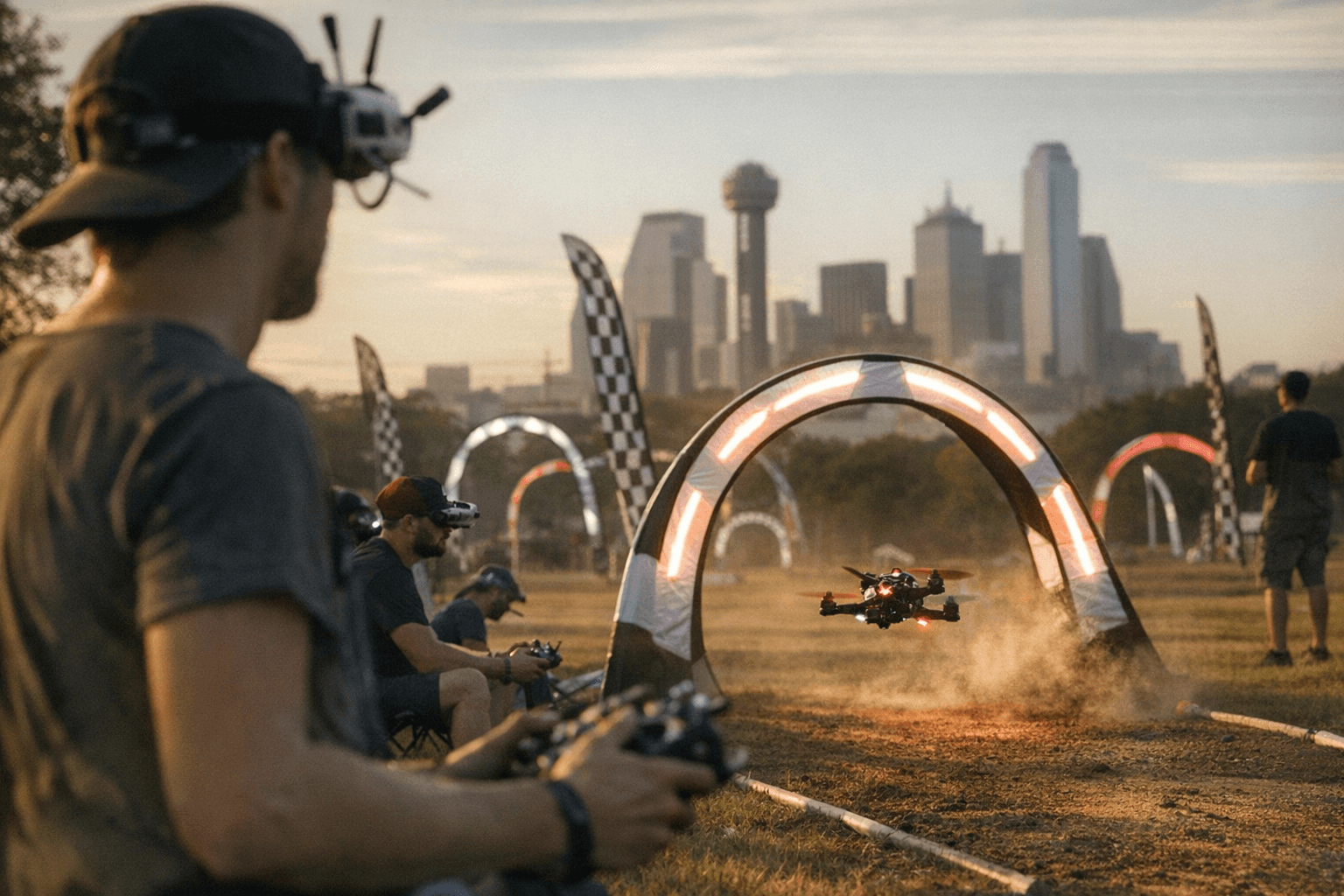
Dallas Drone Racing's Tier 1 standing makes it eligible to host sanctioned GQ rounds as the 2026 season advances. Saturday's session served as a pre-competition baseline: pilots leaving with documented lap splits carry a concrete reference for evaluating whether subsequent tuning changes are closing the gap or widening it. In 2025, Japan's Yuki Hashimoto finished fifth overall on the GQ leaderboard while South Korea placed two pilots in the global top ten, illustrating the international ceiling every club-level GQ night is ultimately pointed toward.
The 2026 qualifier season runs deep into summer, and the sessions that determine championship seeding start exactly like Saturday did: with a course tape measure, three frequency slots, and pilots committing their first laps to timing.
Know something we missed? Have a correction or additional information?
Submit a Tip