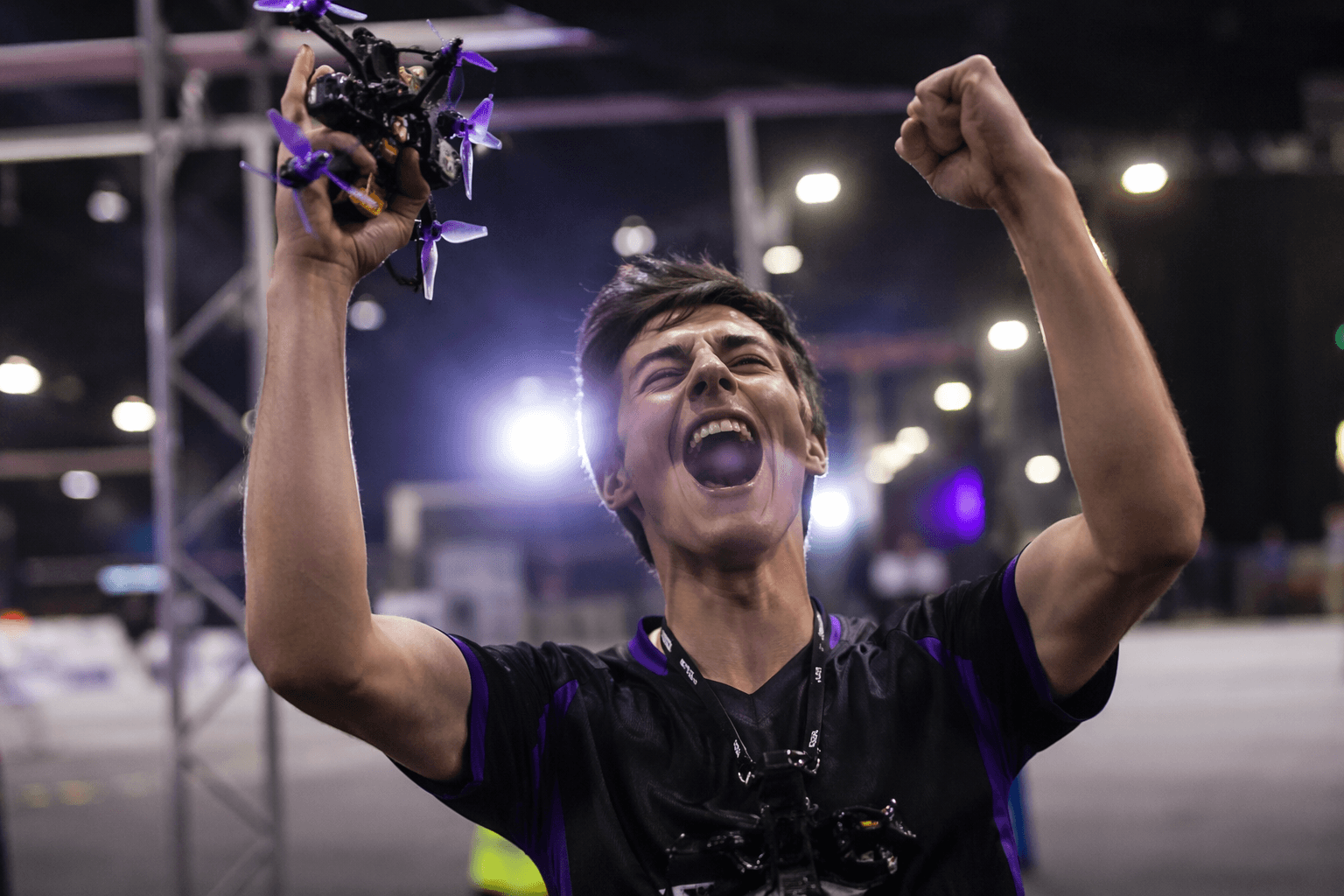
DJI Avata 360 review spotlights immersive FPV flight over racing
DJI’s Avata 360 looks more like an FPV gateway than a race quad, pairing 8K 360 capture with flexible framing but stopping short of true racing intent.
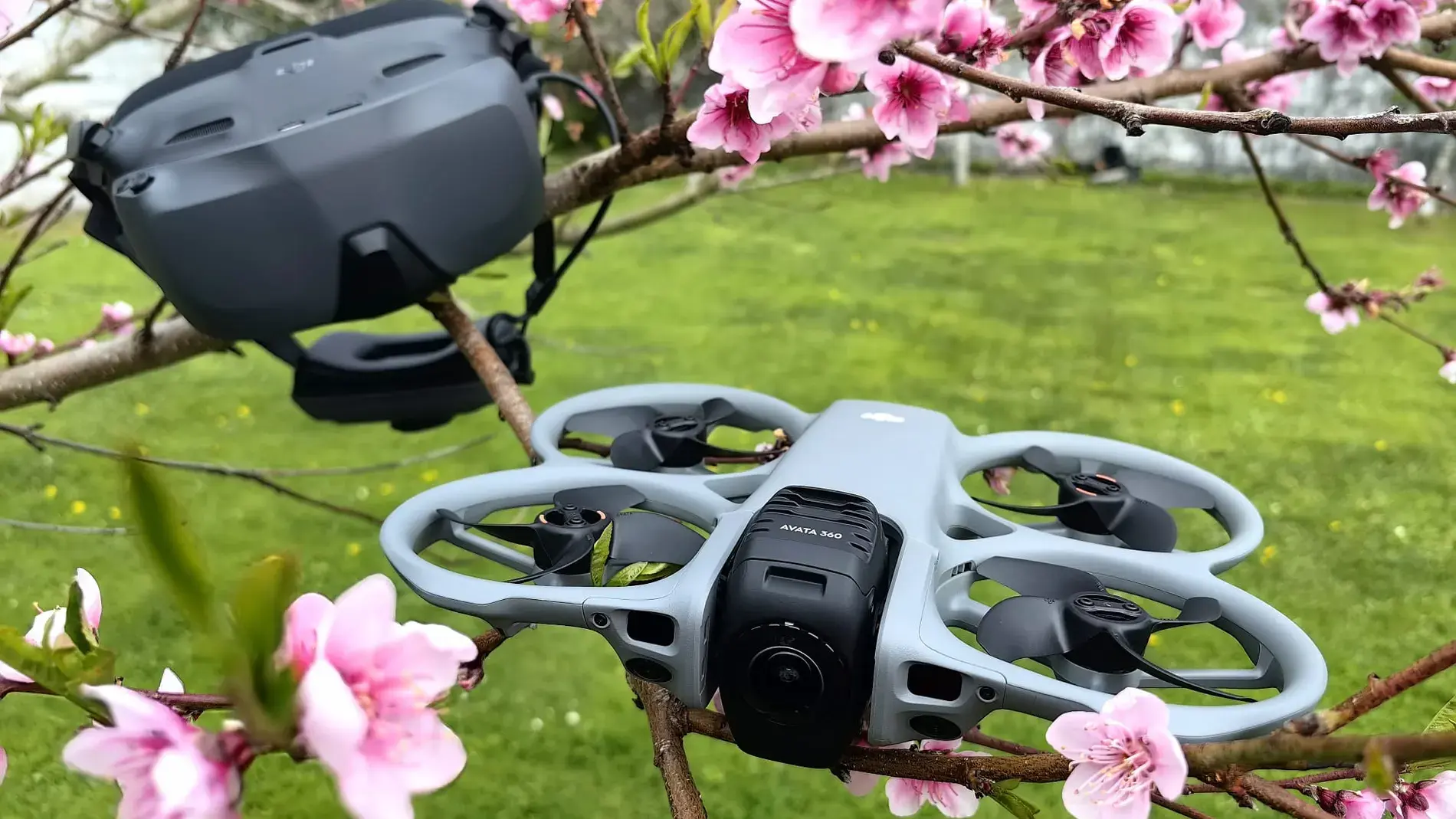
The DJI Avata 360 captures in 8K and records first, then lets the pilot choose the final framing later. It lands in a space drone racing knows well but rarely stops to define: the gap between a polished FPV experience and a machine built to attack gates.
A creator drone with FPV DNA
A June 26 review placed the Avata 360 firmly in the gray zone between content creation and FPV-style piloting. The Avata line has never been a pure race platform, and this latest version leans even harder toward high-end creator use than toward a stripped-down speed build.
A race quad is designed around speed, gate accuracy, low latency, and the kind of hard use that comes with repeated mistakes and repairs. The Avata 360 is a 360-degree camera machine built to make flight feel immersive.
For new pilots, the drone lowers the intimidation factor by making the flying experience feel dramatic and polished, even before a pilot is ready to think about line choice, split-Ss, or race pace. For experienced racers, it shows how far consumer FPV hardware has moved toward accessibility without claiming to replace a competition rig.
Why the racing comparison matters
The overlap that makes the Avata 360 relevant to drone-racing readers is not raw lap time. It is the shared flight feel, the video workflow, and the controller familiarity that can make the first step into FPV feel less like a leap and more like a transition. Many future racers enter the sport through gear that teaches stick movement without immediately demanding the punishments of full competition hardware.
One path leads into immersive flying that emphasizes usable footage, easier handling, and visual payoff. The other leads straight to race quads built for speed, durability, and the lowest possible delay between input and response.
The Avata 360’s appeal sits on the first side of that divide. It offers dramatic footage and flexible framing for anyone still building confidence in FPV. Those strengths are not the same thing as a dedicated race machine.
The conversion questions that actually matter
If the Avata 360 is going to function as a gateway, the practical questions are the ones racers ask first. How close does it get to a true manual-flight ceiling? How much latency separates a smooth cinematic line from the immediate response demanded in competition? Can it survive the kind of crashes that come with learning turns, recovering from mistakes, and pushing pace?
The drone is not a stripped-down tool for gate accuracy. It is a 360-degree camera system that makes FPV more approachable and more visually striking, which is a very different priority stack from racing hardware.
It can help a newcomer get comfortable with FPV motion, controller inputs, and in-flight decision-making, but it does not erase the gap between casual immersion and race discipline. The moment a pilot starts caring about precision through a gate line, rapid corrections, and the resilience to crash, the needs shift away from a creator drone and toward a purpose-built quad.
What it says about the FPV pipeline
The FPV ecosystem is no longer split cleanly between racing on one side and content capture on the other. The Avata 360 sits between those worlds as pilots discover the thrill of manual flight before they ever enter a race bracket.
A drone that makes FPV feel easier, safer, and more visually impressive can widen the pipeline of new pilots, which may eventually broaden the pool of racers. The Avata 360 makes flying feel accessible, but it is not trying to become a competition platform.
When to use it, and when to move on
If the goal is immersive flight, polished footage, and a gentler on-ramp into FPV, the Avata 360 fits the brief. If the goal is to learn the specific demands of competitive racing, the better answer is still a true race quad, where speed, durability, and low latency are the whole point.
This article was produced by Prism’s automated news system from verified source data, official records, and press releases, then run through automated quality and moderation checks before publishing. The system is built and supervised by the people who set the standards it runs under. Read our full AI policy.
Did this article answer your question?