MultiGP Wall of Fame reveals drone racing eras and dynasties
MultiGP’s Wall of Fame tracks dynasties, from Shaun Nytfury Taylor’s 2015-16 run to Pedro Pino Caceres’ repeated college titles. The league says 30,000 pilots and 500 chapters now feed the pipeline.
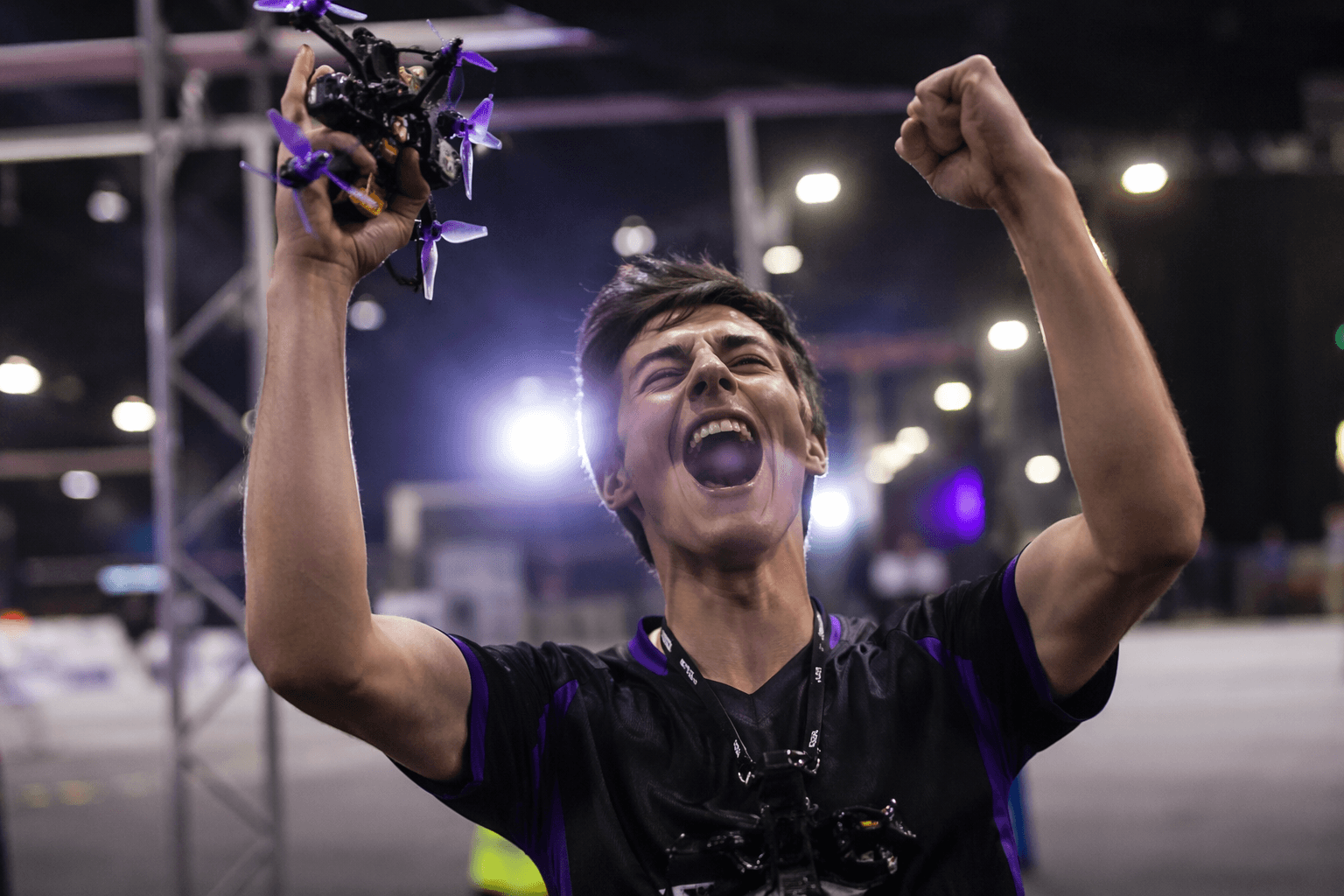
MultiGP’s Wall of Fame reads less like a trophy shelf than a chronology of drone racing eras. Shaun Nytfury Taylor opened the MultiGP championship run with titles in 2015 and 2016, Alex Captain Vanover followed in 2017, Evan Headsup Turner stacked titles in 2018, 2019 and 2021, and Joaquin Jbox Ybanez most recently held the 2025 spot.
The pattern is bigger than one championship list. MultiGP says it is the largest professional drone racing league in the world, with more than 30,000 registered pilots and 500 active chapters worldwide, and says its championship was designed to identify the sport’s top pilots. That structure helps explain why the Wall of Fame looks like a record book for the whole discipline, not a single event archive.
The same page shows a second line of dominance in the World Cup. Thomas BMSThomas Bitmatta appears as the 2017 and 2019 winner, Turner returns in 2018 and 2021, Min Chan Kim takes 2022, Yuki YUKI FPV Hashimoto appears in 2023 and 2025, and illian Darkex Rousseau lands in 2024. The names tell the story of a sport where elite pilots recur across formats, years and continents rather than disappearing after one breakout season.
College racing has built its own hierarchy, even though the program is younger. MultiGP says the Collegiate Drone Racing Championship began in 2017, and the first Purdue-hosted championship drew 48 pilots from 26 colleges and universities. On the Hall of Fame, Georgia Tech, Embry-Riddle Aeronautical University and Virginia Tech all show up as repeat team champions, while individual titles cycle through Ivan envyastro Rodriguez, Michael sparkymj Saalwächter, Patrick enginair White, Pedro Pino Caceres, Louis loufpv Tucker and Joshua PrincessJ Lizee.
Virginia Tech’s chapter page adds a local marker to that college ladder: the team says it flies at the Virginia Tech Drone Park in Blacksburg, which it calls the largest of its kind in the country, and the chapter identifies itself as a two-time collegiate champion in 2024 and 2025. The CDRA Hall of Fame also lists Pedro Pino Caceres as the 2022, 2024 and 2025 open-class champion and Virginia Tech as the 2024 and 2025 team champion, a sign that the same programs can dominate both individual and team tracks.
The racing itself is shaped by rules as much as by raw speed. The FAA says FPV flying requires a visual observer to keep the drone within unaided sight, recreational flyers must pass the TRUST safety test and carry proof of completion, and FPV cameras alone do not satisfy see-and-avoid requirements. With MultiGP using RaceSync App technology to assign racing slots and video frequencies in real time, the next era of dominance is likely to come from pilots who can master the same mix of speed, system discipline and repeatable execution that already defines the current Wall of Fame.
This article was produced by Prism’s automated news system from verified source data, official records, and press releases, then run through automated quality and moderation checks before publishing. The system is built and supervised by the people who set the standards it runs under. Read our full AI policy.
Did this article answer your question?