DJI launches O4 Wide Air Unit with 159-degree FPV view
DJI widened its FPV view to 159 degrees, but the pilots most likely to want it in the U.S. cannot buy it or get service there.
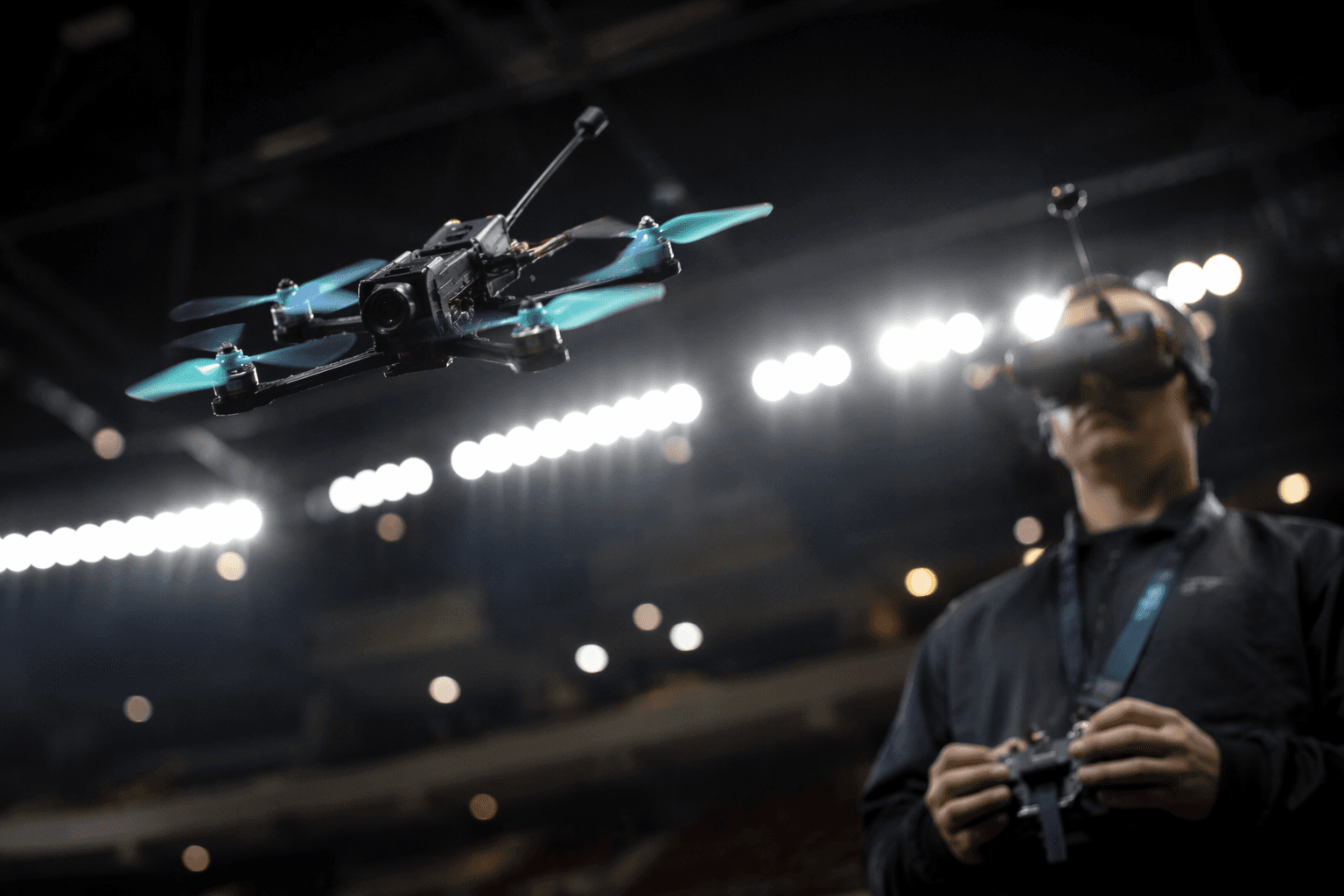
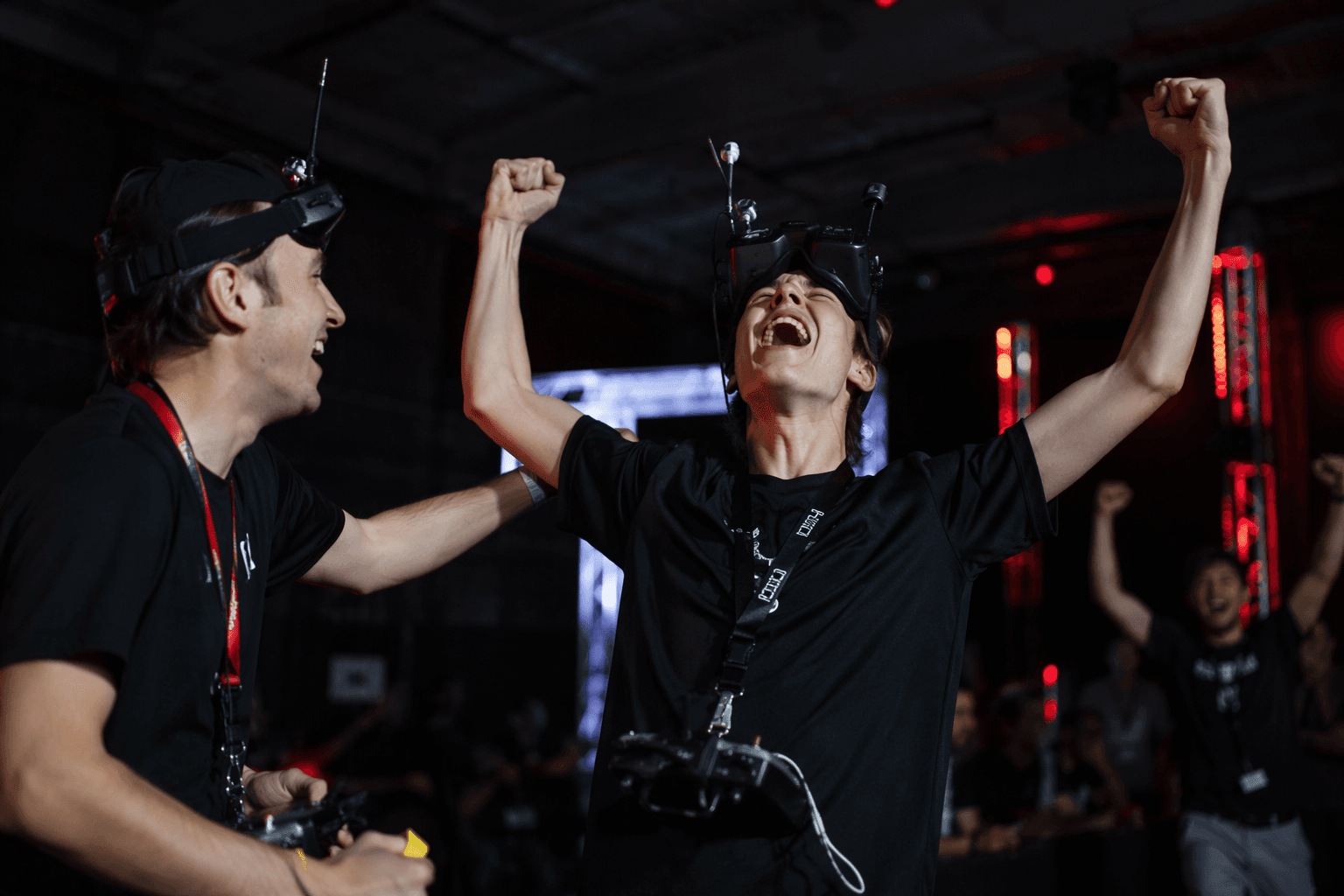
DJI widened its FPV view to 159 degrees with the O4 Wide Air Unit, a move that targets one of racing’s oldest camera complaints: the frame feels too tight when pilots are diving through gates at speed. The new unit keeps the same 1/2-inch sensor, the same recording specs and the same DJI O4 transmission system as the standard model, but it gives racers a much broader look at the course.
For FPV pilots, that wider view can change how a track reads in the goggles. Gates should stay in frame longer, which can help with line choice in chicanes and split-S turns, and a wider perspective also changes the way speed feels when the quad is hugging a corner. DJI’s global O4 specs page lists the Wide model with a 159-degree field of view, placing it in the middle of a three-part family that now runs standard O4, O4 Wide and O4 Pro.
The problem for U.S. racers is access. DJI’s U.S. support page says the O4 Wide Air Unit is not sold in the United States or Puerto Rico, and after-sales service is unavailable there. Anyone who buys one in another region has to work through support in the region of purchase. That leaves the pilots most likely to care about a wider race view, especially builders chasing a cleaner cockpit image for tight tracks, without a domestic path to buy or service the unit.
The rest of the O4 line gives the launch its context. DJI says the standard O4 Air Unit weighs 8.2 grams, uses a 1/2-inch image sensor and records 4K at 60 frames per second. The company’s store page says it has 23GB of built-in storage, a minimum transmission latency of 20 milliseconds and a maximum transmission distance of 10 kilometers, and it is suitable for racing frames for practice. At the top end, the O4 Air Unit Pro uses a 1/1.3-inch sensor, records up to 4K at 120 frames per second and adds dual antennas, while also supporting 1080p live view at up to 100 fps.
That split makes the Wide model feel less like a novelty and more like DJI answering a practical racing complaint with a product tier. The company gave FPV pilots a broader sightline, but left the U.S. market watching from the pits.
This article was produced by Prism’s automated news system from verified source data, official records, and press releases, then run through automated quality and moderation checks before publishing. The system is built and supervised by the people who set the standards it runs under. Read our full AI policy.
Did this article answer your question?