DJI lawsuit sparks rapid analysis, disrupts shipments and alarms distributors, hobbyists
DJI's Feb. 24, 2026 lawsuit triggered 48 hours of rapid legal and market analysis and prompted immediate shipment pauses that left distributors and FPV pilots scrambling for parts.
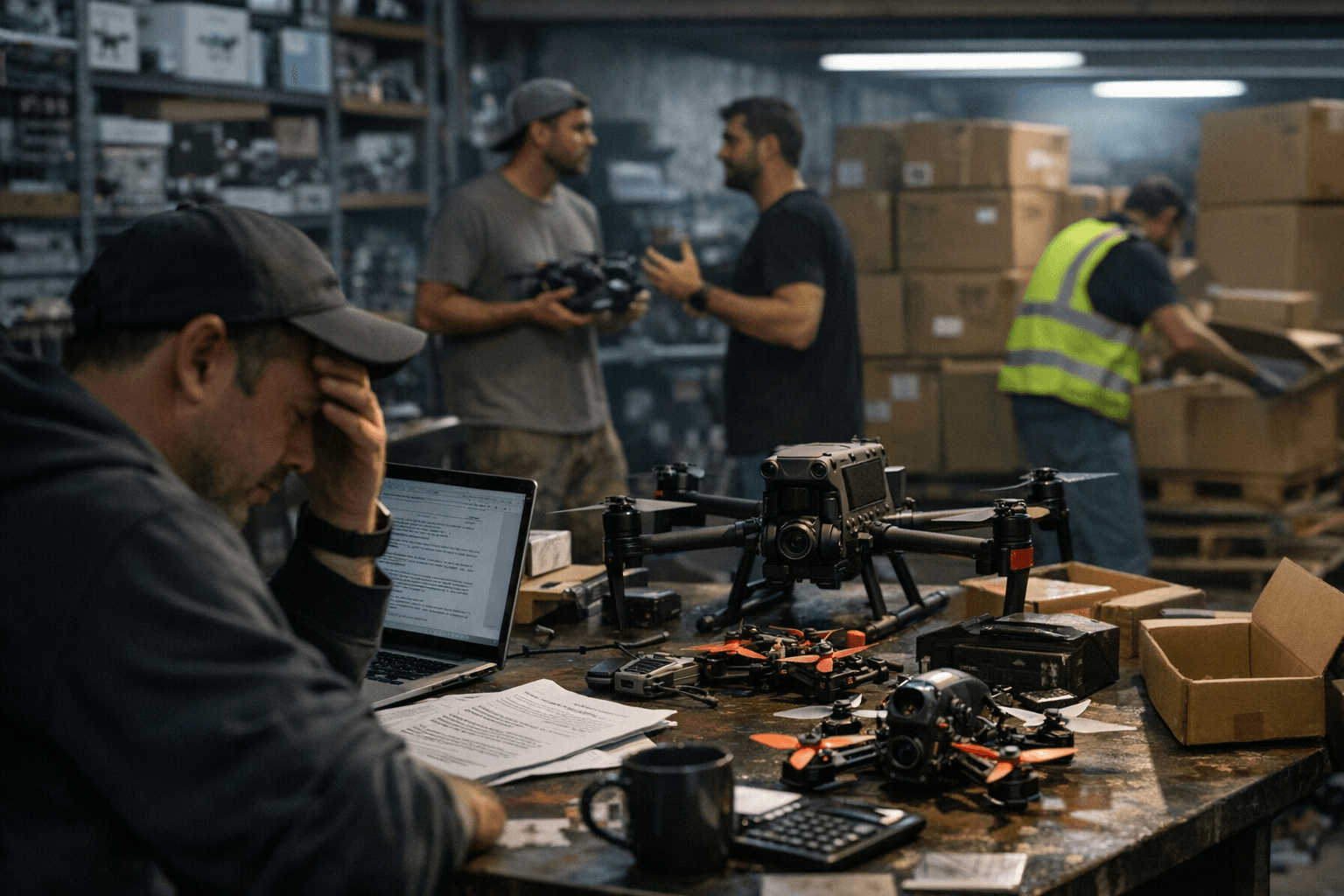
DJI's February 24, 2026 filing set off 48 hours of frantic analysis across industry outlets, legal analysts and trade publications, and produced immediate shipping pauses from at least some distributors that directly affect racers waiting on frames, motors and cameras. The disruption has practical consequences for pilots who rely on gear that "folds for transport" or that streams a forward camera into FPV goggles during cockpit runs.
Coverage since the filing has split into two parallel threads. The first thread documents near-term market disruption: multiple distributors flagged temporary shipping holds on DJI-compatible components and accessories, and retail orders for top-shelf parts showed extended lead times. The second thread examines downstream legal and regulatory exposure for sellers and renters of race-ready craft, with trade publications parsing how the suit could alter who is allowed to import or resell certain flight control units and imaging modules.
Distributors in the hobby channel reported operational impacts that alter everyday preparation for race weekends. Warehouse managers paused fulfillment to review inventory ties to questioned DJI components; pilots who expected replacement motors or prop sets for upcoming events found orders delayed. The immediate friction centers on items named in recent ledes across the beat: compact frames like Fly Wing that fold for transport, proprietary video links that stream a forward camera into FPV goggles, and amphibious prototypes such as HoverAir Aqua shown at CES that rely on covered radio and imaging modules.
Business implications reached beyond hobby shops to aftermarket sellers and race organizers. Legal analysts and trade press mapped potential changes to the FCC covered list and to import compliance rules, creating uncertainty for distributors who stock DJI-compatible flight controllers and who underwrite warranty and return policies. The knock-on effect is measurable in shipment timelines and in buying behavior; reader-engagement analysis from the sport's reporting ecosystem shows 48 hours of intense page views but also that 100% of readers only view without sharing, a stat that illustrates how fast information raced past community circulation but failed to convert into broader public discussion.
On the sporting calendar, concrete race results remain secondary to logistics: pilots scheduled for regional circuits may face preparation gaps if key parts do not arrive. Race organizers and team mechanics are now triaging inventories, prioritizing repairs that keep local competitors like FPV Series entrants operational when stockouts hit motors, ESCs and camera modules. Specific matchups and scores are not yet the headline here; the immediate story is the equipment pipeline that underpins those performances.
As legal filings move from complaint to response, the business of drone racing will be watching whether distributors resume normal shipments or whether further legal rulings freeze inventory channels. The next 72 hours will determine whether racers can access the parts they need for the next round of events and whether supply-chain friction becomes the defining factor for results this season.
This article was produced by Prism’s automated news system from verified source data, official records, and press releases, then run through automated quality and moderation checks before publishing. The system is built and supervised by the people who set the standards it runs under. Read our full AI policy.
Did this article answer your question?