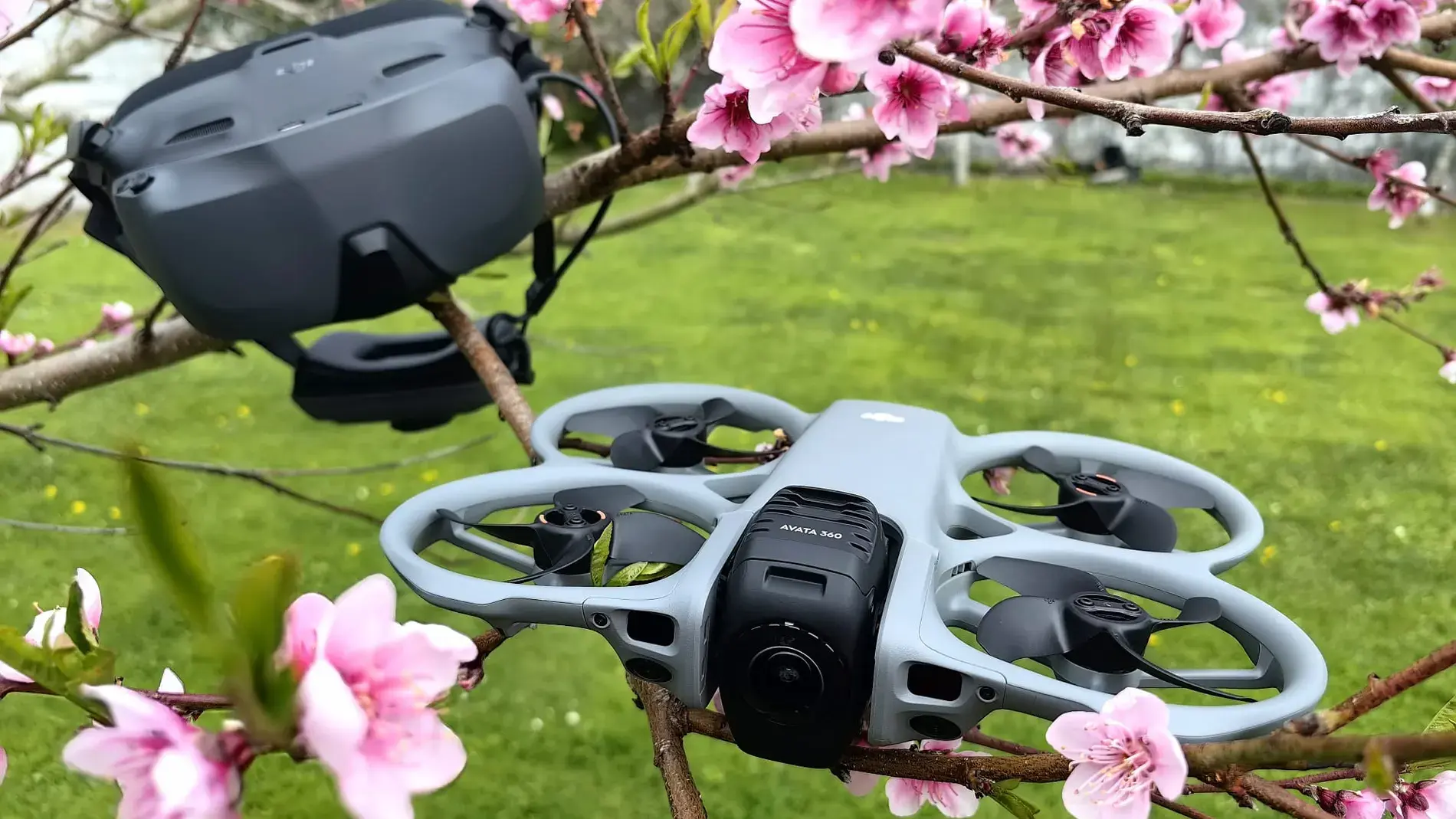
DRL Champion Nurk Outlines Simulator-Driven, Deliberate Practice Framework for FPV
DRL champion Paul "Nurk" Nurkkala maps a simulator-driven, high-volume practice system for FPV pilots, stressing timed reps, local races, and the mantra "fly your own race" to build consistency.
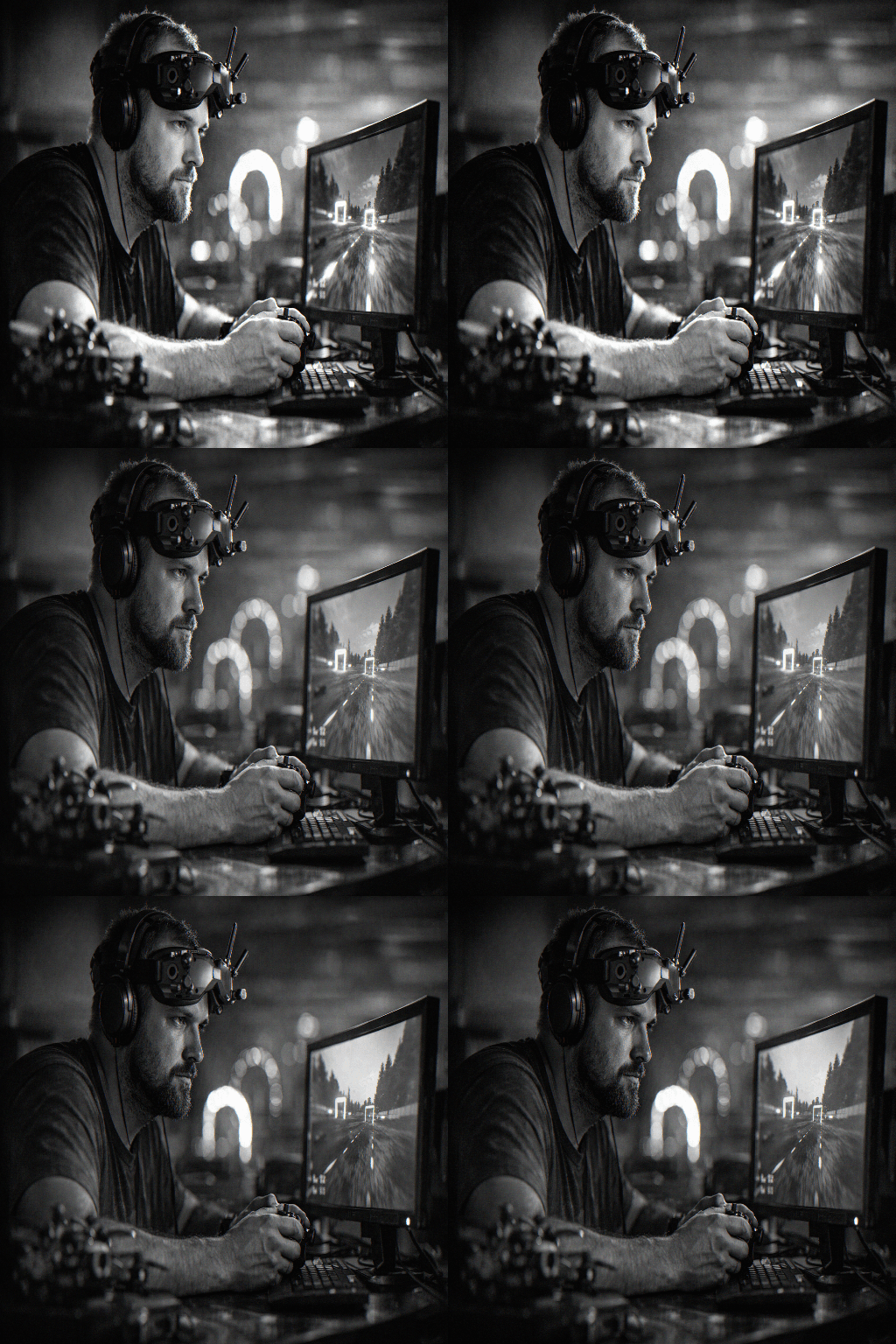
Paul "Nurk" Nurkkala, one of drone racing's most recognizable competitors, has laid out a practical training and mindset framework that codifies how elite FPV pilots are getting faster and more consistent. Nurk emphasizes simulator-driven, deliberate practice paired with frequent live competition as the fastest route to measurable improvement, and sums his approach with the motto "fly your own race."
The framework prioritizes high-volume, timed practice sessions in simulation to build motor patterns and refine lines without the cost and downtime of real crashes. Nurk prescribes regular slot-style runs in sim environments where pilots chase lap times, isolate cornering technique, and log split improvements. That simulation work is then stress-tested in small local races where pilots learn throttle management, start-line nerves, and the chaos of pack flying.
Nurk breaks training into practical steps: set timed goals in the sim, enter incremental live events to convert sim skills into muscle memory under goggles, and pursue gradual gear upgrades rather than wholesale changes that reset learning curves. That approach places a premium on consistency - tightening lap variance and reducing DNF rates - over chasing headline top speeds. The result is cleaner executions on race day and a lower long-term cost of operation for pilots and teams.
For teams and the industry, Nurk's playbook has immediate business consequences. Sim companies gain credibility as talent accelerators, race promoters can build more robust developmental ladders with local events feeding pro series, and equipment manufacturers will see demand for incremental component upgrades timed to pilot progression. Coaches and program directors can systematize scouting by comparing sim lap-time trajectories and live race conversion rates rather than relying solely on highlight reels.
Culturally, the mantra "fly your own race" resonates with FPV's focus on personal lines and flow-state execution. It reframes competition as execution under pressure rather than reactive showmanship, aligning with a community that values technical mastery and the purity of pilot-versus-course challenges. Socially, wider adoption of sim-led training lowers barriers to entry by reducing crash costs and enabling more pilots to train safely from home, while local events remain the crucible for building racecraft and community ties.
Nurk's framework signals a maturing sport where practice methodology, data-driven coaching, and grassroots competition combine to raise the level of play. For pilots and teams, the next steps are clear - convert sim reps into timed live performances, prioritize consistency over one-off speed, and treat small races as essential development, not merely exhibition.
This article was produced by Prism’s automated news system from verified source data, official records, and press releases, then run through automated quality and moderation checks before publishing. The system is built and supervised by the people who set the standards it runs under. Read our full AI policy.
Did this article answer your question?