DRMC Science Club Carnival Features Drone Racing, Boosts Grassroots STEM
Drone racing featured at DRMC Science Club's 17th carnival, highlighting the rise of school-level FPV competition and a growing STEM talent pipeline.

Drone racing took center stage at the DRMC Science Club's 17th National Science & Codeavour carnival, bringing first-person-view (FPV) quads and student pilots into a competitive setting that underlines the sport's rapid grassroots growth. The multi-discipline school-level festival paired drone heats with robotics contests, coding competitions and other STEM activities, creating an ecosystem where technical skill and racing craft meet classroom learning.
The three-day event ran Jan. 21-23, 2026 at Dhaka Residential Model College and explicitly listed a Drone Racing segment open to student teams. While the festival schedule confirmed active participation and regional engagement, the published schedule did not include detailed race results or the names of winning pilots. Organizers framed the segment as part of a broader push to prepare students and university entrants for hands-on STEM challenges, and the presence of drone racing among traditional science disciplines signals a shift in how schools package competitive technology programs.
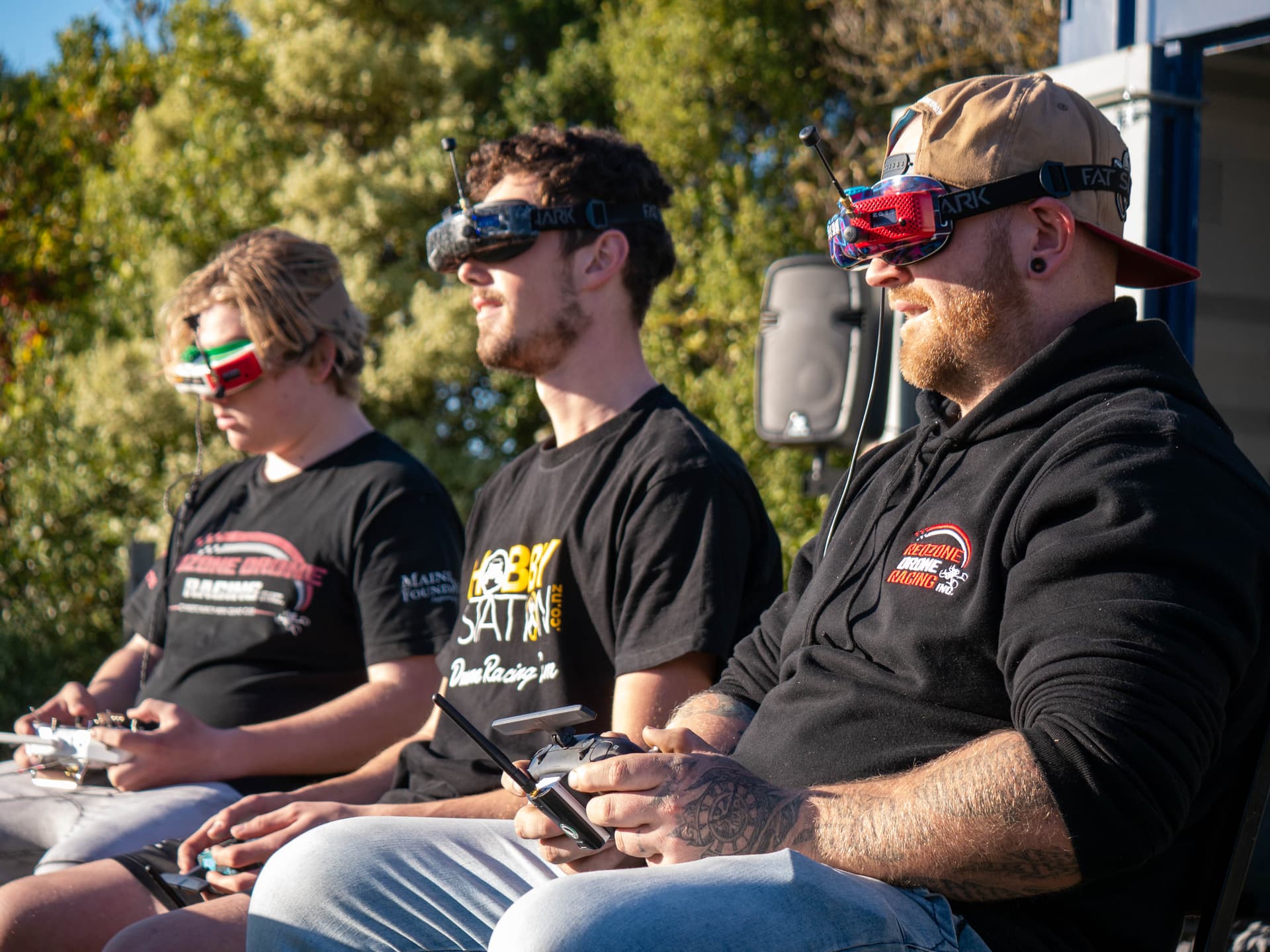
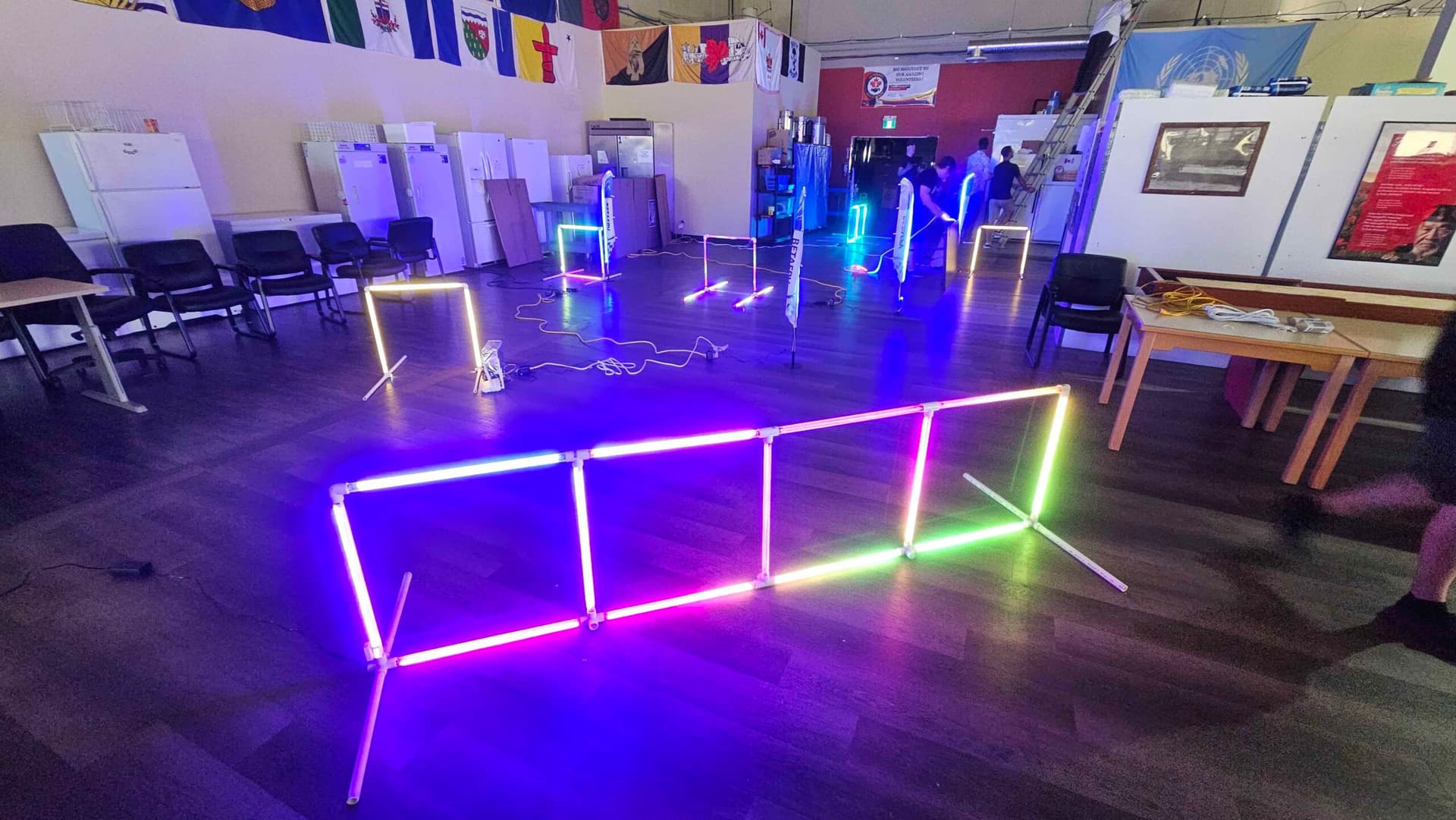
On the field - or rather, over the field - typical student heats at this level test fundamental FPV skills: tight gate-to-gate precision, clean racing lines through slalom sections, battery and pit management between rounds, and rapid recovery from punch-outs and crashes. Team dynamics in school contests often hinge on pit crews and spotters as much as on pilot reflexes, with preparation of frame setups, tuning of PID and power systems, and reliable video feeds separating contenders from those eliminated in heats. Even without published lap times, the inclusion of drone racing at a national school carnival provides a performance laboratory where pilots learn to translate classroom coding and electronics knowledge into on-track speed.
The industry implications are plain. School-level adoption expands the talent pipeline for collegiate teams and commercial leagues, and creates a market for local vendors in frames, motors, batteries and FPV gear. Educational organizers and sponsors can leverage events like the DRMC carnival to scout talent, pilot training programs, and curriculum partnerships that link drone sport with vocational pathways in engineering, remote sensing and robotics.
Culturally, the carnival blends competitive adrenaline with STEM literacy, normalizing technical hobbies as viable extracurricular pathways. For students from Dhaka and surrounding regions, access to FPV racing offers a visible route to technical careers and community recognition that extends beyond traditional classroom achievement. The social payoff includes practical skill development, teamwork under pressure, and exposure to rules, safety protocols and event logistics that mirror broader sports ecosystems.
Looking ahead, formalizing race reporting, publishing lap times and champion names, and creating a regional school series would amplify the sport's momentum. For now, the DRMC Science Club carnival stands as a clear signal: drone racing is no longer a niche workshop activity but an emerging school sport that can accelerate both athletic competition and STEM opportunity.
Know something we missed? Have a correction or additional information?
Submit a Tip