Drone racing binding guide explains transmitter and receiver setup
A clean bind is the difference between a quad that snaps to input and one that stutters before the gate. The real check is protocol, firmware, and receiver data.
The transmitter in your hands and the receiver on the drone have to speak the same language before the first heat. They have to do it without hesitation, because a quad that misses stick input at speed is already losing time.
What binding actually does
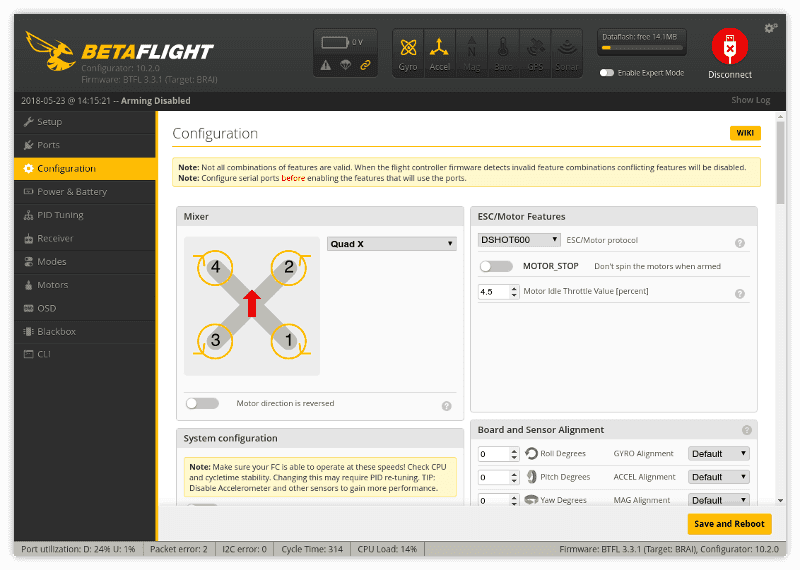
Binding pairs the radio transmitter with the receiver so the flight controller can turn stick movement into flight commands. The receiver takes data from the transmitter, and the Receiver tab is where you verify that the flight controller can read that data. The Betaflight App configures flight controllers running Betaflight firmware, so the bind is a software and hardware check at the same time.
Older gear often relied on a bind button or a bind plug. On Spektrum systems, binding teaches the receiver the code of the specific transmitter while also programming failsafe positions. Spektrum sells universal bind plugs that put receivers into bind mode, which is still the quickest path on some legacy systems. Modern radios can be easier to pair, but they are not immune to setup mistakes.
Pick the right protocol before you touch the model
Most binding problems are really compatibility problems. A transmitter and receiver have to be on the same communication family, whether that is ExpressLRS, FrSky, TBS Crossfire, Spektrum, or Flysky. If the protocol does not match, the bind will not matter, because the receiver cannot decode what the transmitter is sending.
ExpressLRS has become a major racing standard because it is built for maximum range, speed, and data throughput. Its hardware support spans both 900 MHz and 2.4 GHz, and ExpressLRS advertises packet rates up to 1000 Hz. In a race environment, rapid response and consistent control feel are as important as raw range. For SPI receivers using ExpressLRS v3.x, Betaflight 4.4.0 or newer is required.
TBS Crossfire focuses on low-latency control, telemetry, and long-range operation. Its Multi-Bind feature allows one receiver to be bound to multiple transmitters without rebinding every time. That helps when a pilot swaps radios or keeps a backup transmitter ready for event day.
How ExpressLRS changes the bind conversation
ExpressLRS uses a binding phrase instead of a traditional one-off pairing ritual on many setups. The phrase is designed to avoid collisions, not to provide security, and ExpressLRS recommends using at least eight alphanumeric characters. Any transmitter using the same phrase will connect to any receiver with the same phrase.

A copied phrase, the wrong receiver profile, or the wrong firmware build can produce behavior that looks like a bad bind even when the pairing technically succeeded.
The setup checklist that catches mistakes early
Confirm that the transmitter has the correct module for the receiver you plan to use. Verify the receiver wiring, because a bad connection can look like a radio problem when it is really a power or signal path issue.
Then move into Betaflight and check the inputs. The Receiver tab should show the flight controller reading receiver data clearly and consistently. Once the link is active, move the sticks and watch the response in the configurator before you ever head to the track.
- the correct protocol is selected on both ends
- the receiver is wired correctly and powered properly during setup
- the Betaflight Receiver tab shows clean stick response
- the quad responds exactly as expected inside the configurator
- firmware and feature versions match the receiver type, especially on ExpressLRS SPI builds
A race-safe bind should pass a few practical tests:
Where binding mistakes turn into lost heats
The biggest mistake is assuming a bind failure is always a bind failure. Many issues trace back to firmware mismatch, feature incompatibility, or the wrong regulatory domain setting rather than the pairing step itself. On ExpressLRS and TBS systems, versioning and feature support can shape how the link behaves after the bind.
A receiver can be technically bound and still fail the pilot when the packet behavior, firmware version, or configuration is off. In racing, that shows up as lost-model anxiety or glitches on the bench before a heat starts.
This article was produced by Prism’s automated news system from verified source data, official records, and press releases, then run through automated quality and moderation checks before publishing. The system is built and supervised by the people who set the standards it runs under. Read our full AI policy.
Did this article answer your question?