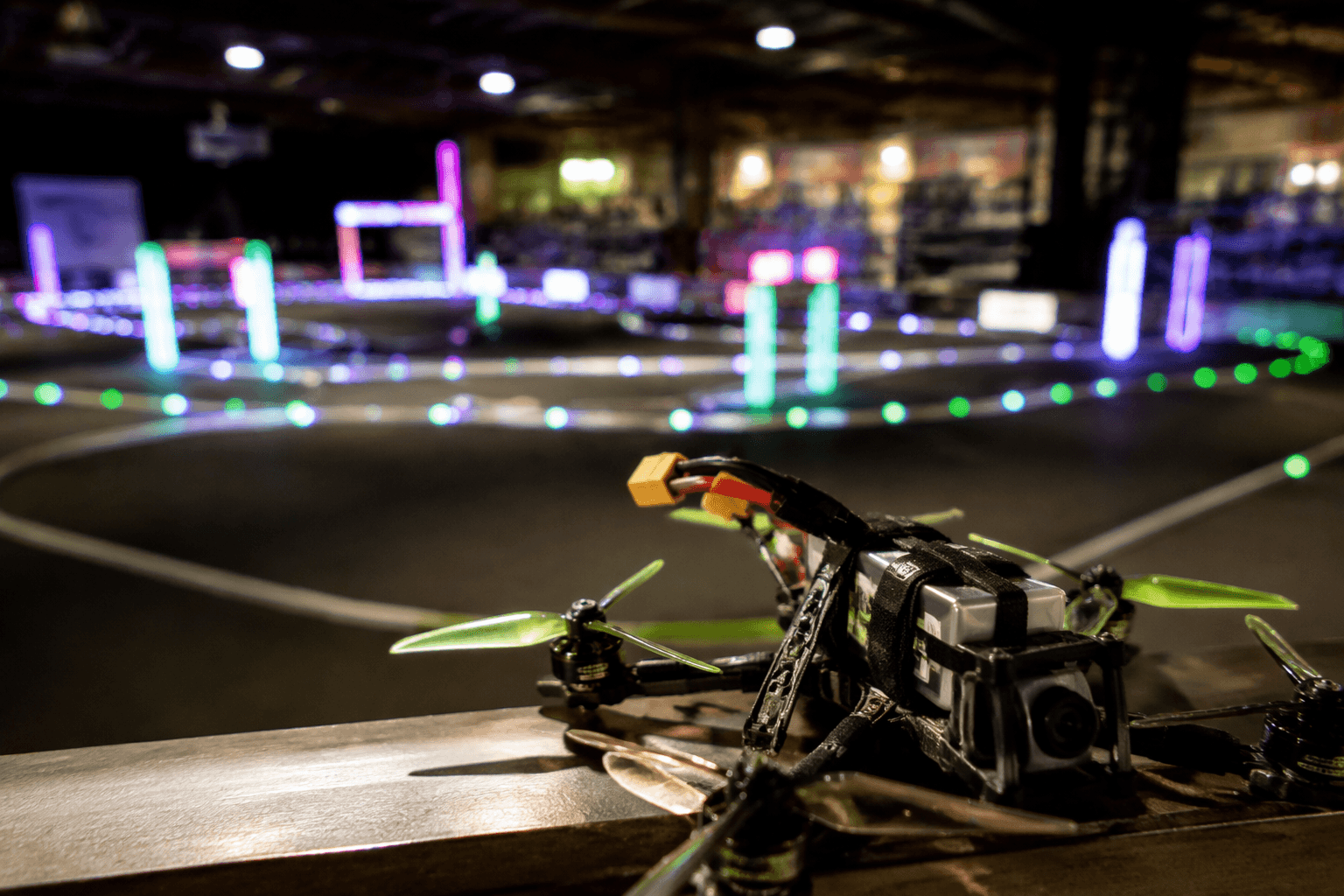
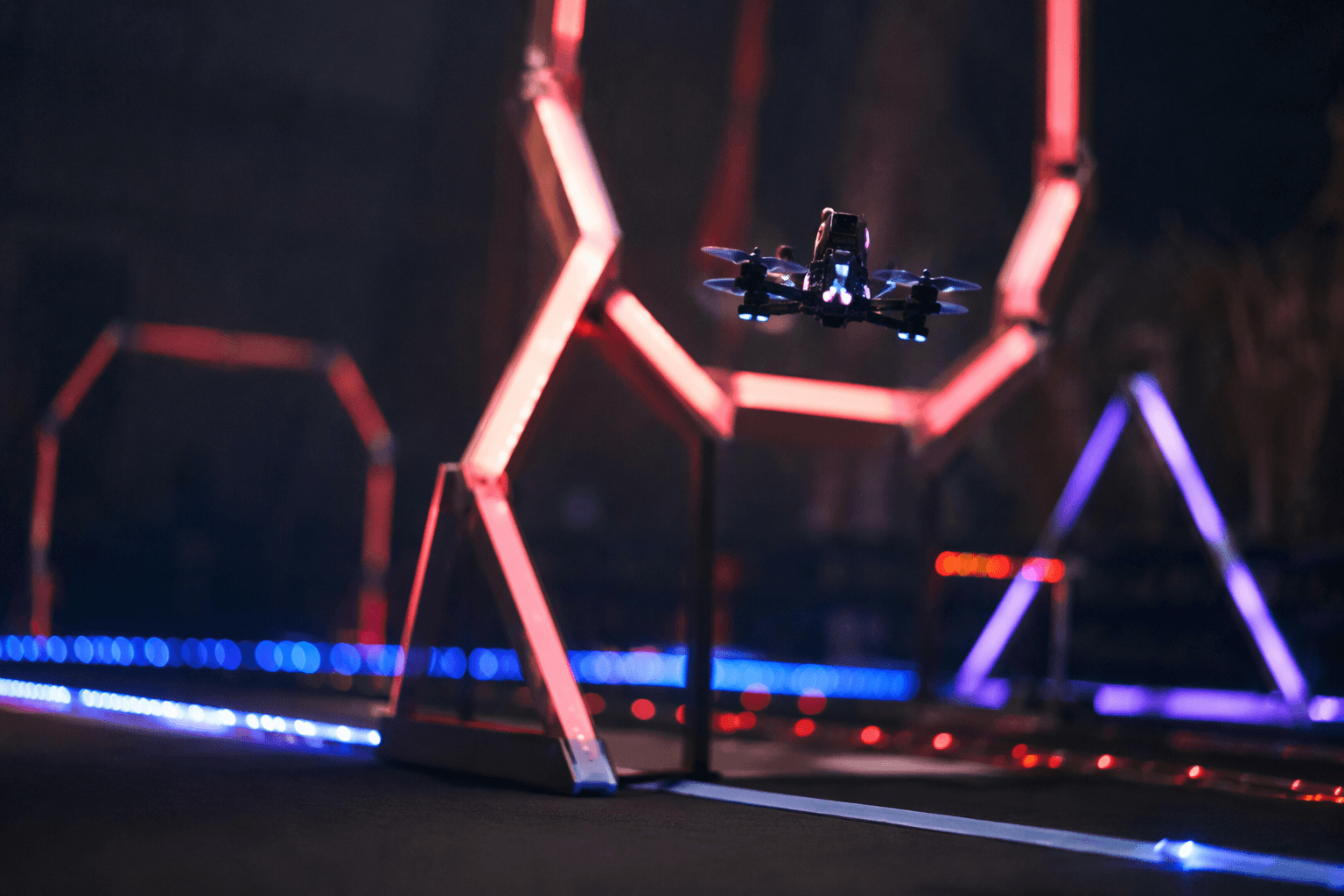
Drone racing hardware guide shows how to build faster, smarter quads
The fastest quads are built by matching motor, prop, battery and ESC to the track, not by chasing the biggest spec sheet.
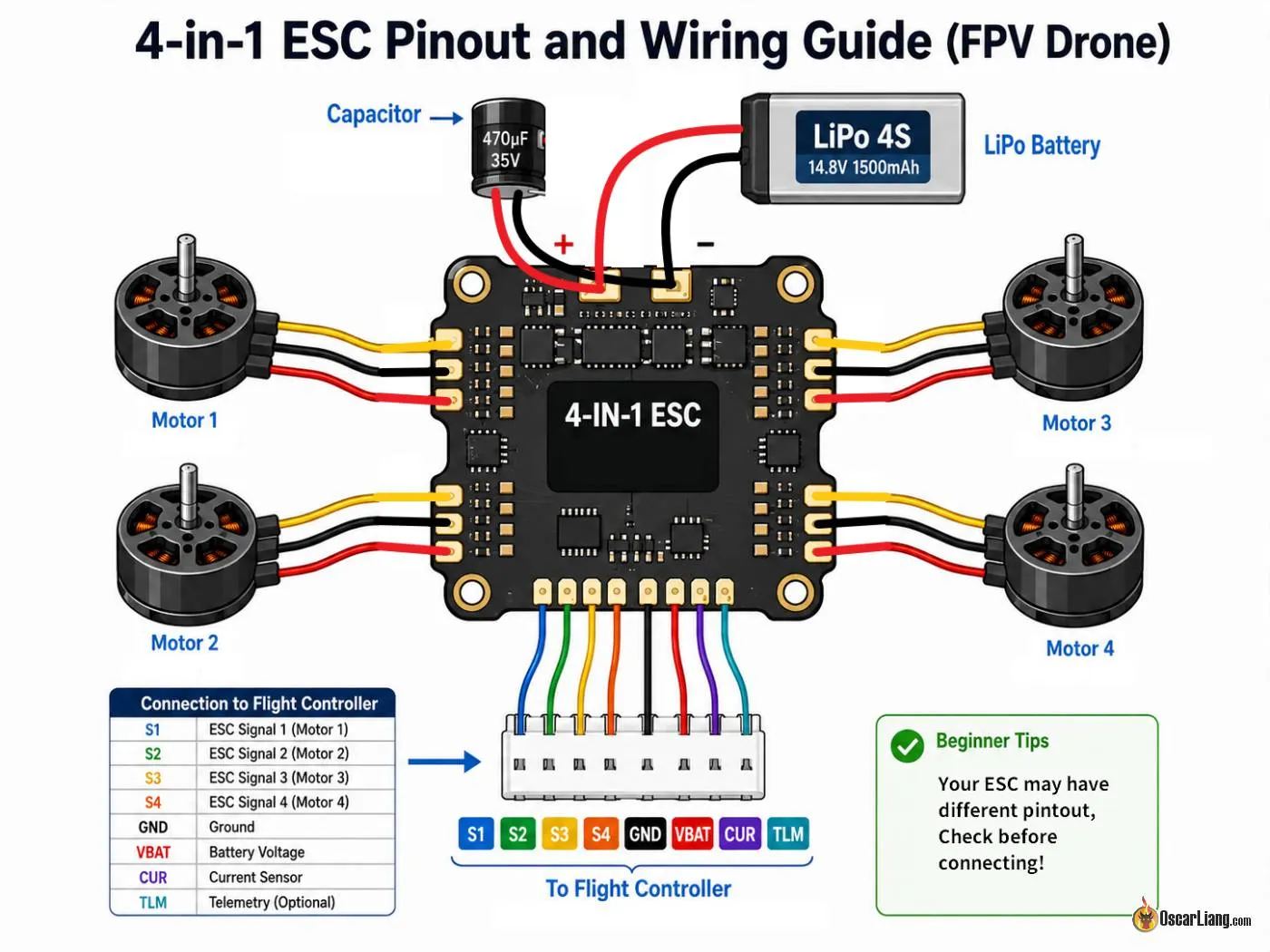
Oscar Liang’s lookup table for FPV race builds makes the point bluntly: motor size, KV, prop size, LiPo voltage or cell count and weight all have to line up or the drone turns sluggish, hot and inefficient before the final gate.
Build the quad like a race car, not a cart full of parts
The frame, motors, propellers, battery, ESCs and flight controller only work if they are matched as one package. In Oscar Liang’s motor guide, performance and efficiency depend on design features and build matching, not raw motor size; in his propeller guide, props are a critical component of FPV drone performance. A build that feels explosive for a few seconds can still be the wrong call if it overheats or drains the pack too quickly to stay sharp over multiple heats.
Where lap time actually moves
The real payoff comes from acceleration out of corners, stable drive through gates and consistency when the race gets messy. A lighter race build can get away with less motor torque, but a heavier setup needs more authority to recover from line corrections and tight turns. Propeller choice changes how hard the motors are loaded, battery choice changes how power arrives, and the ESC has to survive the current that comes with aggressive throttle punches.
The best setup is the one that gives the pilot the response needed at the exit of a turn without pushing the system past its efficient range. If the drone feels fast in one straight but falls apart when the pack sags or the motors heat up, the setup is costing time where races are actually decided.
Read the build sheet like a triage chart
Use the parts in context, not in isolation:
- Motor size and KV only make sense when they are paired with prop size and battery voltage or cell count.
- Total all-up weight changes how much motor authority you need to hold a line through a tight course.
- ESC selection should account for current handling and firmware or protocol compatibility.
- If a setup feels strong for one heat but fades under race pressure, the problem is usually balance, not bravery.
What elite racing shows when the cameras are on
Drone Racing League made that same idea public in 2016 when its first race of the season, Level 1: Miami Lights, premiered on February 22 at Sun Life Stadium in Miami. The league launched with worldwide distribution via ESPN, Sky and ProSiebenSat.1, plus content partnerships with MGM Television and Mark Burnett, and its championship coverage that year narrowed more than 30 FPV drone pilots down to 12 finalists.
Racers flew custom DRL Racer 3 drones through world-class 3D courses. In a bracketed race format, the drone has to leave the line cleanly, survive pressure in traffic and keep its pace when the pilot is pushing for position, not just chasing a clean lap in open air.
Speed is not one number
The sport has its headline velocity markers, and they matter, but only if you know how to read them. DRL’s Guinness World Records effort on July 13, 2017 reached 179.6 mph, and a DRL video posted on July 19, 2017 showed the league teaming up with Guinness World Records to break the record for fastest drone in the world. That is the straight-line number that grabs attention; it is not the whole race story.
A DRL video posted on October 10, 2017 highlighted a fastest lap in Miami by 32BitsOfGil of 00:53.5, a repeatable pace around turns, through gates and across an entire course.
This article was produced by Prism’s automated news system from verified source data, official records, and press releases, then run through automated quality and moderation checks before publishing. The system is built and supervised by the people who set the standards it runs under. Read our full AI policy.
Did this article answer your question?