Drone Racing Isn't Dead, It's Evolving Beyond Spectator Sport Roots
The racing drone market is on track to hit $2 billion in 2026, yet TV viewership has shrunk. The sport isn't fading — it's shifting power from broadcast booths to the pilots themselves.
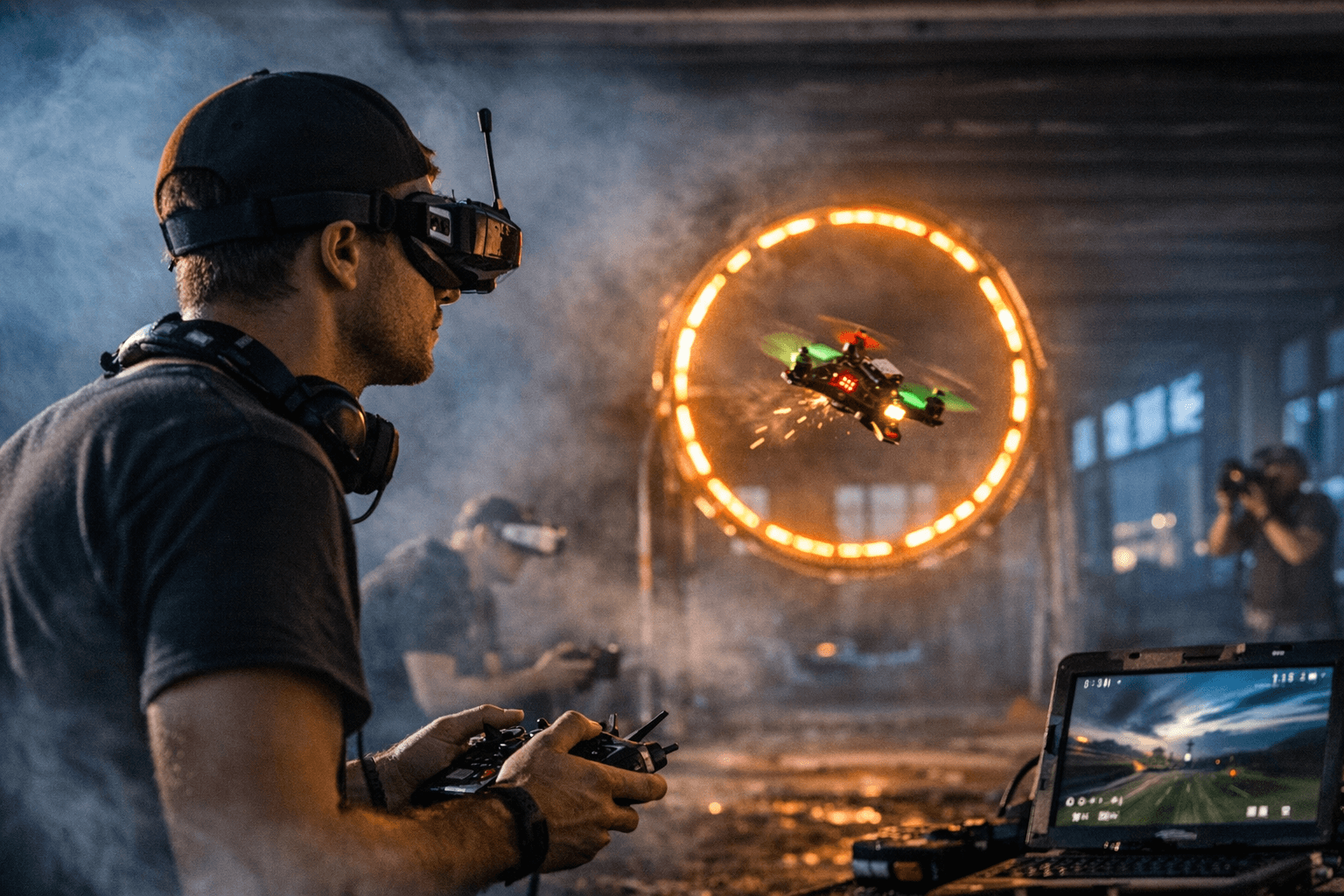
The question keeps surfacing in FPV forums and sports business circles: Is drone racing dead? The answer, grounded in market data, participation records, and a structural shift in how the sport operates, is a definitive no. What has died, or at least dramatically contracted, is a particular version of drone racing — the one built for passive TV audiences. What's replacing it is something more durable.
From Prime Time to Pit Lane
The Drone Racing League launched publicly in January 2016 with broadcast deals spanning NBC, ESPN, Sky Sports, and Disney XD. For a moment, it looked like drone racing would follow the arc of NASCAR or MotoGP, building a mass television audience around elite competition. That arc never fully materialized. When NBCSN shut down at the end of 2021, DRL's broadcast footprint contracted with it, shifting its remaining season to the NBC network. To outside observers, shrinking cable coverage read as a sport in decline. The reality was more complicated.
In April 2024, Infinite Reality acquired the Drone Racing League for $250 million, aiming to enhance fan engagement through immersive technology. That acquisition repositioned DRL not as a traditional sports media property chasing linear TV ratings, but as a platform inside a company built around spatial computing and digital experience. Infinite Reality describes itself as an innovation company powering the next generation of digital media, commerce, and community through AI, spatial computing, and other immersive technologies — with capabilities designed to craft inventive digital experiences that uplevel audience engagement. The broadcast era isn't ending; it's being replaced by something the original TV deals never could have accommodated.
The Market Doesn't Know It's Supposed to Be Dying
Whatever the perception problem, the underlying economics of drone racing tell a different story. The racing drones market is projected to expand from $1.72 billion in 2025 to $2.02 billion in 2026, representing a compound annual growth rate of 17.4%. Looking further ahead, the market is expected to reach $3.83 billion by 2030.
This surge is largely attributed to the increasing popularity of FPV drone racing leagues, which has driven demand for high-performance racing drones, lightweight frames, and powerful motors that enhance competitive maneuverability. Investment is flowing into the hardware layer, too. DJI announced the O4 Air Unit Series in January 2025, featuring technology designed for ultra-low latency FPV flight experiences. That kind of product commitment from the world's largest drone manufacturer signals where the commercial center of gravity actually sits.
The Grassroots Engine
The most important counter-narrative to the "drone racing is dead" thesis isn't found in a boardroom acquisition or a market forecast — it's found in the participation numbers at the ground level. MultiGP is the largest drone racing league and FPV community in the world, founded by pilots for pilots, and it boasts hundreds of chapters across the United States and internationally, with active locations in Australia, Asia, South Africa, Europe, and South America.
In 2025, MultiGP's Global Qualifier reached 1,113 pilots from 51 countries, making it one of the most diverse and competitive seasons in MultiGP and drone racing history, reflecting the sport's growing presence not just in traditional hotbeds like the U.S., Canada, Europe, and Australia, but also in emerging scenes across Eastern Europe and South America. One of the biggest stories of that season was the remarkable growth of the Asian racing scene, with China producing a wave of new talent through the addition of several new chapters.
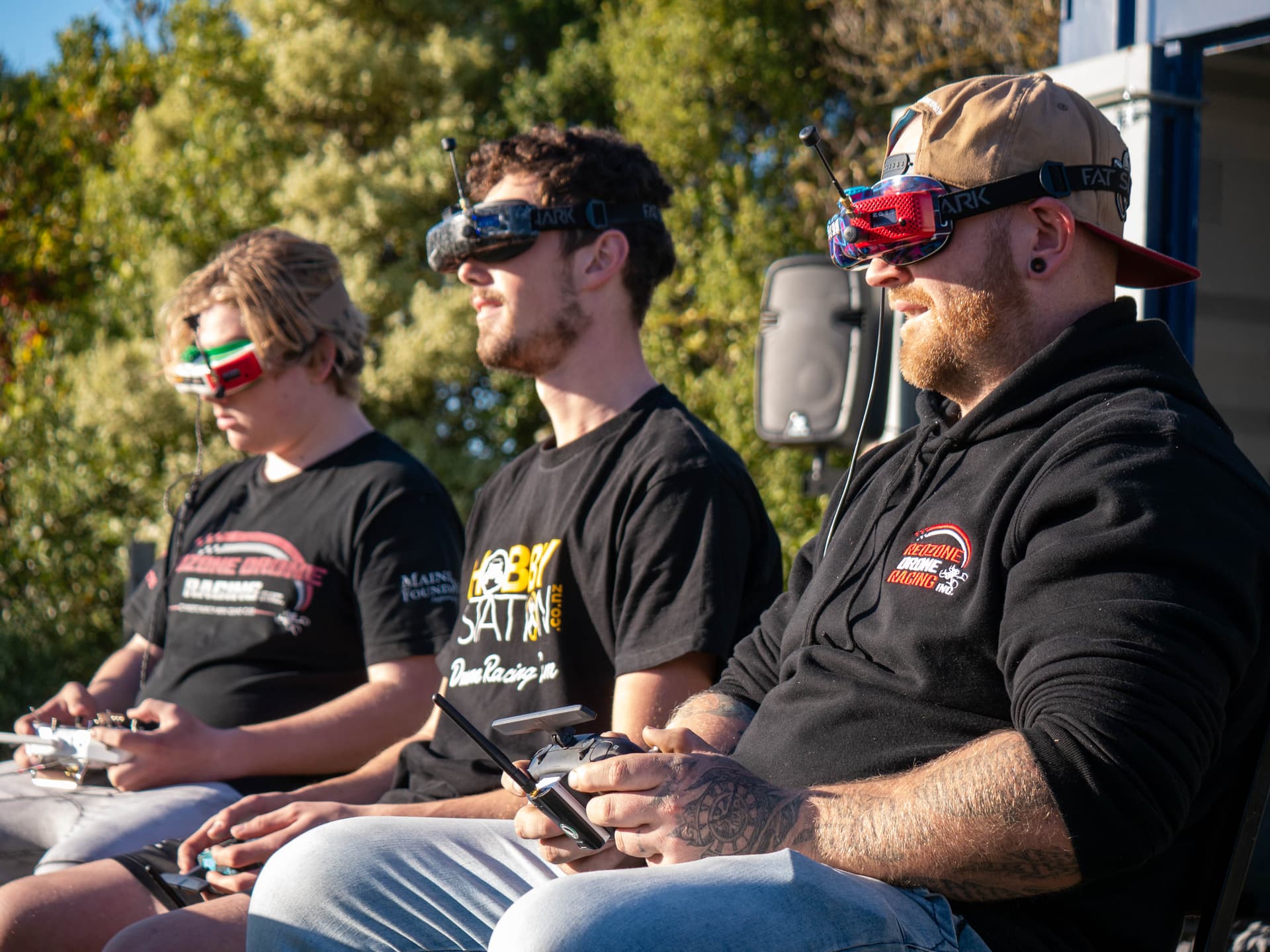
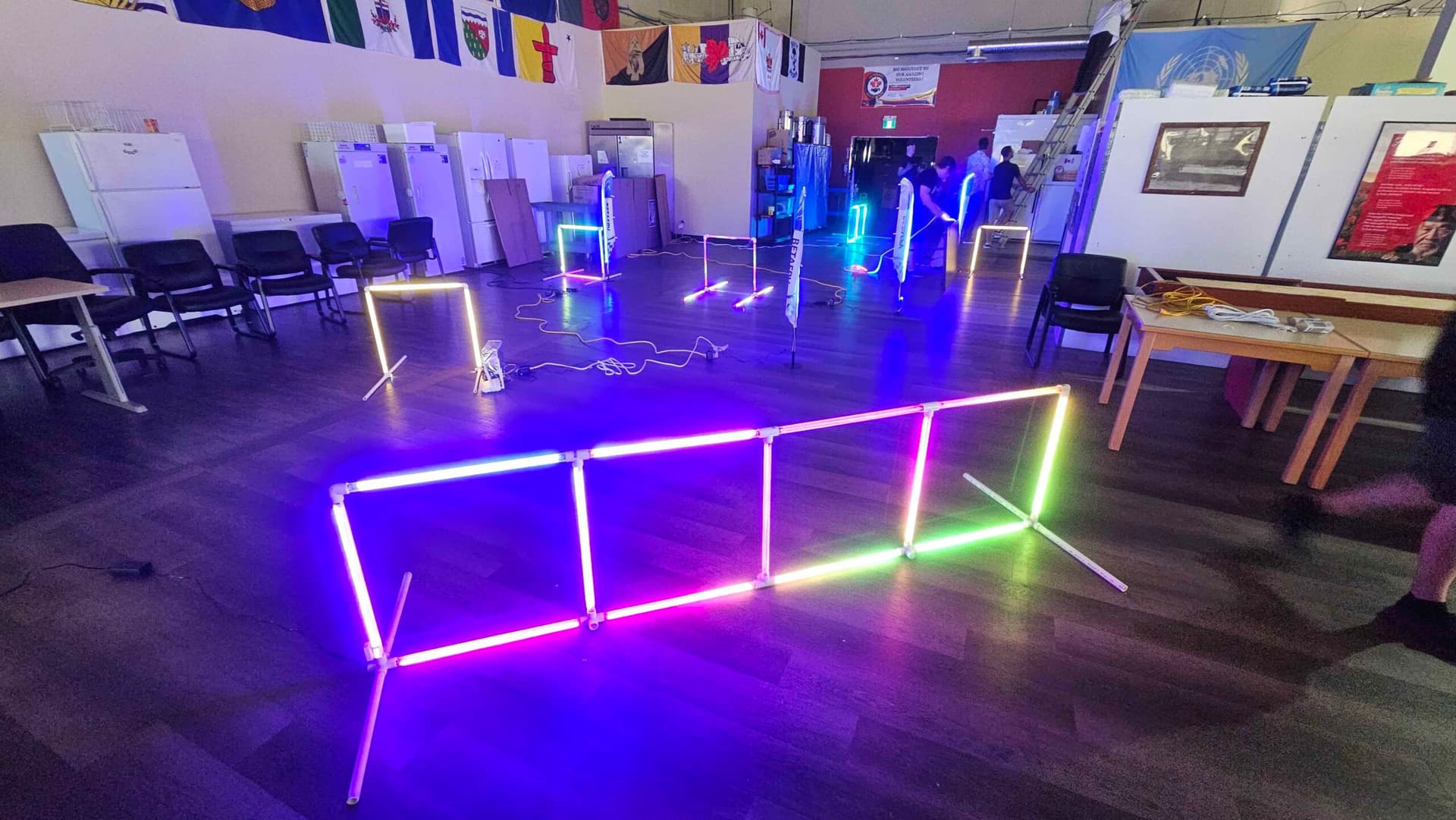
That's not a sport on life support. That's a sport that moved its energy from television studios to local tracks, from scheduled broadcast windows to weekly chapter races where pilots show up, compete, and go home faster than a traditional sports broadcast even gets through its pre-game show.
AI Enters the Gate
One of the most consequential developments in drone racing right now isn't happening at a consumer level at all. The Abu Dhabi Autonomous Racing League's second-ever A2RL Drone Championship, held at UMEX in January 2026, drew 14 teams from around the world to compete in a high-speed test of autonomous drone racing under deliberately restrictive conditions. All competing drones were equipped with only a single forward-facing RGB camera, an onboard IMU, and AI "drivers" — no LiDAR, no external compute, no human control — and the championship carried a total prize pool of $600,000.
The human-versus-AI format has produced some of the sport's most compelling narratives. In the 2026 final, human pilot Kim secured victory after the autonomous drone struck a gate and failed to recover — reversing the prior year's result, when AI had outperformed elite FPV pilots. That back-and-forth between human instinct and algorithmic precision is exactly the kind of storyline that transcends the sport's niche audience. As A2RL Race Director Shane Adams noted, the AI teams learn from human inputs while the human pilots learn from the AI's lines and maneuvers, absorbing what's physically possible from watching a drone hit a corner at full throttle.
The Spectator-to-Pilot Shift
The underlying dynamic that the "Is drone racing dead?" conversation keeps missing is the nature of the transition underway. Drone racing was never going to become the NFL. What it has become is something closer to cycling or competitive shooting: a sport where the participant base dwarfs the casual TV viewership, where the community is tightly bonded, and where the infrastructure for organized competition is quietly expanding.
The Collegiate Drone Racing Association now has college students competing worldwide online in a team-based format. The DRL's partnership with the U.S. Air Force explicitly seeks to find the next generation of technical talent and STEM prodigies through the fusion of sports entertainment and immersive technology. These are not the hallmarks of a dying sport. They are the hallmarks of one that has stopped trying to perform for cameras and started building something with longer legs.
The sport's best growth metric right now isn't a Nielsen rating. It's the fact that the 2025 Global Qualifier reached unprecedented scale with pilots from 51 countries — while most of the people asking whether drone racing is dead were watching something else entirely.
Know something we missed? Have a correction or additional information?
Submit a Tip