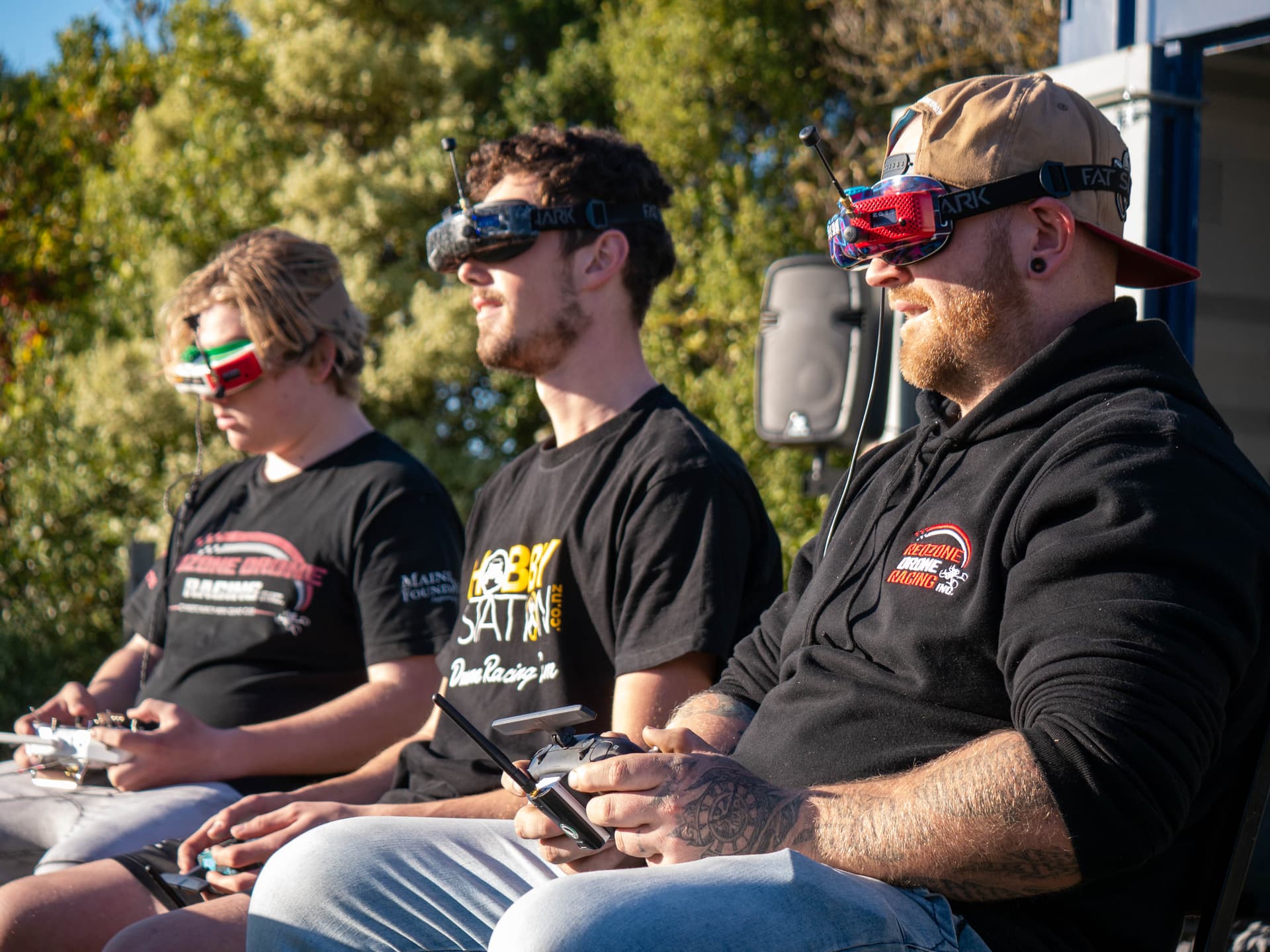
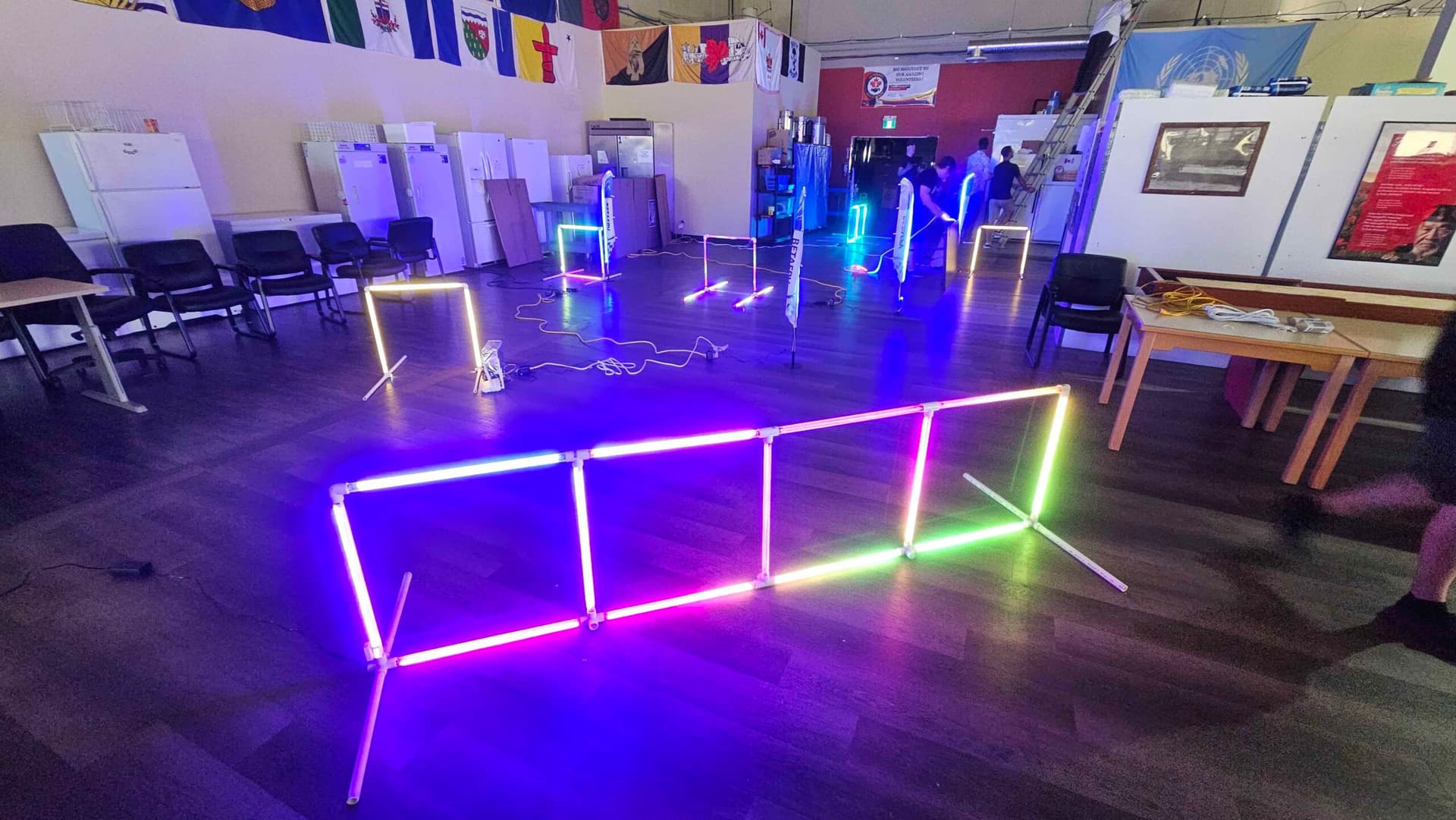
Drone Racing Roots Fuel PDW Denver Hiring Surge for Defense Systems
PDW posted Denver job openings for technical staff, signaling drone-racing engineering talent is shifting into defense-focused unmanned systems and boosting local hiring.
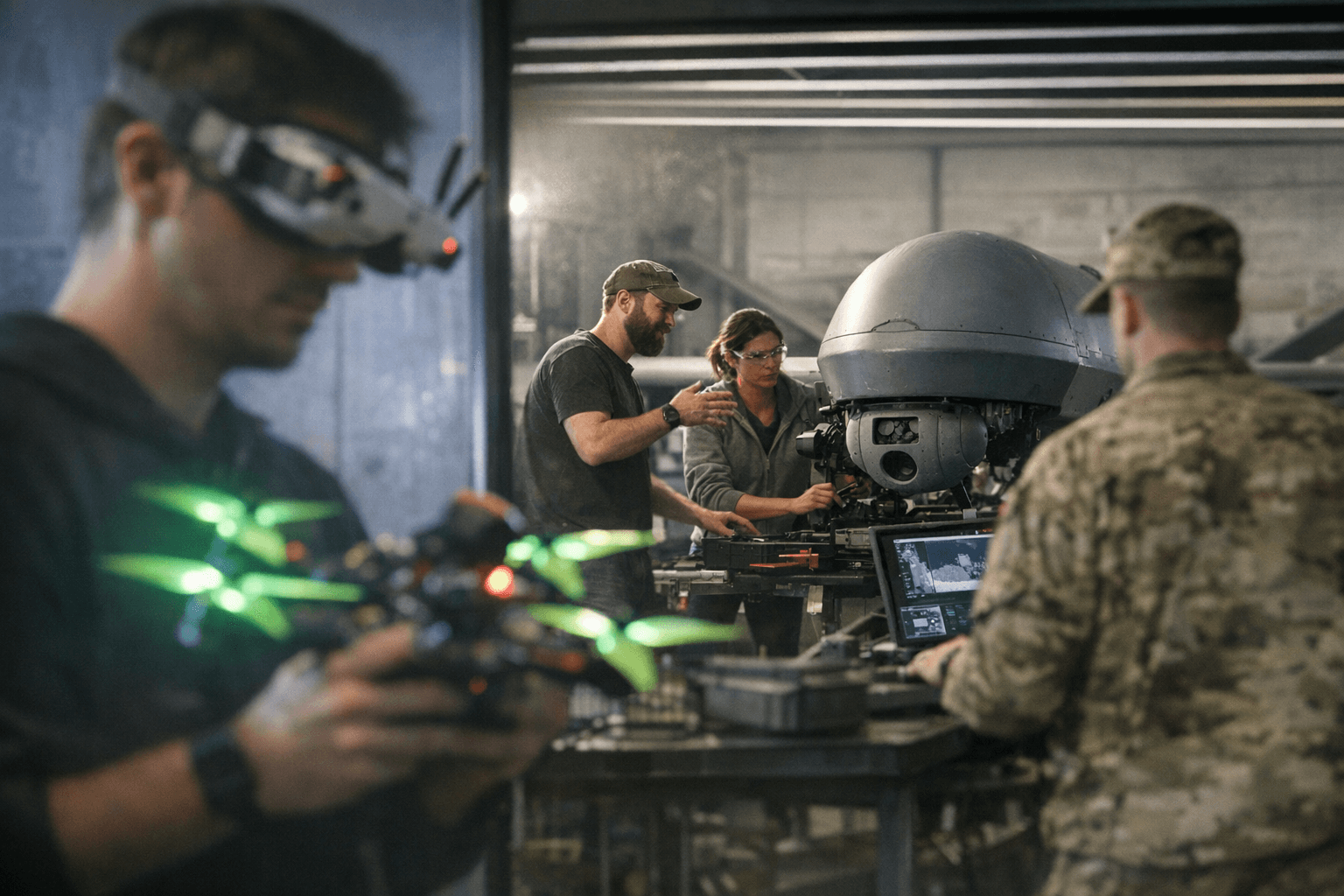
Performance Drone Works, the company that grew out of the Drone Racing League ecosystem, posted openings tied to a Denver location on January 22, 2026, marking a visible hiring surge as it scales product development and supply chain capability for mission-focused unmanned systems. The listing frames PDW’s deep roots in competitive drone racing as the engineering backbone behind operational platforms for defense and government customers.
The job posting called for technical staff to expand development capacity and to bolster supply chain operations, reflecting an operational pivot from prototype builds and race-ready quad frames to production-grade unmanned aerial systems. The shift is notable because it turns the quick-iteration, lap-time-driven R&D model common in FPV racing into disciplined, mission-driven engineering practices. That translation matters to pilots, builders, and team mechanics who have long measured success in gate counts and split-second tuning decisions; those same skills now feed testing regimens, redundant systems design, and field sustainment requirements.
PDW’s lineage in the Drone Racing League makes the announcement a bellwether for the industry pipeline. Drone racing has long functioned as a proving ground for electronics integration, flight-control tuning, and rapid prototyping. Now that expertise is being commercialized into customer-focused systems where reliability, supply chain resilience, and certification pathways replace the weekend hack-and-fly mentality. For the Denver market, the posting signals new technical jobs and potential partnerships between racing teams, local fabrication shops, and aerospace supply firms.
The business implications are clear. Companies evolving from sports ecosystems into defense contractors can command different revenue models, longer contract cycles, and higher barriers to entry. For PDW, the move toward mission-focused unmanned systems may open access to government procurement budgets and sustain more predictable R&D funding than sponsorship-driven racing circuits. That could also redraw the talent map: engineers who once chased competitive lap times may now be drawn to steady program work, pushing the FPV community to develop clearer career pathways.
Culturally, the transition sharpens the conversation about dual-use technology. The FPV community has always prized innovation and DIY ethos, but commercialization into defense prompts ethical and regulatory conversations about where racing talent applies its skills. At the same time, it creates visible career ladders for young builders and pilots, and expands local STEM hiring in Denver.
For fans and participants, the immediate takeaway is that the pilot-to-practitioner pipeline is real and growing. Expect to see more race-born tech mature into fieldable platforms, and watch how that changes sponsorships, team composition, and event ecosystems. For Denver, PDW’s listings mark the start of a conversion of racetrack know-how into long-term industrial capacity.
Know something we missed? Have a correction or additional information?
Submit a Tip